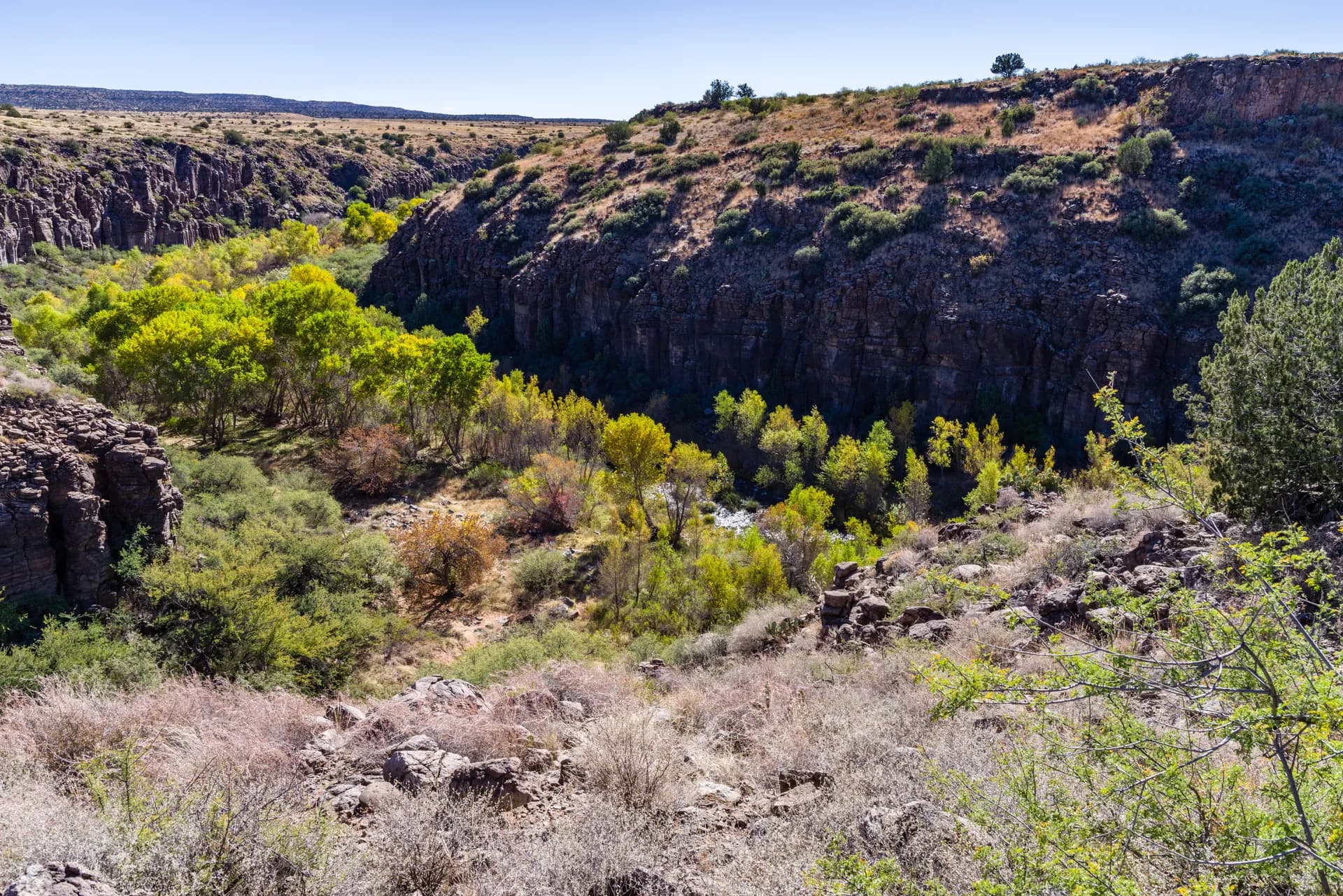
Coconino National Forest covers 1.856 million acres of northern Arizona, stretching from the red rock canyons around Sedona to the alpine summit of Humphreys Peak, the highest point in the state at 12,637 feet. It is one of the most geologically diverse national forests in the country. You can start your morning hiking through desert scrub and cactus at 3,500 feet, drive 45 minutes north, and end your day above treeline in an alpine tundra that looks more like Colorado than Arizona.
The forest was established in 1908 and surrounds two of northern Arizona's most visited towns: Sedona and Flagstaff. That positioning makes Coconino one of the busiest national forests in the Southwest, with over 4 million visitors per year. The crowds are real, especially in Sedona, but the forest is big enough that solitude is always available if you're willing to walk a little farther.
Why Coconino Stands Out
Most people know Coconino for one thing: Sedona's red rocks. And the red rocks deserve every bit of the attention. The formations around Sedona are sculpted from layers of Permian-era sandstone (roughly 270 to 300 million years old), and their color comes from iron oxide in the rock. Cathedral Rock, Bell Rock, Courthouse Butte, and the spires along Schnebly Hill Road are among the most photographed landscapes in the American West.
But Coconino is far more than Sedona. The San Francisco Peaks, a volcanic mountain range about 10 miles north of Flagstaff, contain Humphreys Peak (12,637 ft), Agassiz Peak (12,360 ft), and Fremont Peak (11,969 ft). These peaks support the only alpine tundra in Arizona, a fragile ecosystem above 11,400 feet where the growing season lasts barely two months. The Inner Basin of the peaks is a collapsed volcanic caldera filled with aspen groves that turn brilliant gold in late September and early October, drawing photographers from across the state.
Between Sedona and the peaks, the forest passes through four distinct life zones. Desert grasslands and juniper woodlands dominate below 6,000 feet. Ponderosa pine forests cover the middle elevations around Flagstaff (6,900 ft). Mixed conifer forests of Douglas fir, white fir, and aspen take over from 8,000 to 9,500 feet. Above treeline on the peaks, only hardy alpine plants survive. That kind of ecological range in a single national forest is unusual anywhere in the country.
The forest also holds significant archaeological sites. Palatki and Honanki cliff dwellings near Sedona date to the 1100s and 1200s and were built by the Southern Sinagua people. Wupatki and Walnut Canyon national monuments border the forest to the north and east, respectively. The human history here stretches back thousands of years.
Best Trails in Coconino National Forest
With over 500 miles of maintained trails, Coconino offers everything from flat, paved paths to grueling alpine ascents. Sedona alone has dozens of options, including Boynton Canyon, Bear Mountain, Wilson Mountain, and Vultee Arch. Here are four of the best.
West Fork Trail
West Fork of Oak Creek is the most popular trail in Coconino, and one of the most beautiful canyon hikes in Arizona. This 6.9-mile out-and-back follows Oak Creek through a narrow, shaded canyon lined with red and white cliffs, maples, and towering Douglas firs. The elevation gain is a gentle 340 feet. In fall (late October through early November), the canyon erupts with color as the maples, oaks, and sycamores turn. It's widely considered the best fall foliage hike in the state. The trail requires multiple creek crossings (13 in total), so expect wet feet or bring water shoes. No dogs allowed, as the trail enters the Red Rock-Secret Mountain Wilderness.
Cathedral Rock Trail
Short, steep, and unforgettable. Cathedral Rock is only 1.2 miles out-and-back, but it packs 740 feet of elevation gain into that distance, including sections of hands-on scrambling over slickrock. The trail climbs to the saddle between the rock's iconic spires, where the views across the Verde Valley are outstanding. This is a hike that rewards comfort with exposure. If steep, unprotected scrambles make you nervous, this one will challenge you. Go early (before 8 AM) to beat the crowds and the heat.
Humphreys Peak Trail
Arizona's rooftop. The Humphreys Peak Trail climbs 3,333 feet over 5 miles (10 miles round trip) from the Snowbowl ski area to the highest point in the state. The trail passes through dense spruce-fir forest, breaks above treeline around 11,400 feet, and traverses an exposed ridgeline to the summit. The views from the top span the Grand Canyon, the Painted Desert, Sedona's red rocks, and the Mogollon Rim. This is a full-day hike (6 to 10 hours) and should not be underestimated. The alpine section is exposed to weather, and afternoon thunderstorms are common from July through September. Start by 6 AM and plan to be below treeline by noon.
Bell Rock Pathway
The easiest way to experience Sedona's red rocks on foot. Bell Rock Pathway runs 3.6 miles out-and-back along a mostly flat, well-maintained trail with only 200 feet of elevation gain. The path passes directly beneath Bell Rock and Courthouse Butte, two of Sedona's most iconic formations. It's ideal for families, casual walkers, and anyone who wants big scenery without a big physical commitment. The trailhead has good parking and restroom facilities. Dogs are welcome on leash.
Permits and Passes
Coconino's permit system is straightforward compared to some national forests, but the Red Rock Pass catches people off guard if they don't know about it.
Red Rock Pass: Required at most trailheads and day-use areas in the Sedona area (the Red Rock Ranger District). This includes West Fork, Cathedral Rock, Bell Rock, and dozens of other popular trailheads. The pass costs $5 per day or $15 per week. You can also buy an annual Red Rock Pass for $20. The America the Beautiful Interagency Pass ($80/year) is accepted in place of the Red Rock Pass. Buy passes at the Red Rock Ranger District Visitor Center in the Village of Oak Creek, at self-service kiosks at trailheads, or at many businesses in Sedona.
Humphreys Peak: No paid permit is required. No wilderness permit is needed for day hikes. Overnight camping above treeline is prohibited to protect the fragile alpine tundra, which is sacred to several Native American tribes (including the Hopi and Navajo).
Campfire Restrictions: Northern Arizona's fire season is serious. The forest regularly implements Stage 1 or Stage 2 fire restrictions from May through September, which can prohibit campfires, smoking, and even the use of camp stoves in some areas. Check the Coconino National Forest website or the Flagstaff Ranger District before your trip. Violating fire restrictions carries fines up to $5,000.
Palatki and Honanki Heritage Sites: Free to visit, but Palatki requires a reservation through Recreation.gov. Honanki does not require a reservation but has limited parking.
Camping
Coconino's campgrounds span from the red rock country around Sedona to the ponderosa forests near Flagstaff and the foothills of the peaks.
Manzanita Campground sits on the banks of Oak Creek in upper Oak Creek Canyon, about 6 miles north of Sedona on Highway 89A. It has 19 sites shaded by old-growth ponderosa pines and is one of the most pleasant campgrounds in the forest. Sites are $24 per night and reservable through Recreation.gov. The campground is close to the West Fork trailhead (about 2 miles farther up the canyon) and provides good access to Slide Rock State Park.
Pine Flat Campground is the largest campground in Oak Creek Canyon with 58 sites at $24 per night. It sits along Oak Creek at about 5,400 feet elevation and runs from March through November. Reservations are available through Recreation.gov. The campground is a good base for hiking both the West Fork and the trails on the east rim of the canyon.
Lockett Meadow Campground is a hidden gem at 8,600 feet on the northeast side of the San Francisco Peaks. The 17 first-come-first-served sites ($12/night) sit at the edge of a meadow surrounded by aspens. In late September and early October, the aspens here put on one of the most concentrated fall color displays in Arizona. The access road (Forest Road 552) is rough, unpaved, and not recommended for low-clearance vehicles. No reservations, no potable water.
Bonito Campground is located next to Sunset Crater Volcano National Monument, about 15 miles north of Flagstaff on Highway 89. It has 44 sites at $26 per night, open May through October. The campground provides a convenient base for visiting Sunset Crater, Wupatki National Monument, and the San Francisco Peaks. Sites are reservable through Recreation.gov.
For dispersed camping, opportunities are plentiful in the Flagstaff Ranger District along forest roads off Highway 180, Lake Mary Road, and the roads around Mormon Lake. Dispersed camping is free but requires a 14-day limit, no campfires during restrictions, and camping at least a quarter mile from developed recreation sites. Dispersed camping in the Sedona area is extremely limited and heavily patrolled; stick to established campgrounds there.
When to Visit
Coconino's elevation range (3,500 to 12,637 feet) means conditions vary dramatically depending on where you're heading.
March through May: Spring is ideal for Sedona hiking. Daytime temperatures range from the 60s to the 80s, the crowds haven't peaked yet, and the creek crossings on West Fork are manageable (though chilly). Wildflowers bloom in the desert sections. The San Francisco Peaks are still buried in snow, and Humphreys Peak is inaccessible until late May or June.
June through August: Summer brings heat to the lower elevations. Sedona regularly hits the upper 90s and low 100s in June and July, which makes midday hiking unpleasant and potentially dangerous. The smart move is to shift your hiking to higher elevations during summer. Flagstaff (6,900 ft) stays in the 70s and 80s, and the trails on the San Francisco Peaks are at their best from July onward. The monsoon season begins in early July, bringing afternoon thunderstorms that can develop quickly and produce dangerous lightning, particularly above treeline on Humphreys Peak.
September and October: The best two months in Coconino. Sedona cools into the 80s and then the 70s. The monsoon storms taper off. The San Francisco Peaks are still accessible, and the aspens turn gold in late September (the Inner Basin is legendary for fall color). October brings the peak of fall foliage to Oak Creek Canyon and the West Fork Trail. Crowds are moderate in September and surge again briefly in October for leaf-peeping season.
November through February: Winter is quiet and beautiful at all elevations. Sedona stays mild (daytime highs in the 50s and 60s), and the red rocks look especially striking dusted with occasional snow. Flagstaff gets serious winter weather, with average snowfall exceeding 100 inches per year. The Snowbowl ski area on the San Francisco Peaks operates from December through April. Higher-elevation trails are snow-covered and require snowshoes or microspikes.
Getting There
From Phoenix: Take I-17 North to Highway 179 for Sedona (about 115 miles, 2 hours), or continue on I-17 to Flagstaff (145 miles, 2 hours). This is the most common approach and the road is well-maintained interstate the entire way.
From Flagstaff: You're already in the forest. Sedona is 28 miles south via Highway 89A through Oak Creek Canyon (a spectacular drive that takes about 45 minutes) or 40 miles via I-17 and Highway 179 (faster at about 50 minutes, but less scenic). The San Francisco Peaks trailheads are 15 to 20 minutes north of downtown Flagstaff via Highway 180.
From the Grand Canyon (South Rim): Flagstaff is about 80 miles south (1.5 hours) via Highway 180 or Highway 89. Many visitors combine a Grand Canyon trip with time in Coconino.
Airports: Flagstaff Pulliam Airport (FLG) has limited commercial service, primarily through American Airlines from Phoenix and Dallas. Phoenix Sky Harbor International Airport (PHX) is the nearest major hub. Rental cars are available at both airports, and a car is essential for exploring the forest.
Practical Tips
Water: Carry more than you think you need, especially at lower elevations. Sedona's desert air is deceptively dry, and dehydration is the most common medical issue on area trails. Plan on at least 1 liter per hour of hiking in summer. At higher elevations, the thin air increases your breathing rate and fluid loss.
Altitude: If you're coming from sea level (or Phoenix at 1,100 feet), the jump to Flagstaff at 6,900 feet is noticeable. Humphreys Peak at 12,637 feet can cause altitude sickness in unacclimatized hikers. Symptoms include headache, nausea, and fatigue. If you're planning to hike Humphreys, spend at least one night at Flagstaff elevation before attempting the summit.
Creek crossings: The West Fork Trail has 13 creek crossings in 3.5 miles. In spring and after heavy rain, these can be knee-deep. Water shoes or sandals with good traction are worth the weight. In fall, the water level is usually lower (ankle to mid-calf).
Rattlesnakes: Western diamondback and Arizona black rattlesnakes are present at lower elevations, particularly around Sedona and the Verde Valley. They're most active from April through October. Stay on trail, watch where you place your hands when scrambling (Cathedral Rock, especially), and give any snake you encounter a wide berth.
Parking in Sedona: The most popular trailheads (Cathedral Rock, Bell Rock, West Fork) fill early, especially on weekends and during October leaf season. Arrive before 8 AM or consider using the Sedona shuttle system, which runs to some trailheads during peak season.
Leave No Trace: Coconino's red rock landscape is fragile. Cryptobiotic soil crusts (the dark, bumpy patches on the desert floor) take decades to develop and are destroyed by a single footstep. Stay on established trails and rock surfaces. The red rock formations are sandstone and erode easily. Do not carve, paint, or stack rocks on the formations.
Coconino National Forest is one of the few places in the country where you can experience genuine desert, deep canyon forests, ponderosa woodlands, and alpine tundra in a single day. It's Arizona at its most varied and most beautiful. Whether you're scrambling up Cathedral Rock at sunrise, wading through the West Fork in October, or standing on the windy summit of Humphreys Peak looking out at the Grand Canyon, Coconino rewards the effort. Just plan your permits, bring enough water, and start early.