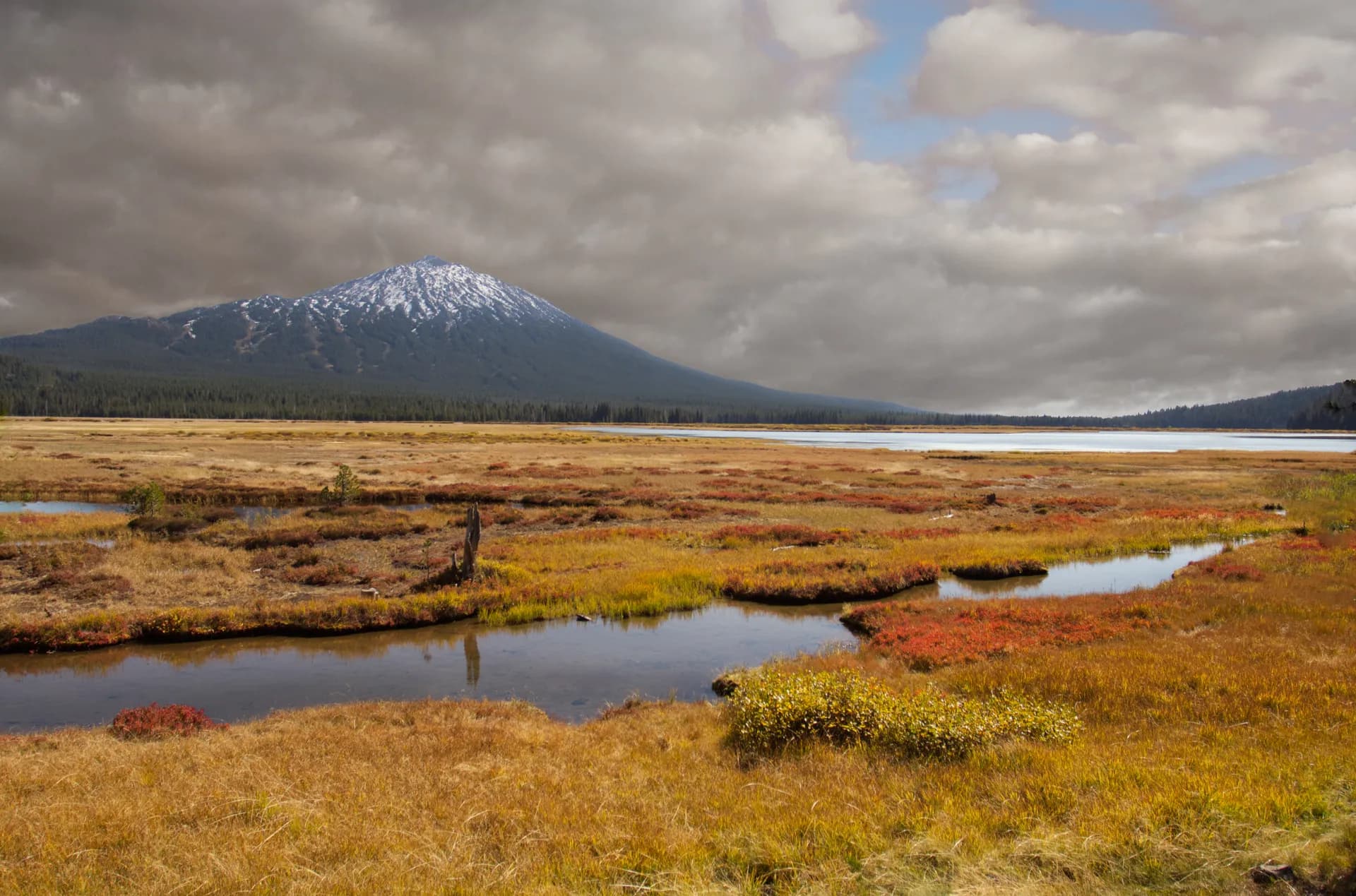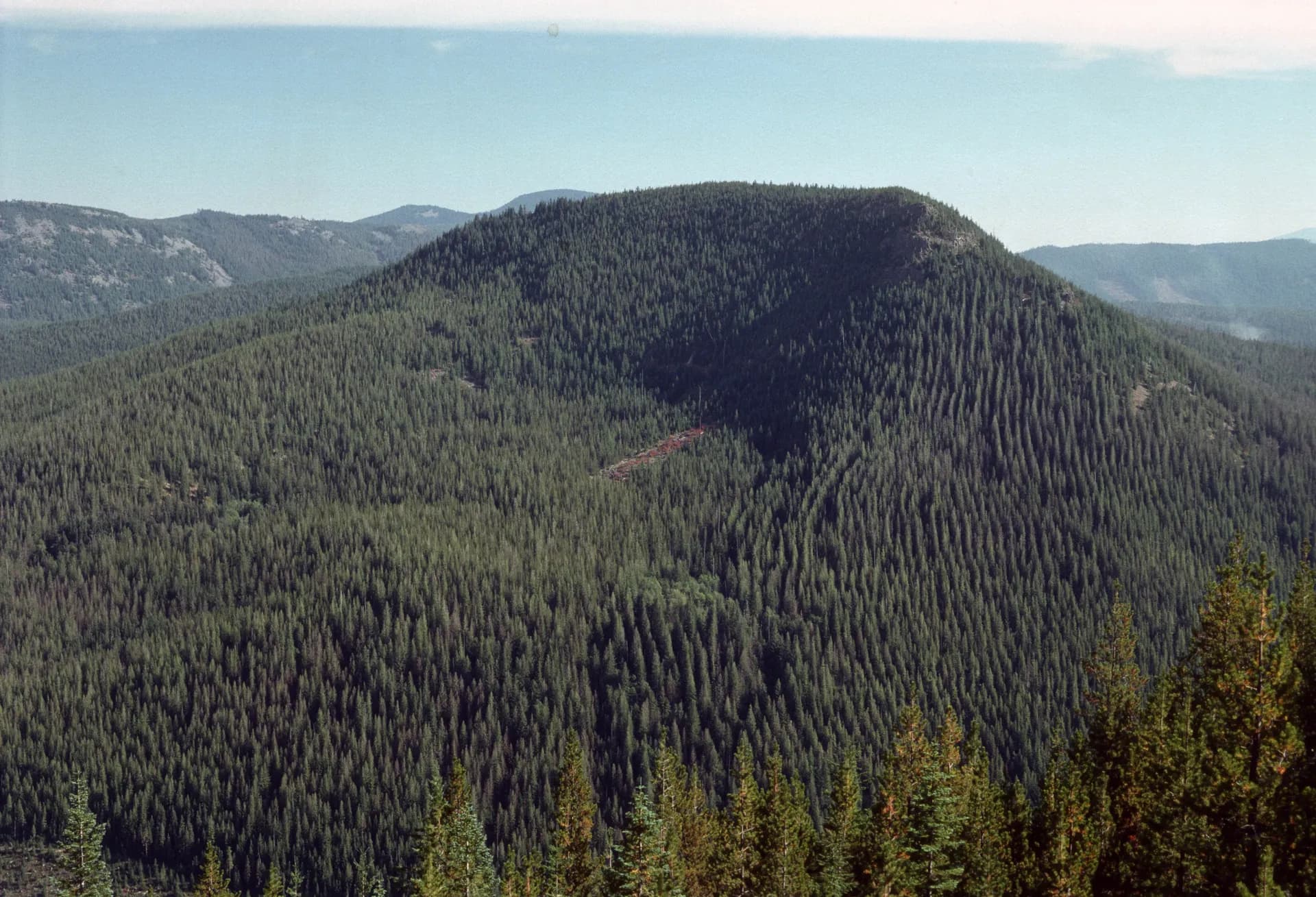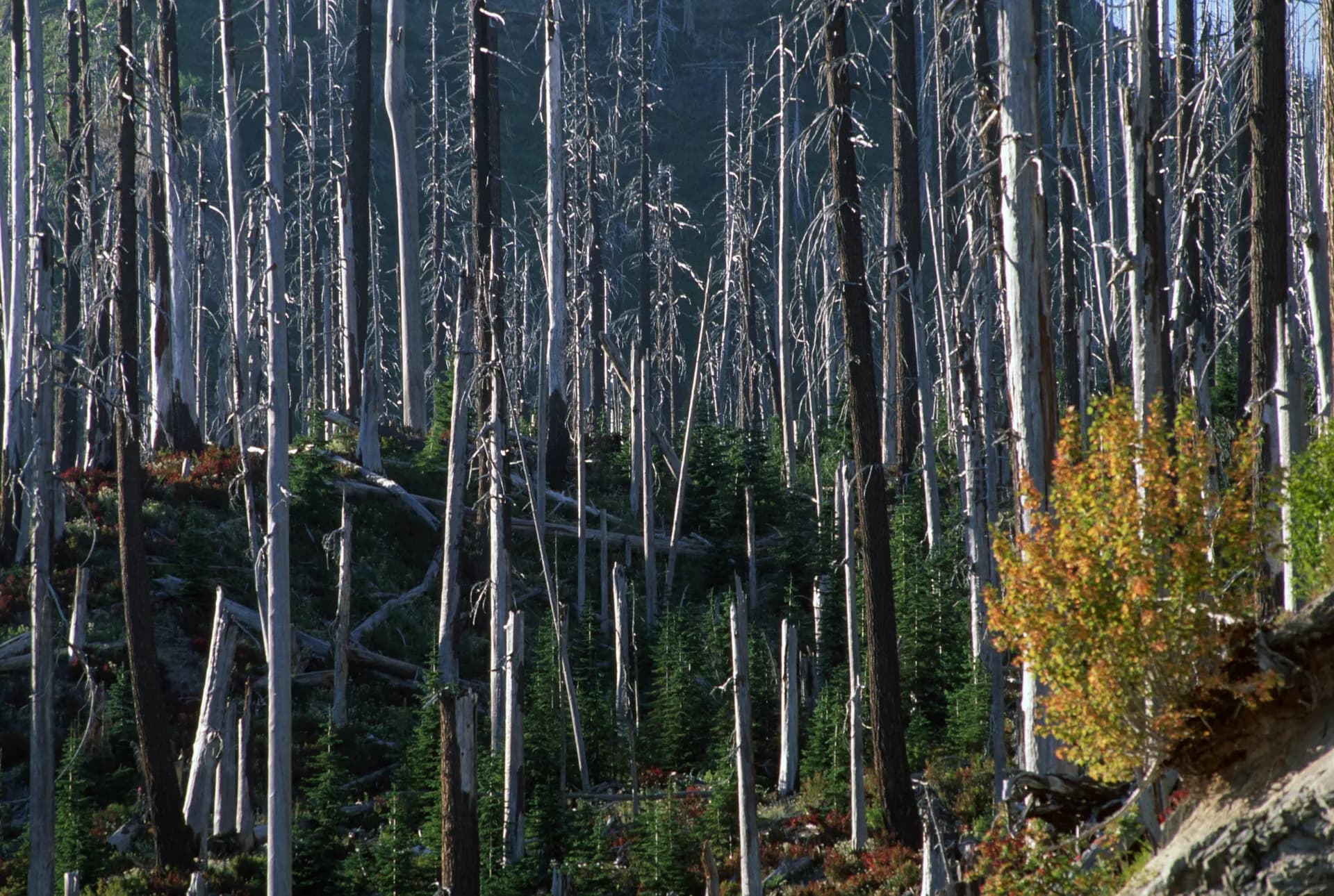
Gifford Pinchot National Forest covers 1.3 million acres of southern Washington, stretching from Mount Rainier's southern flanks to the Columbia River Gorge. Named after the first chief of the U.S. Forest Service, this forest holds one of the most dramatic geological stories in North America: the 1980 eruption of Mount St. Helens, which reshaped over 230 square miles of landscape in a single morning.
That eruption is what most people know about this place. What they don't know is that Gifford Pinchot holds some of the finest waterfall hikes in the Pacific Northwest, old-growth groves that rival anything in Oregon, and volcanic landscapes you won't find anywhere else in the lower 48.
Why Gifford Pinchot Deserves Your Attention
While hikers crowd into the Columbia River Gorge or drive three hours to Mount Rainier, Gifford Pinchot sits between both areas with a fraction of the traffic. Portland is 60 miles south. Seattle is about 150 miles north. Yet on most summer weekends, you can still find solitude here.
The numbers tell the story: 980 miles of trails, seven wilderness areas, over 150 alpine lakes in the Indian Heaven Wilderness alone, and a waterfall density along the Lewis River that rivals the Gorge's best. The forest also contains Ape Cave, a 2.5-mile lava tube (the longest in the continental United States) that you can walk through year-round.
The Landscape
Gifford Pinchot's terrain divides into distinct zones, each worth exploring.
Mount St. Helens National Volcanic Monument
The 110,000-acre monument sits in the forest's northwest corner. The 1980 eruption blasted 1,300 feet off the summit and created a horseshoe-shaped crater you can peer into from the Johnston Ridge Observatory, about 5 miles from the crater rim. The blast zone is still recovering, and the contrast between devastation and regrowth is striking, even 46 years later. Norway Pass offers one of the best viewpoints into the blast zone from the east side.
The Loowit Trail circles the entire mountain in a 28-mile loop at roughly 4,800 feet elevation. It's one of the most unique multi-day hikes in the Pacific Northwest, crossing boulder fields, lahar channels, and pumice plains that look more like the surface of Mars than Washington State.
Climbing permits are required from April 1 through October 31 ($15 per person through recreation.gov), and they sell out fast. The route gains about 4,500 feet from the Climbers Bivouac trailhead to the 8,365-foot summit rim.
Lewis River Corridor
The Lewis River cuts through the forest's southern section, dropping over three major waterfalls in a 9-mile stretch. Lower Falls (43 feet), Middle Falls (31 feet), and Upper Falls (60 feet) are all connected by a well-maintained trail through old-growth Douglas fir and western red cedar. This is arguably the best waterfall hike in Washington State.
The Lower Falls area is also a popular summer swimming spot. The pool below the falls is deep and cold (expect mid-50s even in August), but on a hot day, it's hard to beat.
Indian Heaven Wilderness
This 20,650-acre wilderness in the forest's southeast section is a high plateau dotted with over 150 small lakes, meadows, and huckleberry fields. The Pacific Crest Trail runs through it for about 15 miles. In late August and September, the huckleberry picking here is legendary. The Yakama Nation has harvested berries in these meadows for thousands of years.
The terrain is gentle compared to other Cascades wilderness areas, with most trails between 4,000 and 5,900 feet. This makes it a good choice for newer backpackers or families looking for an overnight trip.
Trapper Creek Wilderness and the Southern Gorge
Near the Columbia River, the forest drops to lower elevations and stays green later into fall. Trapper Creek Wilderness offers 6,050 acres of dense forest and creek-side hiking. Falls Creek Falls, a 335-foot three-tiered waterfall reached by a short 3.4-mile round-trip hike, is one of the most photogenic spots in the entire forest.
Best Trails
Gifford Pinchot's trail system ranges from easy waterfall walks to serious volcanic scrambles. Here are the standouts.
Lewis River Falls Trail (9 miles, moderate): Three waterfalls, old-growth forest, and swimming holes. The best single-day hike in the forest. Start at Lower Falls and work upstream.
Falls Creek Falls (3.4 miles, easy to moderate): Short hike through old-growth to a 335-foot waterfall with a suspension bridge crossing. A great option for families or when you want a rewarding hike without committing to a full day.
Lava Canyon (6.5 miles, moderate to hard): A volcanic gorge carved by the 1980 eruption's mudflows, with a suspension bridge, exposed scramble sections, and a 100-foot waterfall. Not for those uneasy with heights or exposure.
Ape Cave (2.5 miles, easy to moderate): Walk through the longest lava tube in the continental U.S. The lower cave is an easy, flat walk (bring two light sources per person). The upper cave involves scrambling over rock piles and is more challenging. Temperature inside stays around 42 degrees F year-round.
Loowit Trail (28 miles, strenuous): The full loop around Mount St. Helens. Most hikers take 2 to 3 days. Requires routefinding skills in the boulder fields on the north side. Carry extra water because sources are unreliable on the east flank.
Campgrounds
The forest operates over 30 campgrounds, with most open from late May through September. Here are the best options.
Lower Falls Campground (43 sites, $22/night): Reservable through recreation.gov. Right on the Lewis River with direct trail access to the waterfalls. This is the most popular campground in the forest, so book early for summer weekends.
Beaver Bay Campground (63 sites, $24/night): On Swift Reservoir, the largest of three reservoirs in the forest. Good for combining hiking with lake recreation. Boat launch nearby.
Takhlakh Lake Campground (54 sites, $20/night): The view from this campground is one of the best in the Pacific Northwest. Mount Adams (12,281 feet) reflects in the lake on calm mornings. The drive in on Forest Road 23 is long and sometimes rough, but worth every mile.
Morrison Creek Campground (12 sites, free): A small, primitive campground on the south side of Mount St. Helens near the Climbers Bivouac trailhead. No water, no reservations. Good staging area for a summit attempt.
Permits and Fees
Most developed trailheads require a Northwest Forest Pass ($5/day or $30/year). If you hike frequently in Washington or Oregon national forests, the annual pass pays for itself quickly. The America the Beautiful Pass ($80/year) also covers these trailheads.
Climbing Mount St. Helens requires a separate climbing permit ($15/person) from April 1 through October 31. Permits are available through recreation.gov and often sell out weeks in advance for summer weekends. Winter climbs (November through March) are free and don't require a permit, but conditions are serious.
No wilderness permits are required for any of the forest's seven wilderness areas, though group sizes are limited to 12 people.
Getting There
From Portland, Oregon, take I-5 north to Woodland (exit 21) and follow SR-503 east, which becomes Forest Road 90 along the Lewis River. This southern approach gives you access to the Lewis River corridor, Ape Cave, and the south side of Mount St. Helens.
From the north, take US-12 east from I-5 at Chehalis to reach the Randle and Packwood areas, which provide access to the Cispus River valley, Takhlakh Lake, the Goat Ridge Trail, and the east side of Mount St. Helens.
Be aware that many forest roads are gravel, and some require high clearance. Forest Road 25 (the main north-south route through the forest) is paved and well-maintained. Forest Road 99, which leads to the Johnston Ridge Observatory, is paved but closes in winter (typically November through May, depending on snowfall).
Cell service is spotty to nonexistent throughout most of the forest. Download your maps before you leave the highway.
When to Visit
June through October is the primary hiking season. Snow lingers at higher elevations through June in most years, and trails above 4,000 feet may not be fully clear until early July.
Late August and September is the sweet spot. Snow is gone, wildfire smoke is often (though not always) manageable, huckleberries are ripe in Indian Heaven, and summer crowds thin out after Labor Day.
Spring (April and May) is waterfall season. The Lewis River corridor and Falls Creek Falls are at peak flow from snowmelt and spring rain. Higher elevation trails will still have snow, but the lower waterfall hikes are accessible and dramatic.
Winter brings heavy snow above 3,000 feet. Ape Cave remains open year-round and makes a good winter outing (dress warm, it's 42 degrees F inside). Snowshoeing and cross-country skiing are popular along the southern approaches.
Planning Tips
-
Gas up before you leave the highway. There are no gas stations within the forest. Randle and Cougar are the last fuel stops.
-
Pack layers even in summer. Temperatures in the forest can swing 30 degrees between sun and shade, and weather changes fast on the volcanic flanks.
-
Bring a paper map. The Gifford Pinchot National Forest visitor map from the Forest Service ($15) is worth having. Forest road intersections can be confusing, and GPS doesn't always help when you have no signal.
-
Check road conditions before you go. Call the Mount St. Helens Volcanic Monument office (360-449-7800) or the Cowlitz Valley Ranger District (360-497-1100) for current road and trail status, especially early in the season.
-
Don't skip the east side. Most visitors stick to the well-known Lewis River and Mount St. Helens areas. The east side of the forest (around Trout Lake, Sleeping Beauty, and the Sawtooth Huckleberry Fields) sees far fewer visitors and rewards those willing to drive a bit farther.
Gifford Pinchot sits in the shadow of flashier neighbors, which is exactly what makes it worth your time. Fewer crowds, genuine volcanic drama, world-class waterfalls, and the kind of old-growth forest that reminds you what the Pacific Northwest looked like before the timber industry changed everything.