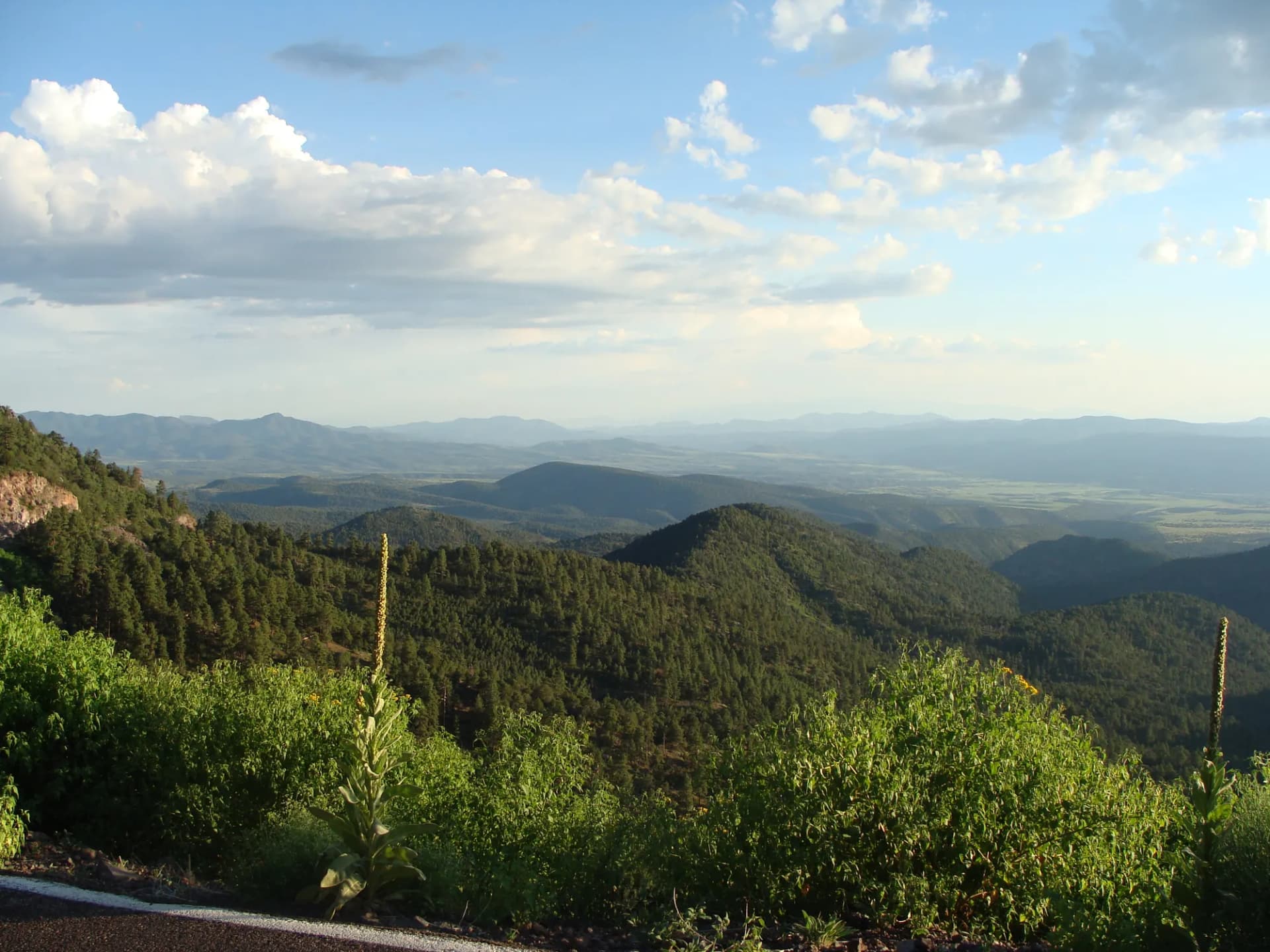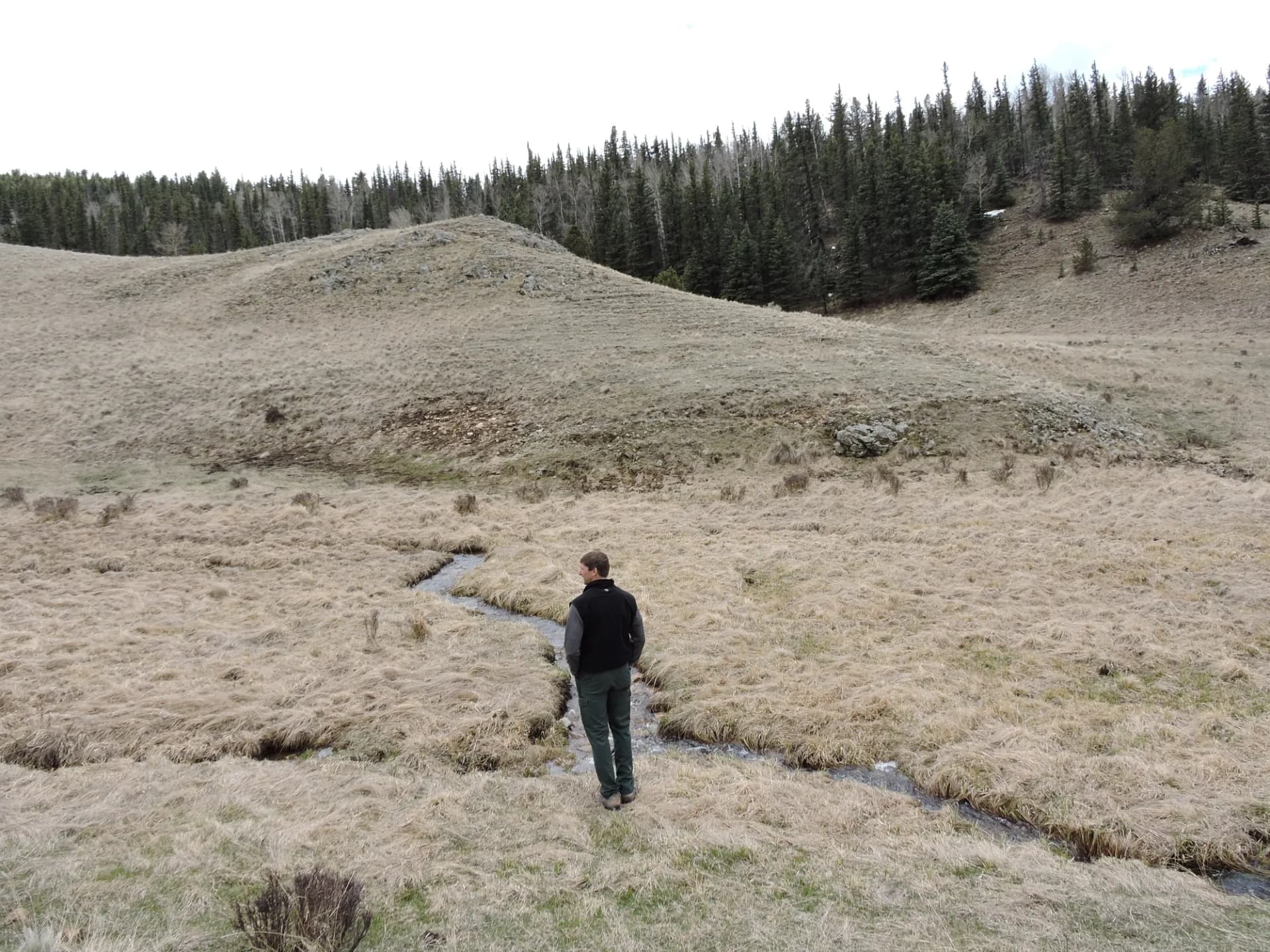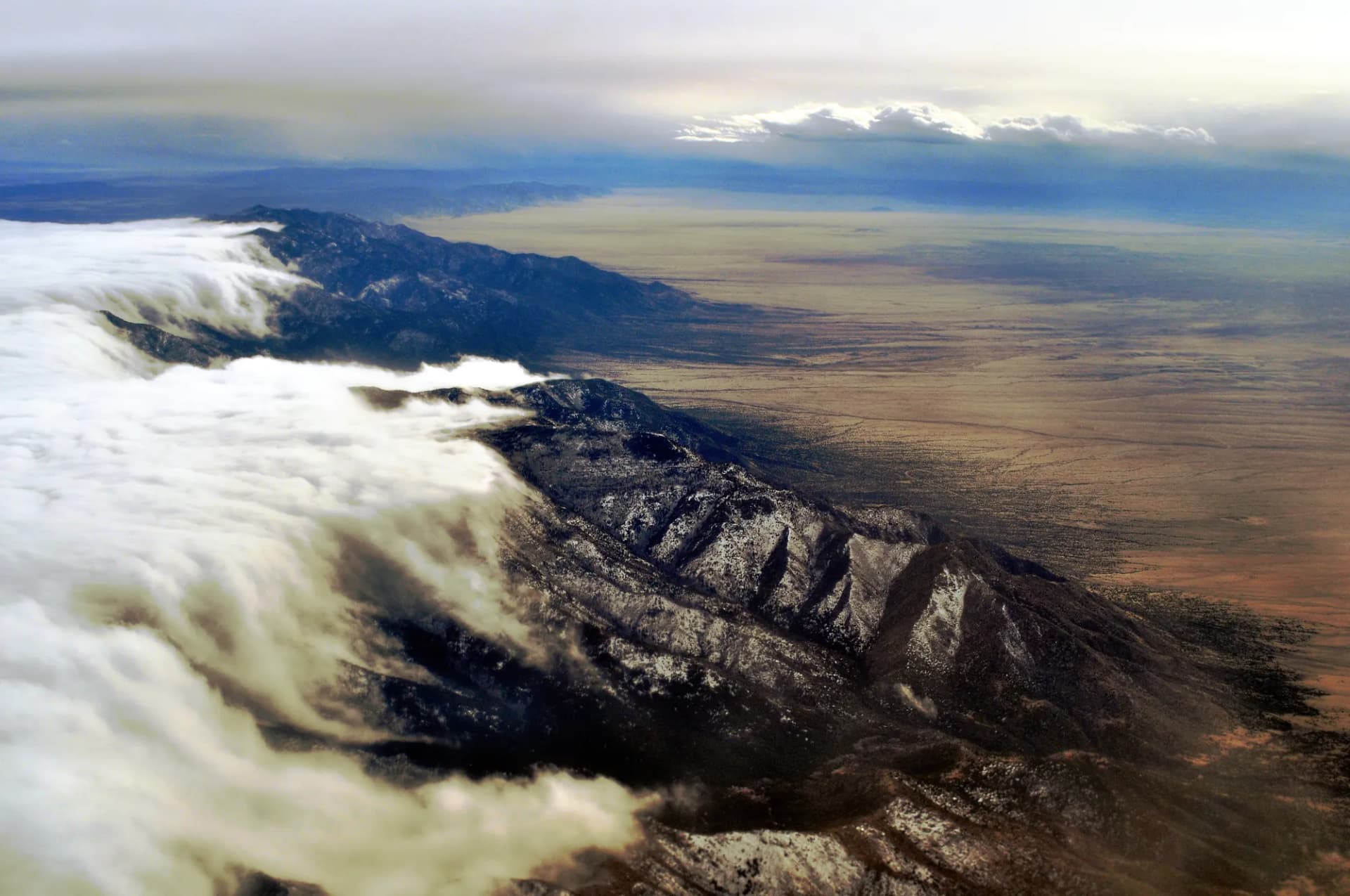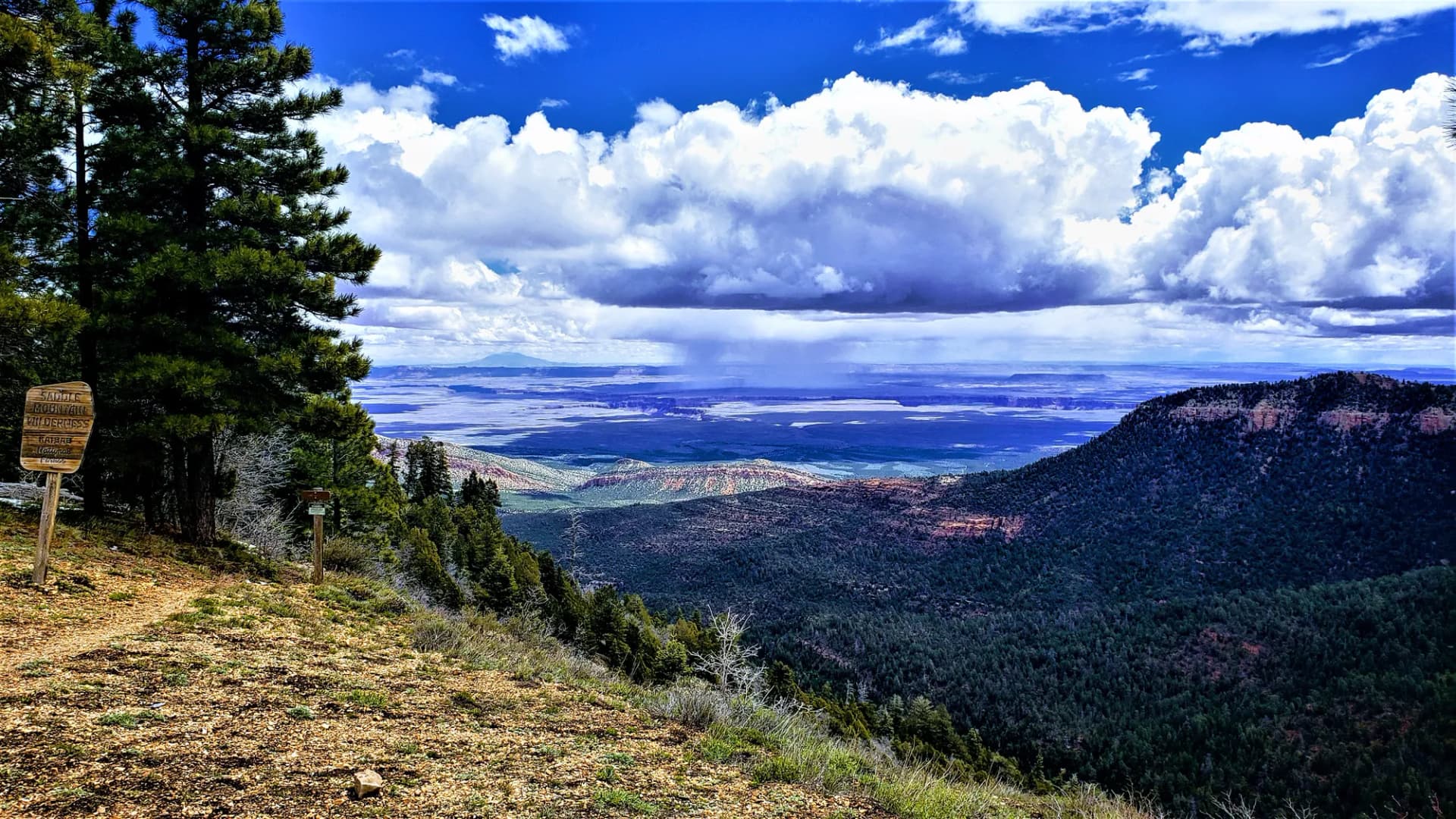
The Kaibab National Forest wraps around the Grand Canyon in two distinct units: the North Kaibab on the high plateau north of the canyon and the South Kaibab flanking the canyon to the south near Williams and Tusayan. Together these two units contain some of the most dramatic forested terrain in the Southwest, combining high ponderosa pine plateau country with canyon rim viewpoints and the Kaibab mule deer herd that became famous in wildlife management circles a century ago.
The North Kaibab unit is the more spectacular of the two, sitting atop the Kaibab Plateau at elevations of 7,500 to 9,000 feet. The plateau is defined by its dense ponderosa pine and spruce-fir forest, extensive meadow openings, and the dramatic escarpments where the plateau drops into the canyon system. The Arizona Trail traverses the full length of the plateau, making it one of the more popular long-distance hiking corridors in the Southwest. Access is seasonal: AZ-67 to the North Rim closes by November 1 and reopens in mid-May, making summer the primary hiking season.
The South Kaibab unit near Williams is accessible year-round and provides more modest terrain at lower elevations. The Ten-X Campground just south of Grand Canyon National Park's South Entrance is a popular base camp for Grand Canyon visitors who want a quieter, less expensive option than the park's own campgrounds. Trail options on the South Kaibab unit range from forest walks to canyon rim approaches.
Why Kaibab Stands Out
Grand Canyon Adjacency. No national forest in the country sits in closer proximity to a more famous national park. The Kaibab's plateau country provides the forested approach to the canyon rim, and several trails reach viewpoints into the canyon without requiring Grand Canyon NP entrance fees. Understanding national forest versus national park differences is useful context when planning a Kaibab visit.
The Arizona Trail Connection. The Arizona Trail on the Kaibab Plateau section is widely considered one of the finest segments of the 800-mile statewide trail. Crossing open meadows, threading through old-growth ponderosa and spruce, and eventually connecting to the Grand Canyon's North Rim corridor, the ATA section here offers genuine long-distance hiking without requiring the shuttle logistics of many point-to-point trails.
Wildlife on the Plateau. The Kaibab Plateau supports one of the most-watched wildlife populations in Arizona. Mule deer are abundant and visible in meadows throughout the forest. Pronghorn, wild turkey, elk, and mountain lions also inhabit the plateau. The famous story of the Kaibab deer herd in the 1920s, when a population explosion following predator removal devastated the vegetation, is one of the foundational case studies in American wildlife ecology.
Best Trails in Kaibab
The Kaibab Plateau Trail provides the most accessible forest experience on the North Kaibab unit, traversing 8 miles of plateau ponderosa pine with gentle terrain. The Arizona Trail on Kaibab Plateau covers a 12-mile point-to-point section of the iconic statewide trail across the full width of the plateau.
For more demanding terrain, the Saddle Mountain Wilderness Trail climbs 2,000 feet in 10 miles to the remote Saddle Mountain Wilderness. Indian Hollow Trail is a quieter 8-mile route into the drainage country north of the Grand Canyon rim.
Permits and Passes
Most trailheads on the Kaibab National Forest have no fee as of 2026. The America the Beautiful Pass covers day-use fees at applicable sites. Note that this pass does not cover Grand Canyon National Park entrance fees, which are a separate charge.
Veterans may qualify for a free lifetime Access Pass for federal recreation sites. See veteran benefits in national forests for details.
Campfire restrictions apply seasonally throughout the forest. Verify current restrictions before any trip, particularly in late spring and early fall when fire danger is elevated.
Camping
DeMotte Campground on the North Kaibab unit is the premier option: 38 sites in a ponderosa pine meadow setting with reservations available through Recreation.gov. It's 7 miles north of the Grand Canyon North Rim entrance and books out early for summer weekends.
Jacob Lake Campground at the highway junction provides a first-come, first-served alternative that catches overflow from DeMotte. Ten-X Campground near the South Entrance is a quieter option on the South Kaibab unit.
Dispersed camping is permitted throughout the forest outside developed areas with a 14-night maximum stay. Review the national forest camping permit guide for current procedures.
When to Visit
Mid-May through October for the North Kaibab unit, when AZ-67 is open. The plateau holds snow into May and can receive early storms by October. Late May through June, before monsoon season, offers the best combination of mild weather and long days.
Monsoon season (July through September) brings afternoon thunderstorms on most days. The plateau terrain is more forested and sheltered than the canyon rim country but exposed ridges and meadows still carry lightning risk.
October is the last full month before the North Rim closes. Fall color appears in the aspen groves and deer activity increases ahead of the rut. This is a strong time to visit if you can be out before the first significant snowstorm.
The South Kaibab unit near Williams is accessible year-round with generally milder conditions than the high plateau.
Getting There
North Kaibab: From Flagstaff, take US-89 north to the junction with AZ-89A near the Utah border, then AZ-67 south to Jacob Lake and continuing to DeMotte and the North Rim. Total drive approximately 3 hours from Flagstaff.
South Kaibab: From Flagstaff, take I-40 west to Williams, then US-64 north toward the Grand Canyon South Entrance. Ten-X Campground and South Kaibab unit trailheads are accessed from this corridor.
Practical Tips
Cell service is unreliable throughout most of the North Kaibab unit. Download offline maps and inform someone of your itinerary before heading out.
The plateau weather can change rapidly. Afternoon thunderstorms arrive with little warning in summer. Carry rain gear on any hike longer than a few miles.
Many hikers carry 2-3 liters of water on plateau hikes; reliable water sources exist at campgrounds but may be absent on backcountry trails. Individual needs vary.
Mule deer on the Kaibab are accustomed to people and may approach campsite areas. Feeding wildlife is prohibited; store food properly.
Planning Your Trip
Jacob Lake Inn at the AZ-67 junction provides lodging, fuel, and food service. Kanab, Utah (40 miles north) offers more complete services. Williams (80 miles south) is the nearest substantial town.
Review current road and trail conditions with the North Kaibab Ranger District (Fredonia) or South Kaibab Ranger District (Williams) before heading out. See checking conditions before you go for recommended pre-trip resources.