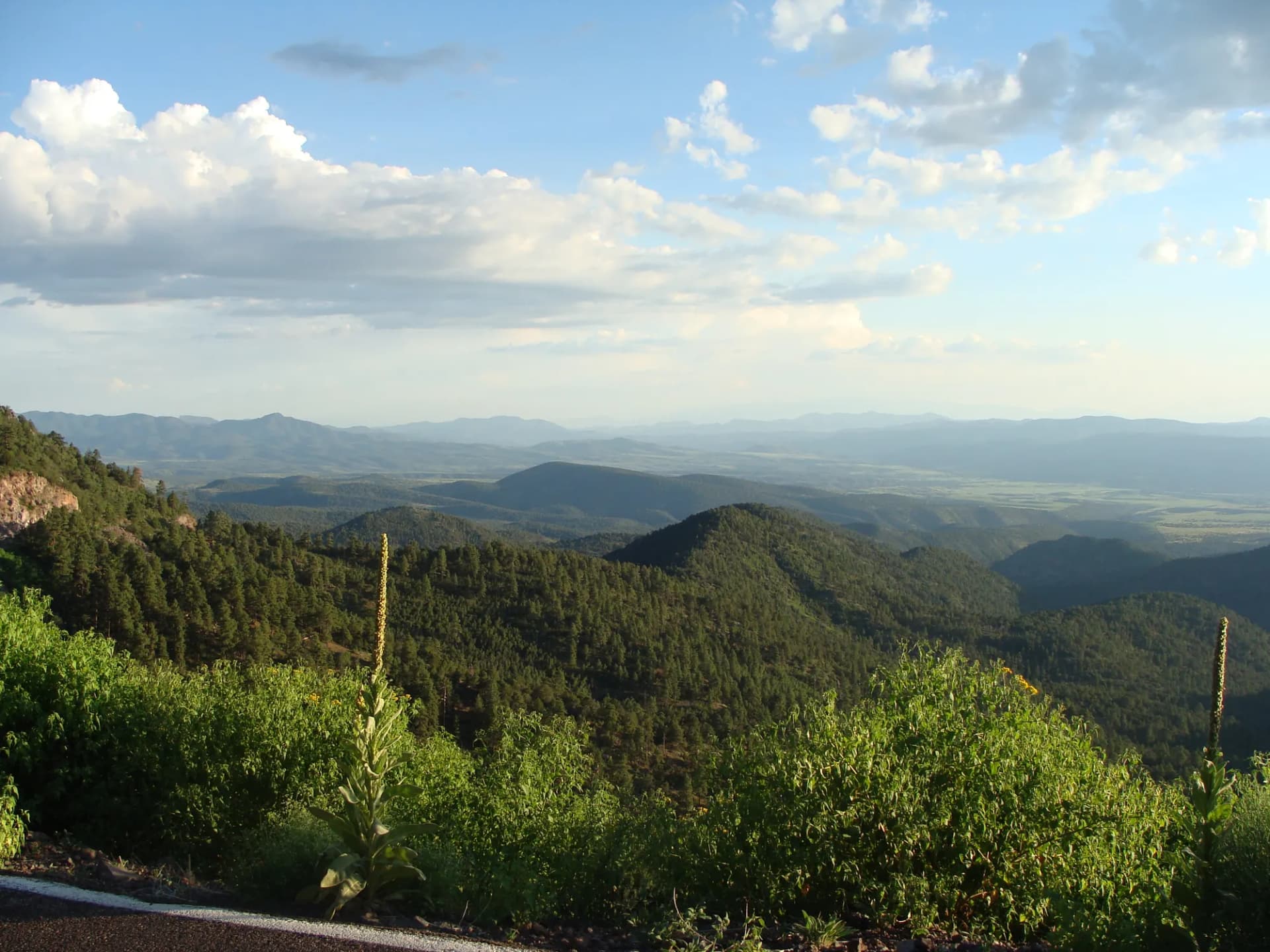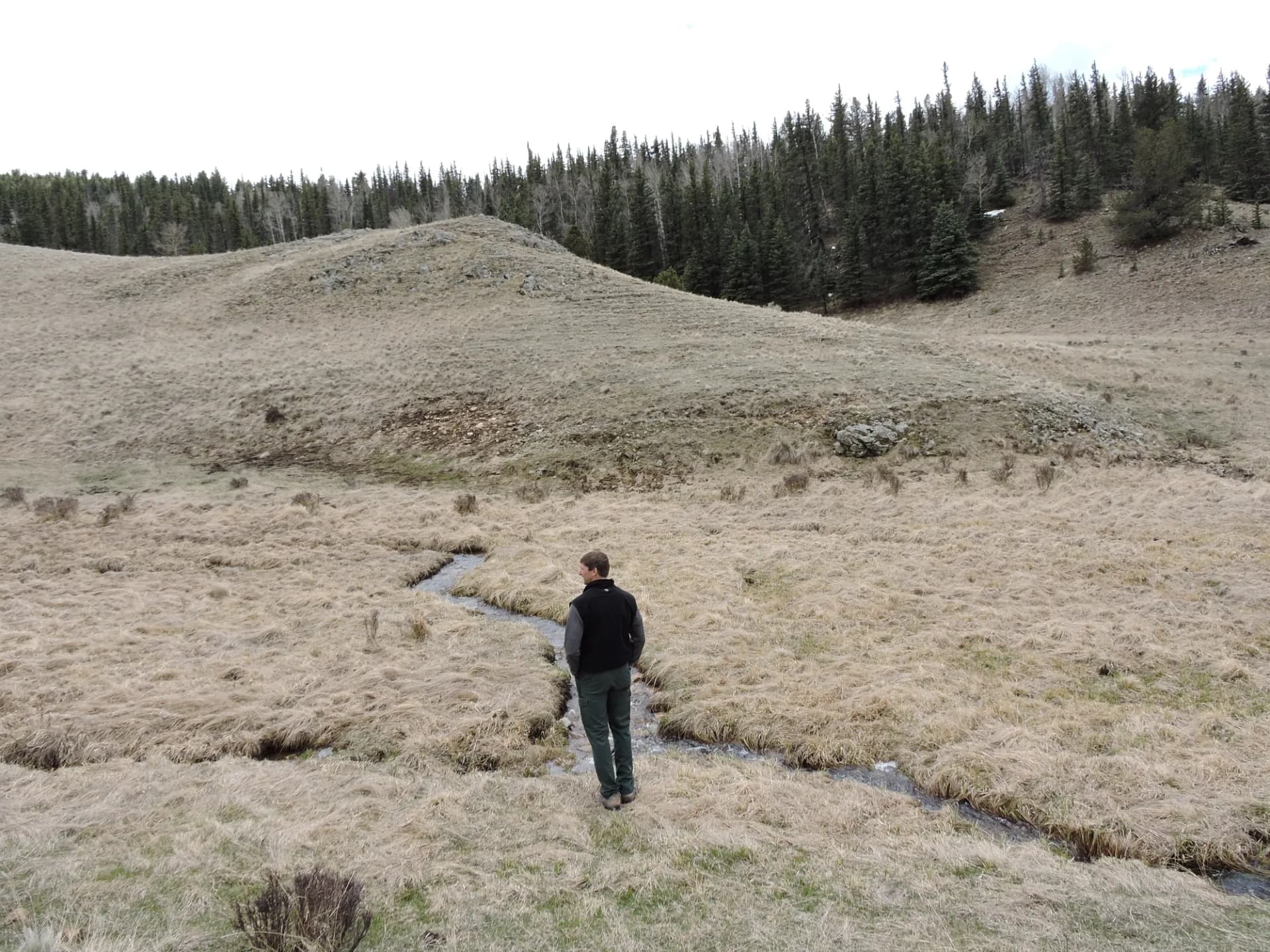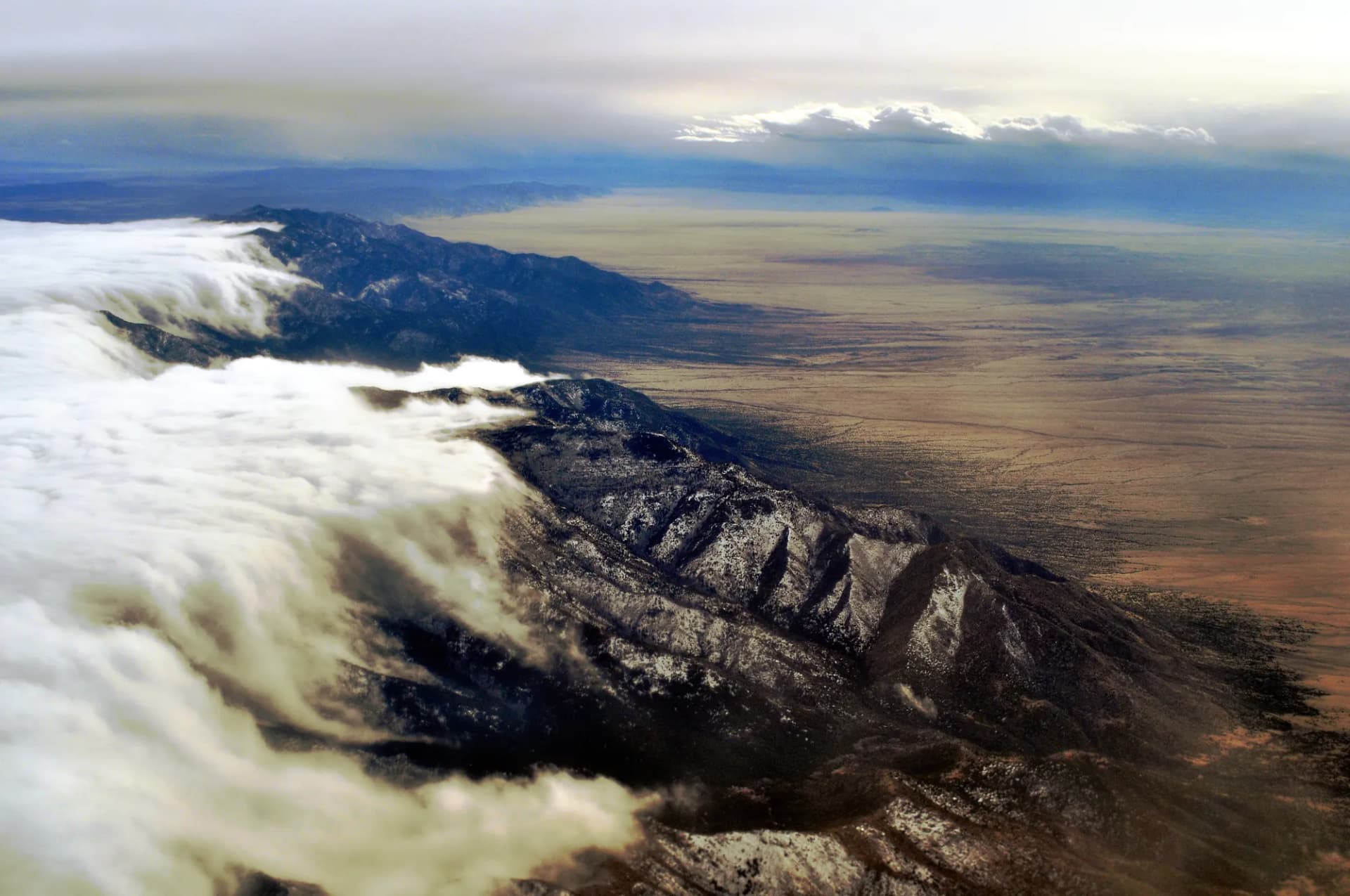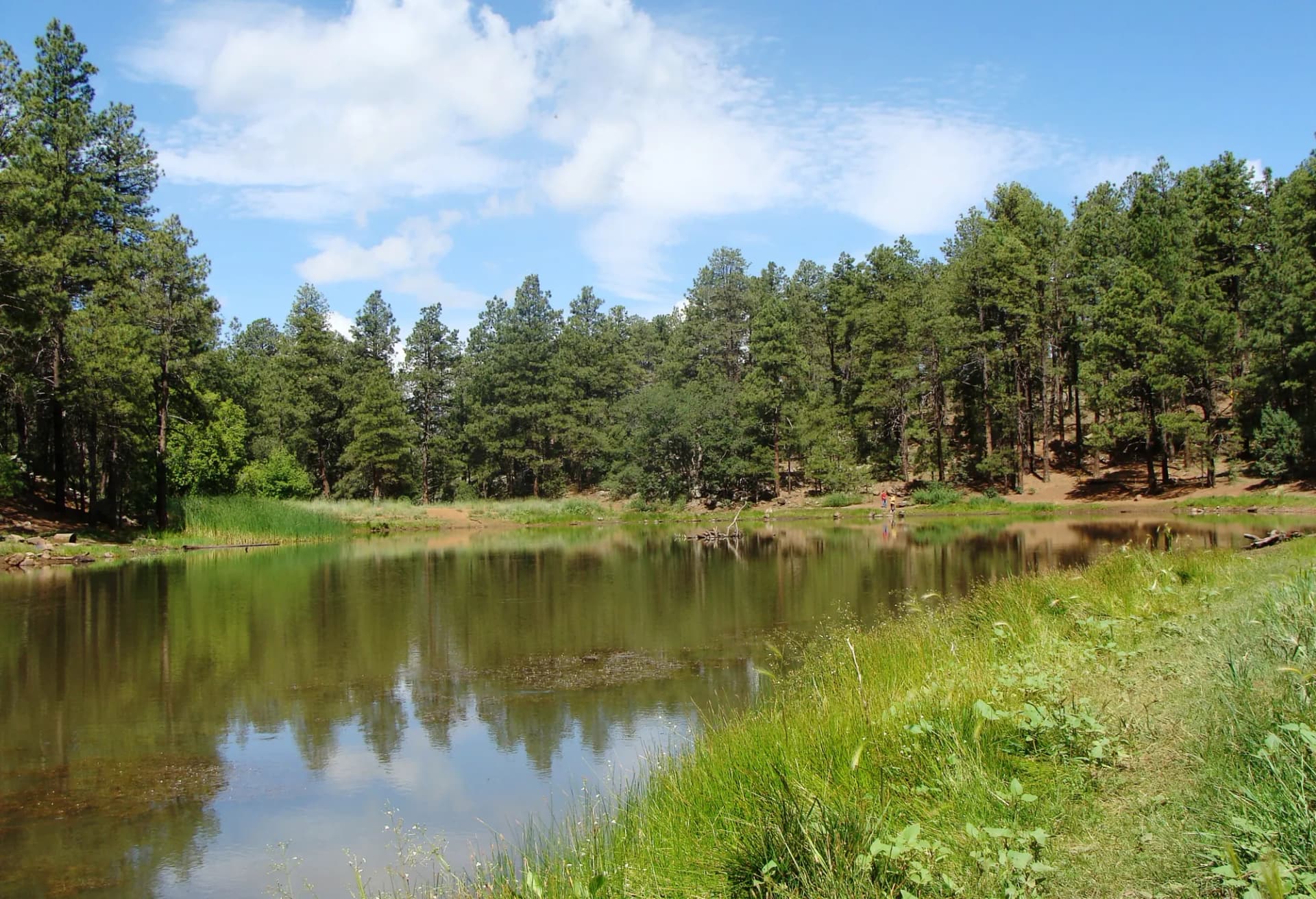
The Prescott National Forest is Arizona's most accessible high-country forest, surrounding the historic territorial capital city of Prescott on three sides. With the forest boundary beginning at the city's edge, residents and visitors can access genuine wilderness terrain in under 10 minutes. This proximity to a historic small city with full services, combined with a climate that's remarkably mild compared to the Phoenix valley, makes Prescott one of the more civilized wilderness gateways in the Southwest.
The forest covers 1.25 million acres from the lower chaparral and juniper grasslands at around 2,700 feet to the granite domes and pine ridges above 8,000 feet. This elevation range creates a forest with more accessible terrain for casual hikers than the more demanding peaks of the Apache-Sitgreaves or Tonto. Four wilderness areas protect the most rugged terrain: Granite Mountain, Pine Mountain, Woodchute, and Juniper Mesa.
Prescott's elevation (5,400 feet at city center) moderates the Arizona summer heat significantly. Hiking here in summer is comfortable when the Phoenix valley is dangerous. July through September afternoons bring monsoon thunderstorms, but the morning window for hiking is long and temperate. This seasonal accessibility pattern, combined with the city's large retirement and outdoor recreation community, means the forest's trails see steady year-round use.
Why Prescott Stands Out
Granite Mountain Wilderness. The centerpiece of the forest is a mass of granite domes, cliffs, and boulders northwest of the city that hosts the premier rock climbing and summit hiking in central Arizona. The Granite Mountain Summit trail climbs 2,200 feet to views that span the Verde Valley, the Bradshaw Mountains, and on clear days, the distant San Francisco Peaks near Flagstaff. The wilderness area also holds historical weight as the site of the 2013 Yarnell Hill fire that claimed 19 Granite Mountain Hotshots.
Year-Round Accessibility. The forest's moderate elevation and location in Arizona's interior (with more stable winter weather than high-mountain forests) makes year-round hiking realistic. Trails like the Thumb Butte Loop and Lynx Lake Loop are accessible and enjoyable even in winter months.
Verde River Corridor. The eastern reaches of the Prescott National Forest touch the Verde River drainage, where the Verde Rim Trail delivers dramatic canyon views. The Verde Valley is one of central Arizona's most scenic natural corridors.
Best Trails in Prescott
The Granite Mountain Summit is the forest's signature hike: 7 miles with 2,200 feet of gain through chaparral and granite country to broad summit views. Thumb Butte Loop at 1.8 miles is the most popular short hike, perfect for a sunset outing with views of the city and surrounding forest.
For longer terrain, Verde Rim Trail covers 8 miles with 1,800 feet of gain to dramatic canyon views over the Verde drainage. Pine Mountain Wilderness Trail offers a 6-mile introduction to the quieter southern wilderness area.
The Woodchute Wilderness Trail near Jerome is one of the forest's best-kept secrets, with high-mesa walking and views of the Verde Valley from a different angle than the Granite Mountain routes.
Permits and Passes
Most trailheads in the Prescott National Forest are free as of 2026. Lynx Lake Recreation Area charges a day-use fee that the America the Beautiful Pass covers. Veterans can review veteran benefits in national forests for free pass eligibility.
Review the national forest camping permit guide for campground reservation procedures.
Camping
Lynx Lake Campground is the most popular developed option, with 36 sites near the lake and access to fishing and hiking. Reservations through Recreation.gov are advisable for summer weekends. White Spar Campground south of Prescott is a larger alternative.
Dispersed camping is permitted throughout the national forest away from developed areas. Campfire restrictions are issued regularly during high-fire-danger periods; verify current status before your trip.
When to Visit
March through November covers the primary season. The early spring (March through May) shoulder season is excellent: wildflowers are active, temperatures are mild, and trail conditions are reliably good. Summer hiking is comfortable at most elevations, with the only constraint being afternoon monsoon storms from July through September.
Fall (September through November) brings cooler temperatures and the best wildlife viewing, including elk activity in the higher elevations and the bald eagle migration to Watson and Willow Lakes.
Winter is viable on most trails. Snow occasionally closes higher trails, but the city's location and mild winters mean closures are brief and uncommon.
Getting There
From Phoenix: Take I-17 north to Cordes Junction, then AZ-69 west to Prescott. The drive is approximately 100 miles and 1 hour 40 minutes from central Phoenix. This is one of the most straightforward national forest approaches from a major Arizona city.
From Flagstaff: Head south on I-17 approximately 60 miles to the Cordes Junction/Prescott junction, then AZ-69 west.
Practical Tips
The city of Prescott provides all services: lodging, groceries, gear shops, and a hospital. The historic downtown Courthouse Plaza is 5 minutes from major trailheads.
Summer afternoon thunderstorms (July through September) require early starts on summit routes. Lightning on granite ridges is the primary weather hazard. Granite Mountain and Thumb Butte are both exposed enough to warrant caution.
Cell service is generally good from the major trailheads near the city. More remote areas in the Pine Mountain and Woodchute wildernesses lose service.
Planning Your Trip
Review Leave No Trace 7 principles before visiting — the forest's proximity to a city means it absorbs heavy use and trail conditions are sensitive to visitor behavior.
Check current fire restrictions with the Prescott National Forest ranger district before building any campfire. The Prescott area experienced significant fire activity in the early 2020s and fire management remains an active priority.
See checking conditions before you go for current conditions resources including fire restrictions and weather forecasts.