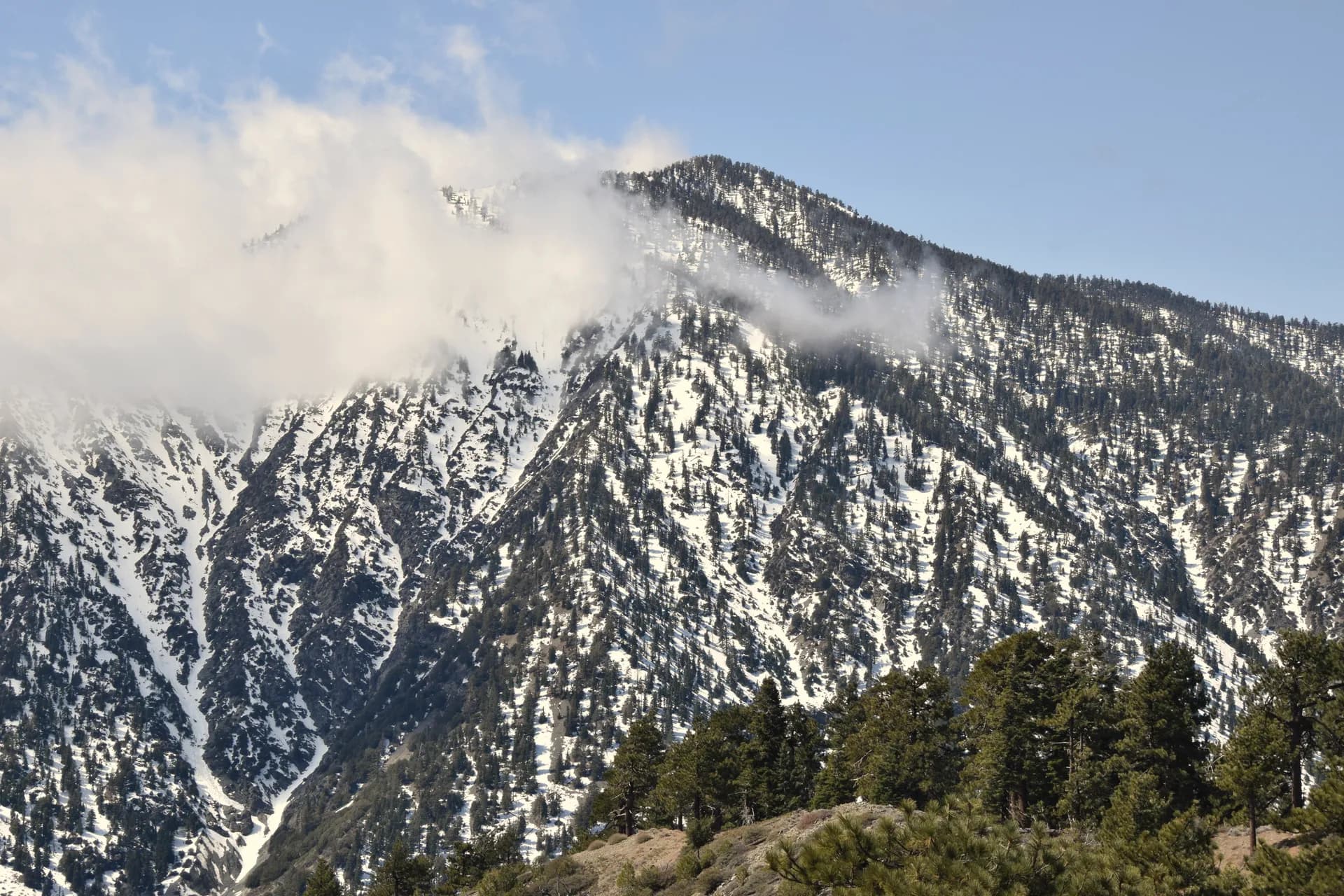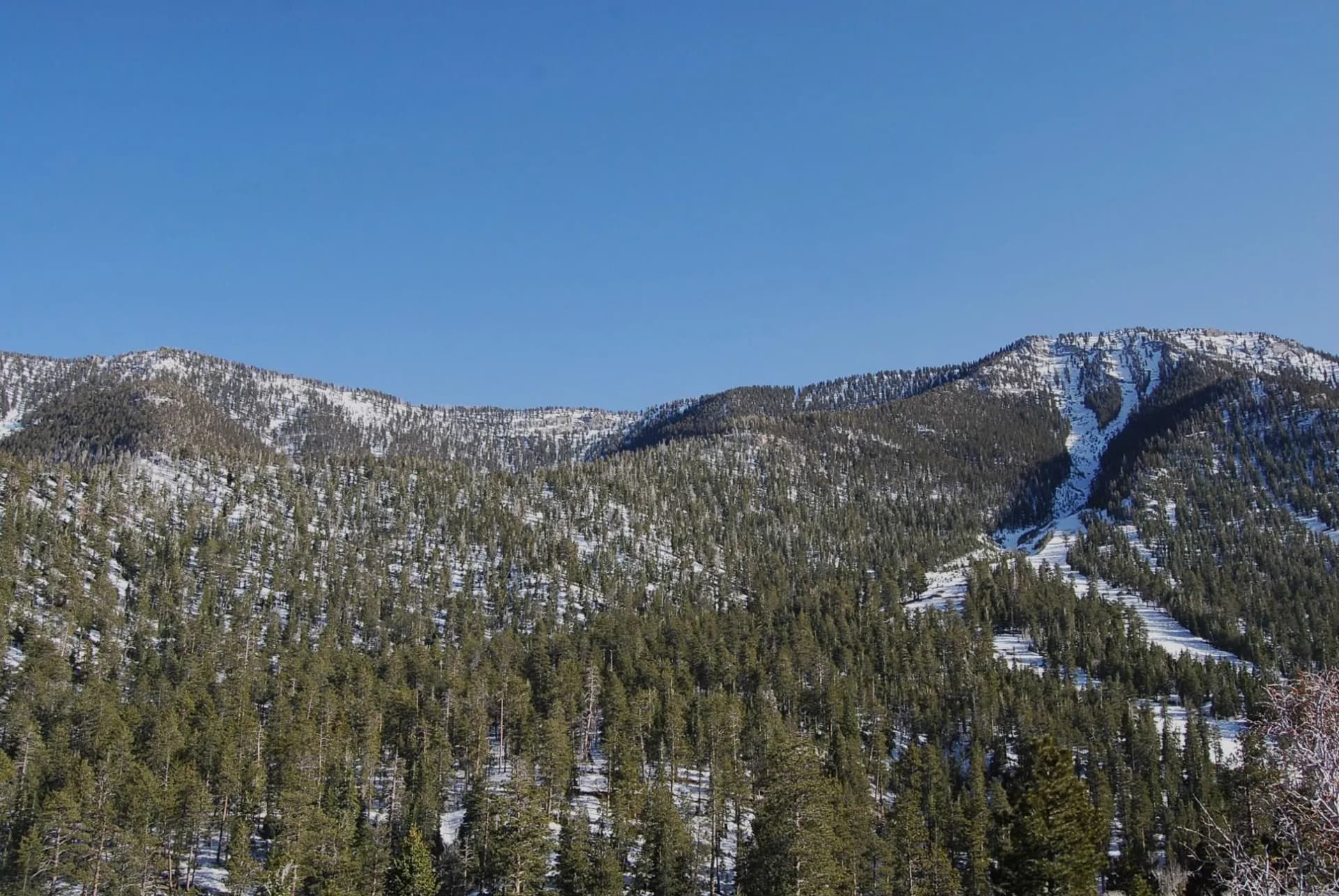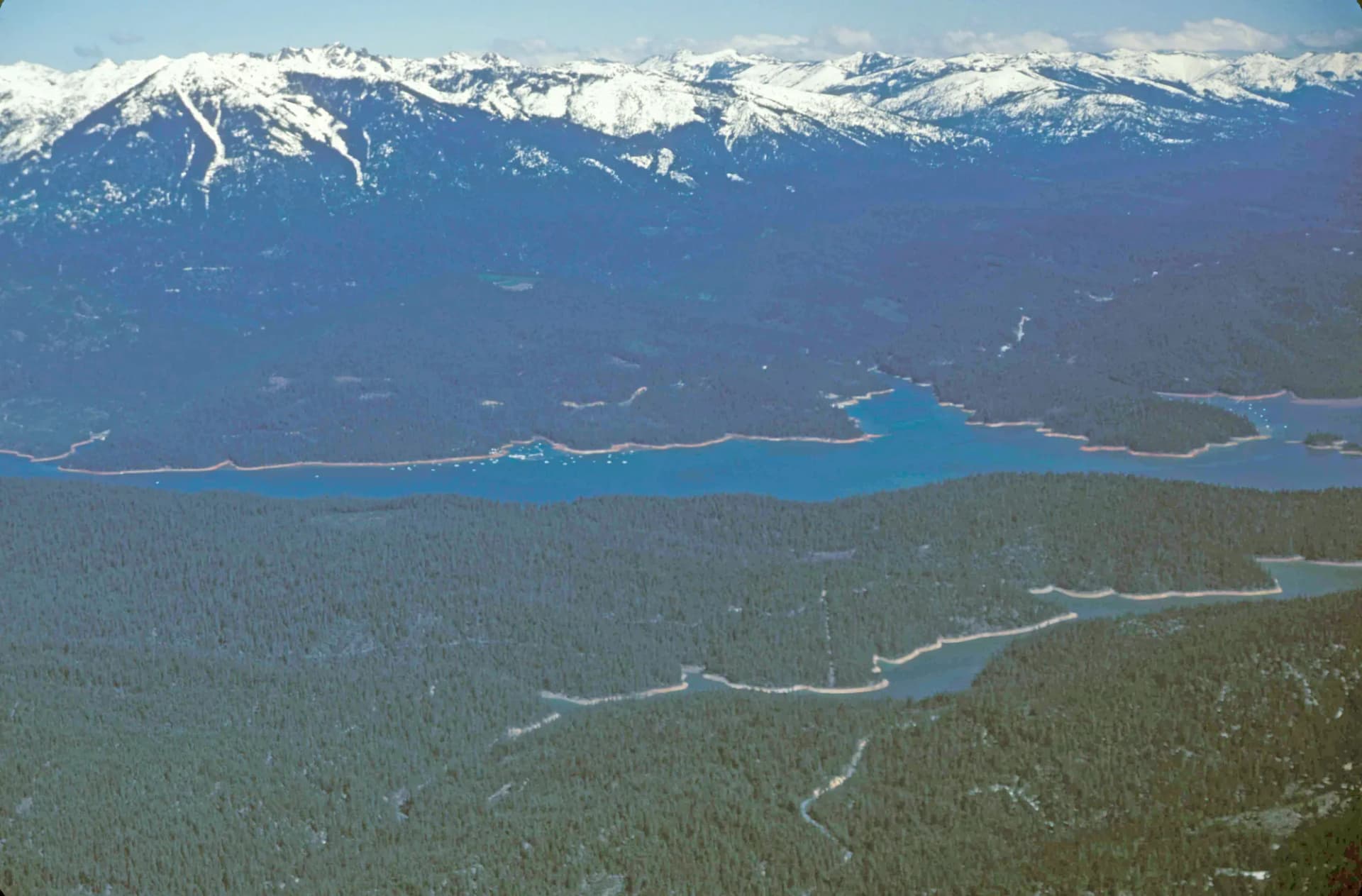
Shasta-Trinity National Forest is northern California's largest national forest, combining two originally separate forests into a 2.2-million-acre unit that spans the full width of the northern Coast Ranges and Cascades from the Trinity Alps in the west to the volcanic rim of the Cascades in the east. The forest is defined by the geographic improbability of what sits within its boundaries: a 14,179-foot volcanic stratovolcano, a 533,000-acre granite wilderness with over 500 alpine lakes, one of California's most pristine free-flowing rivers, and some of the most dramatic roadside rock formations in the American West.
Mount Shasta dominates the eastern portion of the forest and the skyline visible from hundreds of miles away. The mountain is a geologically active stratovolcano with significant glaciation above 10,000 feet, a summit permit requirement, and a climbing season that draws tens of thousands of visitors annually to its standard routes. Below the volcanic peaks, the forest transitions west through conifer-covered ridges to the granite terrain of the Trinity Alps, where snowmelt feeds dozens of glacier-carved lakes and streams that remain cold and clear through late summer. Between these two ranges, the Sacramento River and its tributaries cut deep canyons that create sharp elevation transitions within short horizontal distances.
For hikers who want the range of experiences northern California can offer, Shasta-Trinity compresses more variety into reachable distance than almost any other California forest. The McCloud River, a spring-fed tributary of the Sacramento, runs through the forest's eastern section and is considered one of the finest wild trout fisheries in the state. The trinty side offers the best combination of wilderness scale and trail quality in northern California. See the national forest vs. national park guide for context on how Shasta-Trinity's management differs from adjacent Lassen Volcanic National Park.
Why Shasta-Trinity Stands Out
A Volcanic Landscape Still in Motion
Mount Shasta last erupted in 1786 and remains one of the most geologically active volcanoes in the Cascades. Its summit glaciers are receding but still present, and the mountain generates its own weather patterns that can build thunderstorms over the peak in hours. This is not merely scenery. Climbing Shasta is a mountaineering objective, not a hike. The standard Avalanche Gulch route requires crampons and ice axe for most of the season and demands both fitness and skills that differ from trail hiking. For those interested in approaching the mountain, the Mount Shasta Ranger District provides current conditions, permit information, and safety guidance.
Trinity Alps: California's Most Complete Wilderness
The Trinity Alps Wilderness contains over 500 alpine lakes, a trail network stretching hundreds of miles, and a sense of scale and remoteness that surprises most visitors expecting California crowds. The western part of the wilderness sees lighter use than the eastern approaches, and multi-day loops through the high country can involve days between other parties. The granite is similar to the Sierra Nevada but younger-feeling, with sharp peaks and bowl lakes that retain their character because the access roads are longer and the approaches more demanding. The Stuart Fork corridor is the classic Trinity Alps backpacking approach.
The McCloud River Corridor
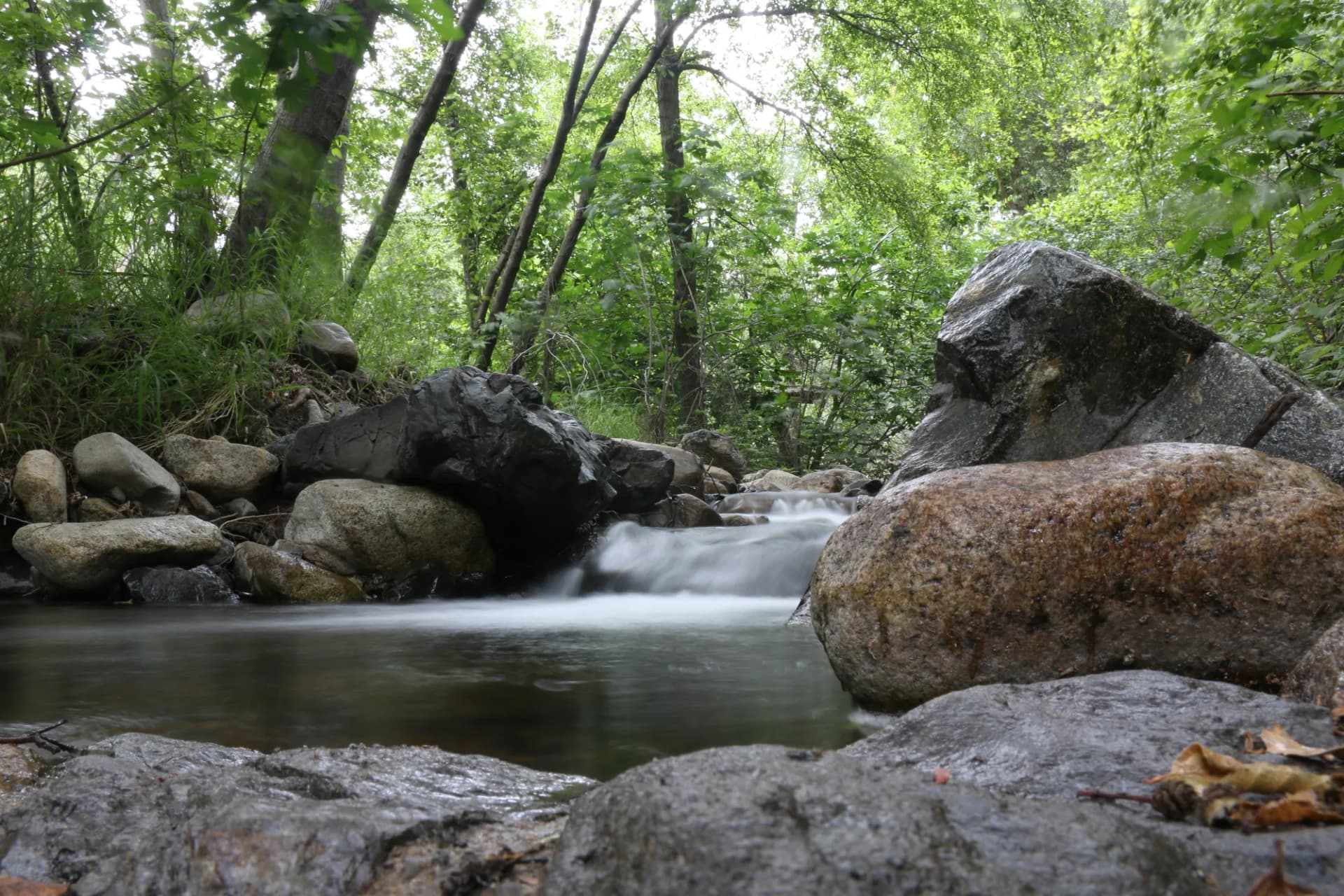
The McCloud River falls within the forest's eastern section and offers a rare combination: crystal-clear spring-fed water that stays cold through summer, excellent wild trout fishing, and scenery that ranges from intimate forest pools to dramatic cascades. The McCloud River Falls Trail connects three distinct waterfalls in 3.7 miles, making it one of the most accessible waterfall hikes in northern California. The surrounding watershed is protected, and the river runs free of major dams through the national forest section.
Best Trails in Shasta-Trinity National Forest
McCloud River Falls Trail
The McCloud River Falls trail connects Lower, Middle, and Upper McCloud Falls along a 3.7-mile out-and-back through riparian forest above the McCloud River. Lower Falls is the most dramatic, dropping 15 feet into a large pool that draws swimmers in summer. Middle Falls drops in a wider curtain into another pool. Upper Falls is the most remote and least visited of the three. This is one of the few forest trails that delivers its headline attraction within the first 0.5 miles, making it accessible for a very wide range of hikers.
Castle Crags Trail
The Castle Crags Trail climbs 2,200 feet in 5.4 miles to reach the base of the granite spires that make Castle Crags one of the most distinctive landscapes in northern California. The upper trail moves through open rocky terrain with views of both the crags and Mount Shasta rising across the Sacramento Valley. This is a demanding climb for a day hike but one of the most visually distinctive routes in the forest.
Mount Eddy Summit
Mount Eddy is the highest point in the Klamath Mountains at 9,025 feet, offering views on clear days of Mount Shasta, Lassen Peak, and on exceptional days into Oregon and Nevada. The 10.5-mile round trip gains 3,900 feet from the Deadfall Lakes Trailhead, passing through a chain of scenic alpine lakes before the final climb to the summit. This is a strenuous day hike that rewards strong hikers with some of the best non-summit-permit panoramas in northern California.
Caribou Lake Trail
The Caribou Lake route is a 15-mile out-and-back into the Trinity Alps Wilderness, reaching one of the most remote and beautiful lake settings in the forest. The trail climbs through mixed conifer forest and alpine terrain to a high granite basin. Most visitors do this as an overnight backpack.
Permits and Passes
A Summit Permit ($25/person, as of 2026) is required for all climbers above 10,000 feet on Mount Shasta. The Trinity Alps Wilderness and Castle Crags Wilderness require free self-issue day-use or overnight permits available at trailheads. The America the Beautiful Pass covers day-use parking fees at most forest trailheads. Veterans and active military can obtain this pass at no cost; see the veteran benefits guide for details.
California campfire restrictions apply across the forest and change seasonally. Always check current restrictions at fs.usda.gov/stnf or the relevant ranger district before any trip. A free campfire permit from the USFS is required outside developed sites as of 2026.
Camping
The forest has over 100 campgrounds ranging from drive-in developed sites at major recreation areas to primitive dispersed camping throughout the wilderness areas. The McCloud Reservoir area has the most developed facilities. The Trinity Alps side has more dispersed options.
Dispersed camping is allowed throughout the national forest outside designated campgrounds and restricted zones, with standard Leave No Trace requirements. In wilderness areas, camping is prohibited within 100 feet of lakes and streams in the Trinity Alps. See how to get a national forest camping permit for the permit process and bear canister requirements for food storage rules, which are mandatory in wilderness areas.
When to Visit
Late May through October covers the main season. Trinity Alps high country (above 6,000 feet) typically opens in late June after snowmelt. Mount Shasta's climbing season peaks in May and June before the snow consolidates into ice. Valley-level trails are accessible year-round but summers bring extreme heat (90s-100s in Redding and the Trinity River corridor). Fall (September-October) is the best combination of open trails, moderate temperatures, and reduced crowds. Fire season affects conditions significantly from August onward; check current restrictions.
Getting There
Interstate 5 runs directly through the forest north-south, with the city of Mount Shasta serving as the main hub for eastern forest access. Highway 299 crosses the forest east-west, connecting Redding to Weaverville and the Trinity Alps trailheads. Highway 3 connects Weaverville north to the Trinity Lake area. Most trailheads require a drive from these main corridors, often on paved but narrow forest roads.
Practical Tips
- Bear canisters are required in Trinity Alps Wilderness. Verify current USFS rules at your entry trailhead.
- Fire restrictions in northern California can change within 24 hours based on conditions. Check the USFS website and the California Fire portal (fire.ca.gov) before and during any trip.
- Lightning is a genuine hazard on exposed ridges and on Mount Shasta in summer afternoons. Start summit climbs before dawn and be off exposed terrain by early afternoon.
- Water sources in the Trinity Alps are generally reliable through early August but diminish in drought years by September. Carry extra capacity.
Planning Your Trip
The USFS Shasta-Trinity website (fs.usda.gov/stnf) has current permits, fire restrictions, and ranger district contact information. The Mount Shasta Ranger District handles eastern forest access. The Weaverville Ranger District covers the Trinity Alps. The McCloud Ranger District manages the McCloud River area. Conditions vary significantly between these districts; contact the relevant office for the area you are visiting. Check conditions before any trip using InciWeb for fire information and the USFS Shasta-Trinity alerts.