Uinta-Wasatch-Cache National Forest is the reason Salt Lake City works as a city for outdoor people. Covering over 2.1 million acres across northern Utah, the forest stretches from the steep canyons of the Wasatch Front (literally 20 minutes from downtown SLC) east into the Uinta Mountains, the only major east-west mountain range in the contiguous United States. It was established in 1906 and has been the primary recreation ground for the Wasatch Front's 2.5 million residents ever since.
The name is a mouthful, and the combined forest reflects three historically separate national forests merged into one administrative unit. The Wasatch section is the alpine terrain directly above Salt Lake City and the surrounding valleys. The Cache section covers the Bear River Range in northern Utah. The Uinta section extends into the high plateau and lake country of the Uinta Mountains. Together they contain some of the most accessible alpine hiking, skiing, and backcountry terrain in the American West.
Why This Forest Stands Out
The proximity to a major metro area is the headliner. Big Cottonwood Canyon and Little Cottonwood Canyon are 20 to 30 minutes from downtown Salt Lake City, and both lead directly into serious alpine terrain. This is not a "nature walk near the suburbs" situation. Within a half-hour drive from a Starbucks on South Temple, you can be standing at the base of 11,000-foot peaks surrounded by wildflower meadows and glacial cirques.
The Wasatch Range holds four world-class ski resorts (Snowbird, Alta, Brighton, Solitude), and those same mountains become prime hiking territory from June through October. The canyons are steep, the trails gain elevation fast, and the scenery rivals anything in Colorado or Montana. Popular routes like Red Pine Lake in Little Cottonwood Canyon, Bells Canyon in the Lone Peak Wilderness, Grandeur Peak in Millcreek Canyon, and the Living Room Trail above the University of Utah give a sense of the range.
The Uinta Mountains, about 90 minutes east of SLC via the Mirror Lake Highway, offer a completely different experience. Rolling high-country terrain, hundreds of alpine lakes, and a quieter backcountry that doesn't draw the same crowds as the Wasatch canyons. The highest point is Kings Peak at 13,534 feet, Utah's tallest mountain and a popular (if long) summit day.
One important quirk: Big Cottonwood Canyon and Little Cottonwood Canyon are protected watersheds for Salt Lake City's drinking water. This means no dogs, no swimming, and no wading in either canyon. The rules are enforced with fines, and they're not negotiable. If you're hiking with your dog, head to American Fork Canyon or the Uinta Mountains instead.
Best Trails
Lake Blanche
The signature Wasatch Front hike. This 6.8-mile out-and-back in Big Cottonwood Canyon gains 2,700 feet of elevation to reach Lake Blanche, sitting at 8,920 feet in a cirque beneath Sundial Peak. The trail is well-maintained but relentlessly uphill, switchbacking through aspen groves and conifer forest before opening into the alpine basin. Sundial Peak's dramatic spire rises directly above the lake, and on a clear day the views extend across the Salt Lake Valley. Start early on summer weekends: the trailhead lot fills by 8 AM.
Cecret Lake
The easiest alpine lake hike in the Wasatch. From the Albion Basin parking area at the top of Little Cottonwood Canyon (at Alta ski area), this 1.8-mile out-and-back gains only 400 feet to reach a glacial lake at 9,460 feet. The trail crosses wildflower meadows that peak in late July and early August, and the display is genuinely stunning. This is one of the best wildflower hikes in Utah. The trailhead doesn't open until the road is clear of snow, typically late June or early July.
Donut Falls
A family favorite in Big Cottonwood Canyon. The 3.2-mile out-and-back is mostly flat and follows a creek to a waterfall that flows through a natural hole in the rock, creating the "donut" shape. It's a great hike for kids. The last section to the falls involves some rock scrambling on uneven terrain, but nothing technical. Peak water flow is in late spring and early summer.
Mount Timpanogos
The big one. Mount Timpanogos (11,752 feet) is the second-highest peak in the Wasatch Range, and summiting it via the Timpooneke Trail is a 14-mile out-and-back with 4,580 feet of elevation gain. It's a long day, typically 8 to 12 hours round trip. The trail passes through wildflower meadows, past a permanent snowfield (bring traction in early season), and up to a summit with 360-degree views of the Utah Valley, the Heber Valley, and the surrounding peaks. This is one of the most popular summit hikes in the West, and for good reason. The Timpooneke route is dog-friendly, though the length and elevation make it a tough day for most dogs.
Permits and Passes
The permit situation in Uinta-Wasatch-Cache is simpler than most Western forests.
Mirror Lake Highway Fee: Required for parking at trailheads along the Mirror Lake Highway (SR-150) in the Uinta Mountains. Costs $6 for a 3-day pass or $12 for a season pass. America the Beautiful passes are accepted.
Timpanogos Cave National Monument: If you want to tour the caves on the north side of Mount Timpanogos, you need a timed-entry ticket at $11 per adult ($6 for children). Book through Recreation.gov. This is separate from the hiking trail to the summit.
Watershed Rules (Wasatch Canyons): Big Cottonwood Canyon and Little Cottonwood Canyon are Salt Lake City watershed areas. No dogs, no swimming, no wading, no body contact with water sources. Violations carry fines up to $1,000. This applies to all trails in these two canyons, including Lake Blanche, Cecret Lake, Donut Falls, and any other trail accessed from SR-190 or SR-210.
General Access: Most trailheads outside the Mirror Lake Highway corridor and the Timpanogos Cave area are free. No wilderness permits are currently required for day hiking.
Camping
Spruces Campground is the largest campground in Big Cottonwood Canyon with 97 sites. It sits at 7,400 feet among spruce and fir trees. Sites are $28 per night and fill quickly on summer weekends. Reserve through Recreation.gov.
Tanners Flat Campground, also in Big Cottonwood Canyon, has 36 sites at $27 per night. It's slightly lower in elevation and closer to the canyon mouth, making it a good base for accessing multiple trailheads.
Timpooneke Campground is the closest campground to the Mount Timpanogos trailhead, with 32 sites at $25 per night at 7,400 feet in American Fork Canyon. This is a strategic overnight spot if you want an early start on the Timpanogos summit hike.
Mirror Lake Campground sits at 10,200 feet in the Uinta Mountains with 78 sites at $27 per night. It's the largest campground along the Mirror Lake Highway and provides access to dozens of alpine lake trails in the surrounding high country.
For dispersed camping (check camping permit requirements), the Uinta Mountains have extensive opportunities along forest roads off the Mirror Lake Highway. The Wasatch canyons are more restricted due to watershed protections and limited space.
When to Visit
June through October is the hiking season, but the window varies significantly by elevation.
June: Lower-elevation trails in the Wasatch canyons are usually snow-free by early June. Higher routes (Lake Blanche, Cecret Lake) may still have significant snow until late June or early July. The Mirror Lake Highway typically opens in late May or early June, depending on snowpack.
July and August: Prime hiking season. Wildflowers peak in late July at higher elevations. Expect afternoon thunderstorms, particularly in the Uintas. Lightning is a real hazard above treeline; plan to be off exposed ridges by early afternoon. Weekend trailheads in the Wasatch canyons are extremely crowded; arrive before 8 AM or go on a weekday.
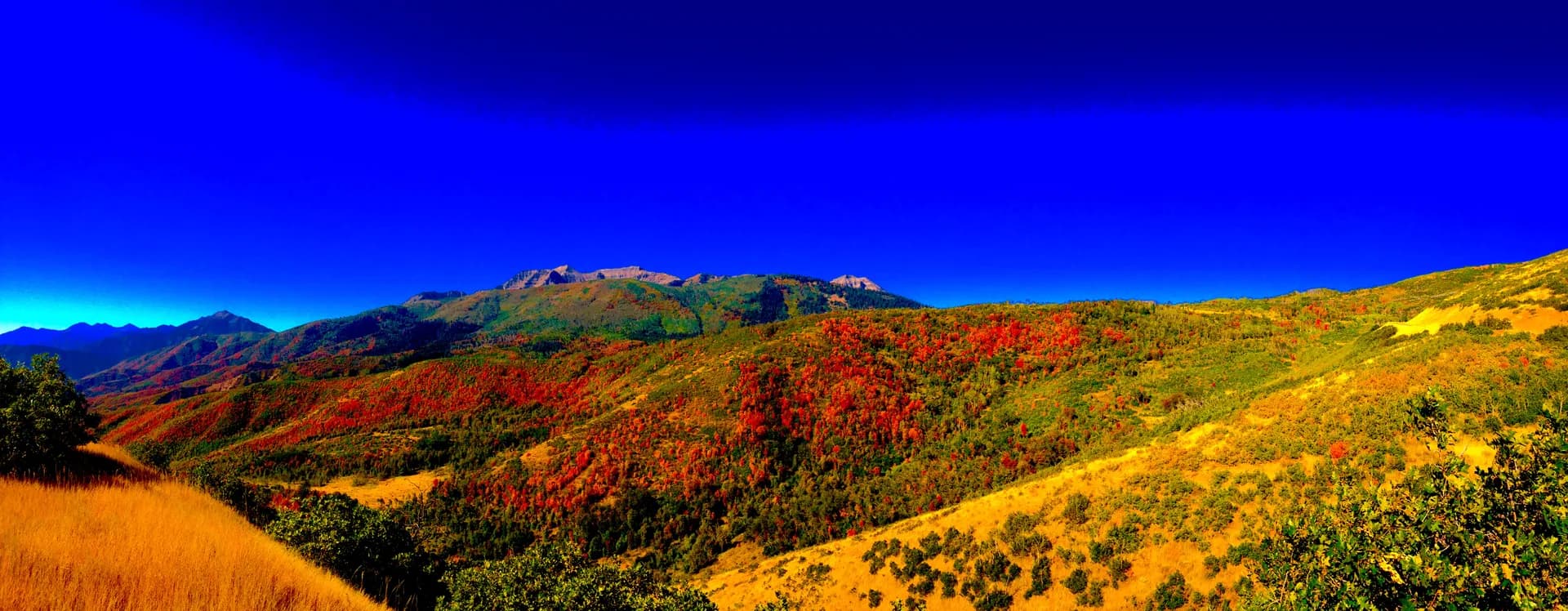
September and October: The best months for experienced hikers. Crowds drop sharply after Labor Day, fall colors in the aspens are spectacular (typically peaking in late September to early October in the Wasatch), and the weather is cooler and more stable. First snowfall at upper elevations usually arrives in October.
Winter (November through May): The Wasatch becomes ski country. Snowbird and Alta in Little Cottonwood Canyon, Brighton and Solitude in Big Cottonwood Canyon. Backcountry skiing and snowshoeing are popular throughout both canyons. Avalanche danger is real and frequently deadly in the Wasatch; check the Utah Avalanche Center forecast before any winter backcountry travel.
Getting There
Salt Lake City International Airport (SLC) is the gateway. The Wasatch canyons are 20 to 40 minutes from the airport by car. Big Cottonwood Canyon (SR-190) and Little Cottonwood Canyon (SR-210) are accessed from the suburb of Cottonwood Heights on the southeast side of the Salt Lake Valley.
American Fork Canyon and the Timpanogos area are about 45 minutes south of SLC via I-15 to the Highland/Alpine exit.
The Uinta Mountains are reached via the Mirror Lake Highway (SR-150) from Kamas, about 60 miles east of SLC. The highway is a scenic two-lane road that climbs to Bald Mountain Pass at 10,715 feet. It's closed in winter.
From Park City, you're already close to the eastern edge of the Wasatch section, with easy access to trails in the Snyderville Basin and the upper reaches of Big Cottonwood Canyon via Guardsman Pass (summer only).
Practical Tips
Altitude: The Wasatch Front sits at about 4,300 feet, and most trailheads start between 6,000 and 8,000 feet. Summit elevations reach 11,000 to 13,000 feet. If you're visiting from sea level, give yourself a day to acclimate before tackling a strenuous hike like Mount Timpanogos.
Water: Carry at least 2 to 3 liters for any full-day hike. The dry mountain air and high altitude cause faster dehydration than you might expect. Remember, you cannot filter and drink from streams in the watershed canyons.
Thunderstorms: Afternoon lightning is common from July through September, especially in the Uintas and on exposed Wasatch ridges. Start early and plan to be below treeline by 1 PM on days with storm potential.
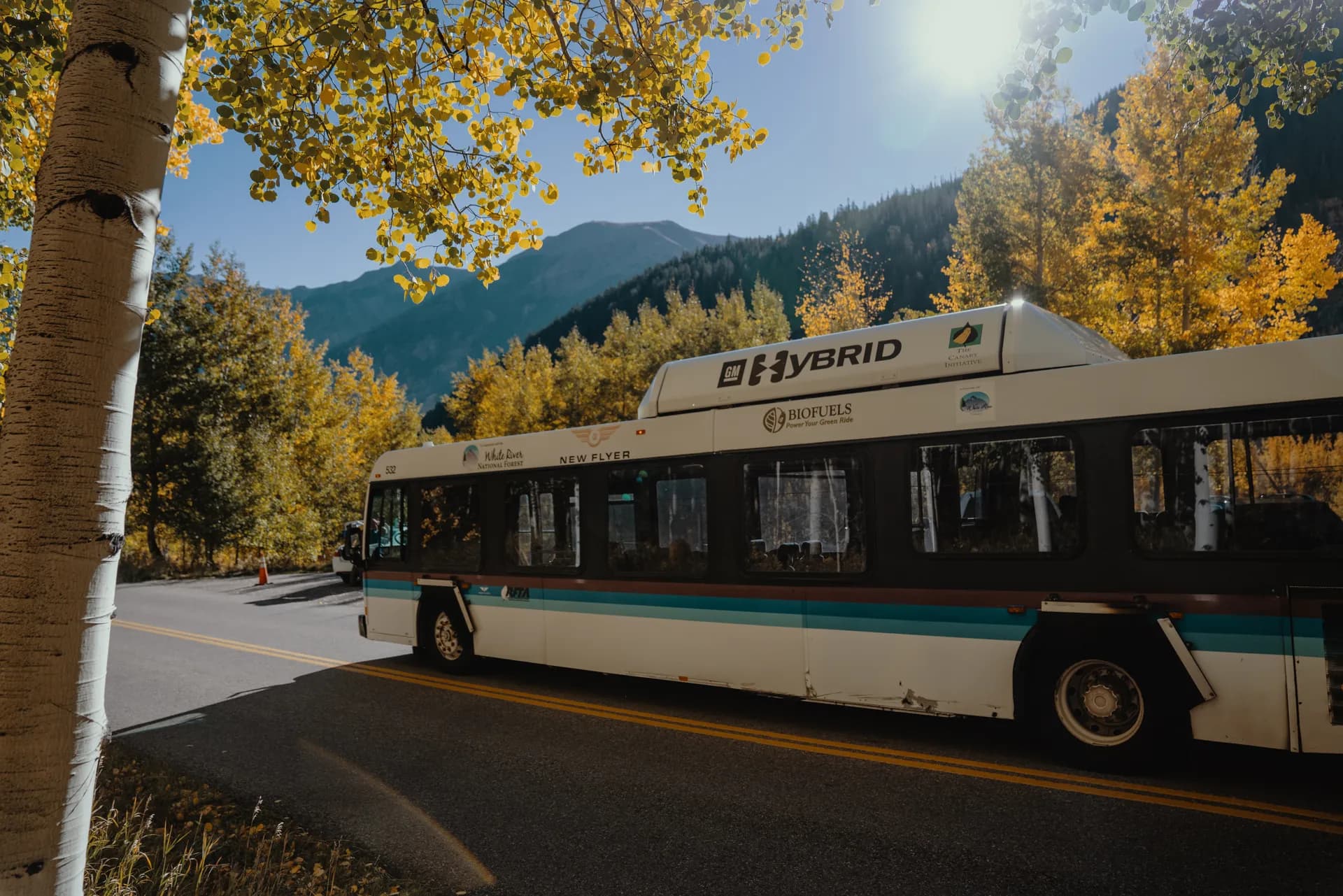
Parking: Wasatch canyon trailheads are notoriously overcrowded on summer weekends. The most popular lots (Lake Blanche, Cecret Lake, Donut Falls) fill early. UTA bus service runs up both Big and Little Cottonwood Canyons on ski season schedules, and summer service is expanding. Check UTA's website for current routes.
No Dogs in Watershed Canyons: This bears repeating. No dogs in Big Cottonwood Canyon or Little Cottonwood Canyon, period. Take your dog to American Fork Canyon, the Bonneville Shoreline Trail, or the Uintas instead.
Uinta-Wasatch-Cache National Forest is the rare combination of world-class alpine terrain and major city proximity. You can fly into SLC, check into a hotel, and be standing at a trailhead in the shadow of 11,000-foot peaks within an hour. The Wasatch canyons deliver steep, rewarding hiking with stunning scenery, and the Uintas offer quieter backcountry for those willing to drive a bit further. Just remember the watershed rules, start early, and bring more water than you think you need.