White River National Forest
2,285,970 acresJune through October
Complete guide to White River National Forest in the Colorado Rockies. Trail recommendations, campgrounds, permits, fourteeners, and trip planning resources.
13 min read
The Centennial State
Fifty-eight fourteeners, endless wildflower meadows, and trails that start above most eastern summits.
Colorado has 58 peaks above 14,000 ft, more than any other state, with 53 of them on national forest land
42 designated wilderness areas protect over 3.7 million acres of Colorado's most pristine backcountry
The Continental Divide Trail crosses 800 miles through Colorado, its longest and highest stretch in any state
Colorado's ski resorts transform into hiking and mountain biking destinations from June through October
Alpine meadows above 10,000 ft explode with columbine, Indian paintbrush, and lupine from late June through August
Most Colorado trailheads start above 8,000 ft. Acclimatize for at least a day before attempting high-altitude hikes
Late June through early October for most trails. Wildflower season peaks in mid-July. Afternoon thunderstorms are common above treeline from July through August. Snow can fall any month above 11,000 ft.
White River National Forest is the most visited national forest in the country, with over 12 million visitors per year.
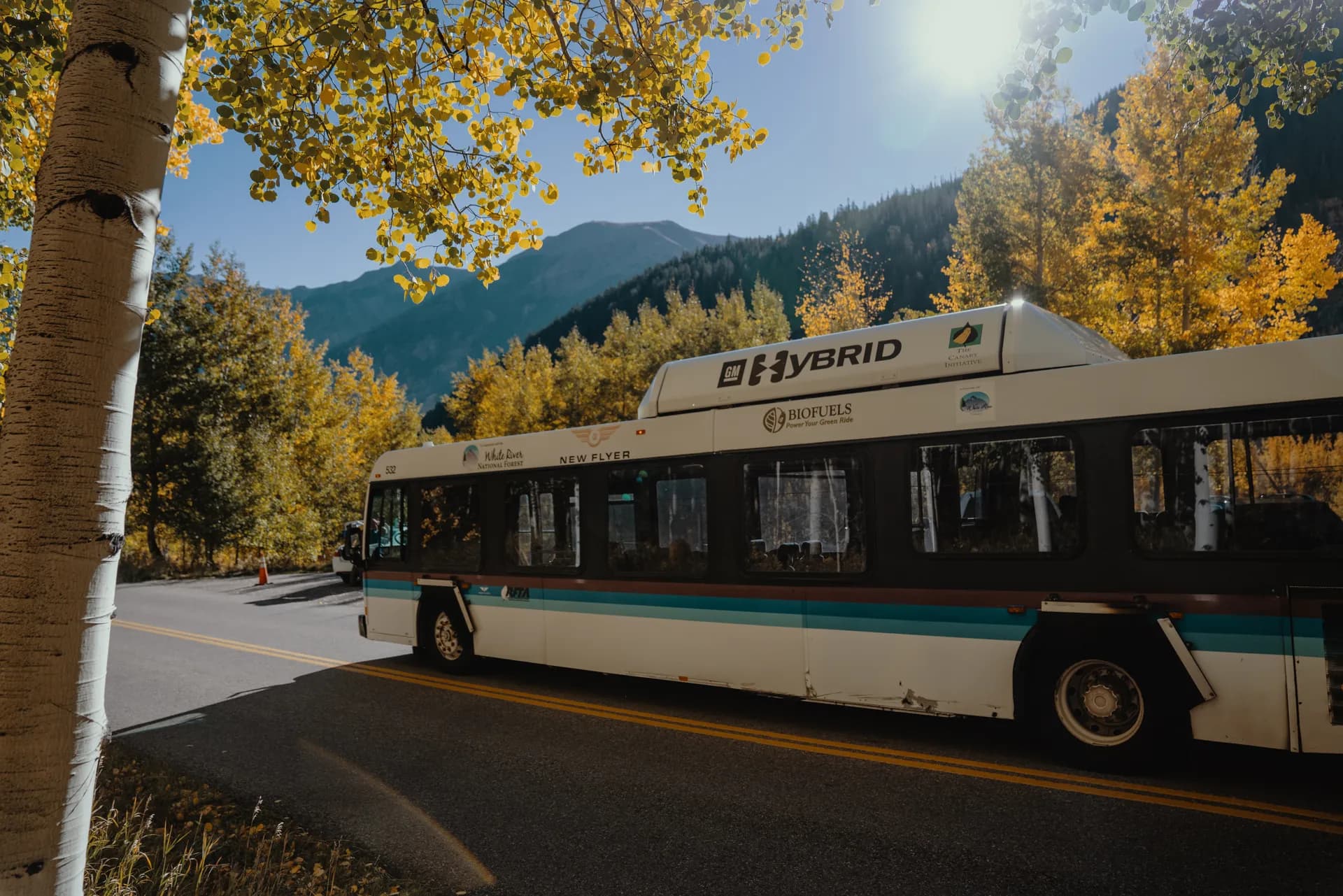
The Maroon Bells in White River National Forest are the most photographed peaks in Colorado, requiring a shuttle bus during peak season.
Colorado's highest paved road reaches 14,130 ft at the summit of Mount Evans, inside Arapaho National Forest.
The Colorado Trail spans 486 miles from Denver to Durango, passing through eight mountain ranges and six national forests.
Rocky Mountain columbine (the state flower) grows wild in most Colorado national forests between 6,000 and 12,000 ft.