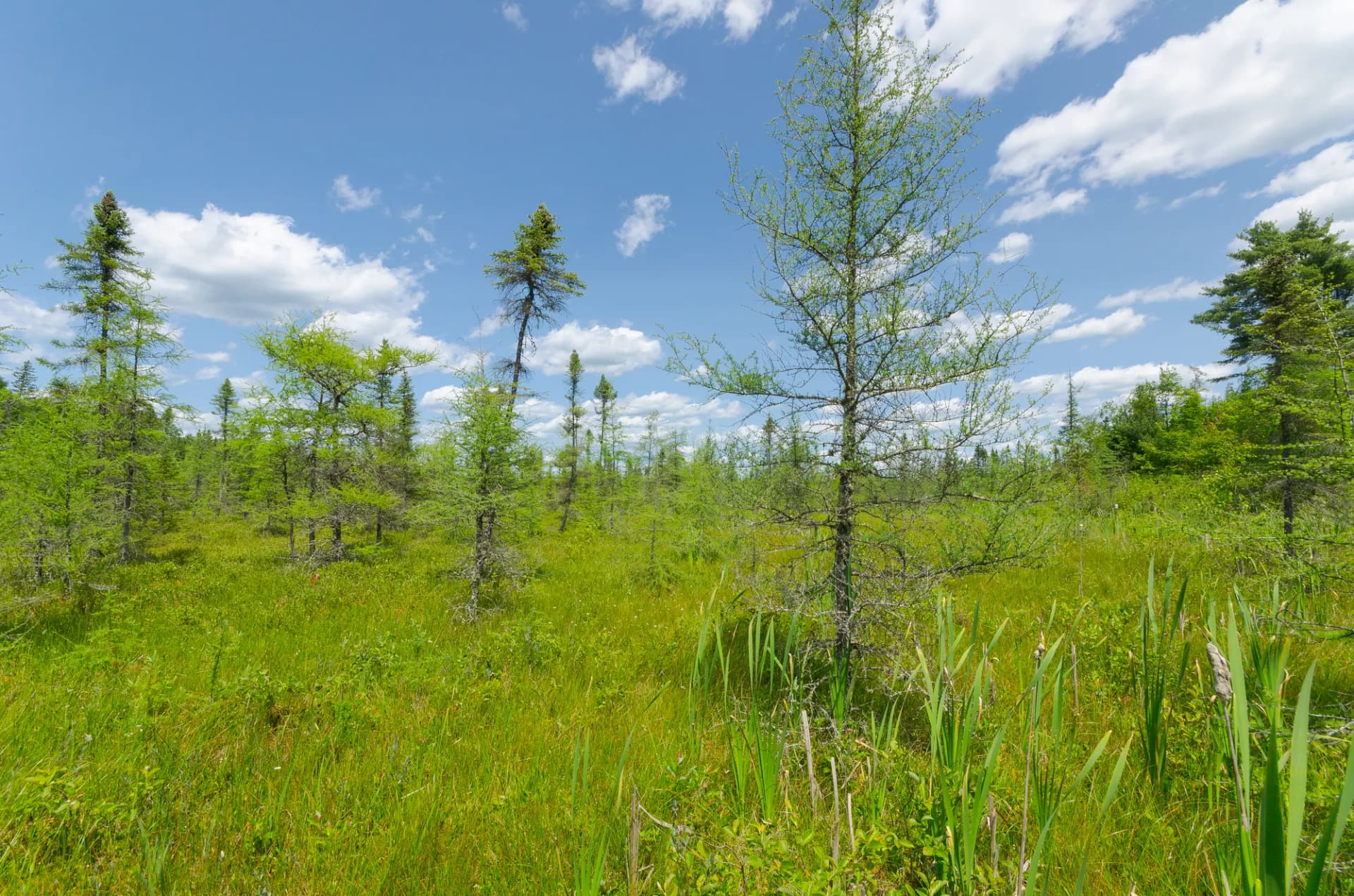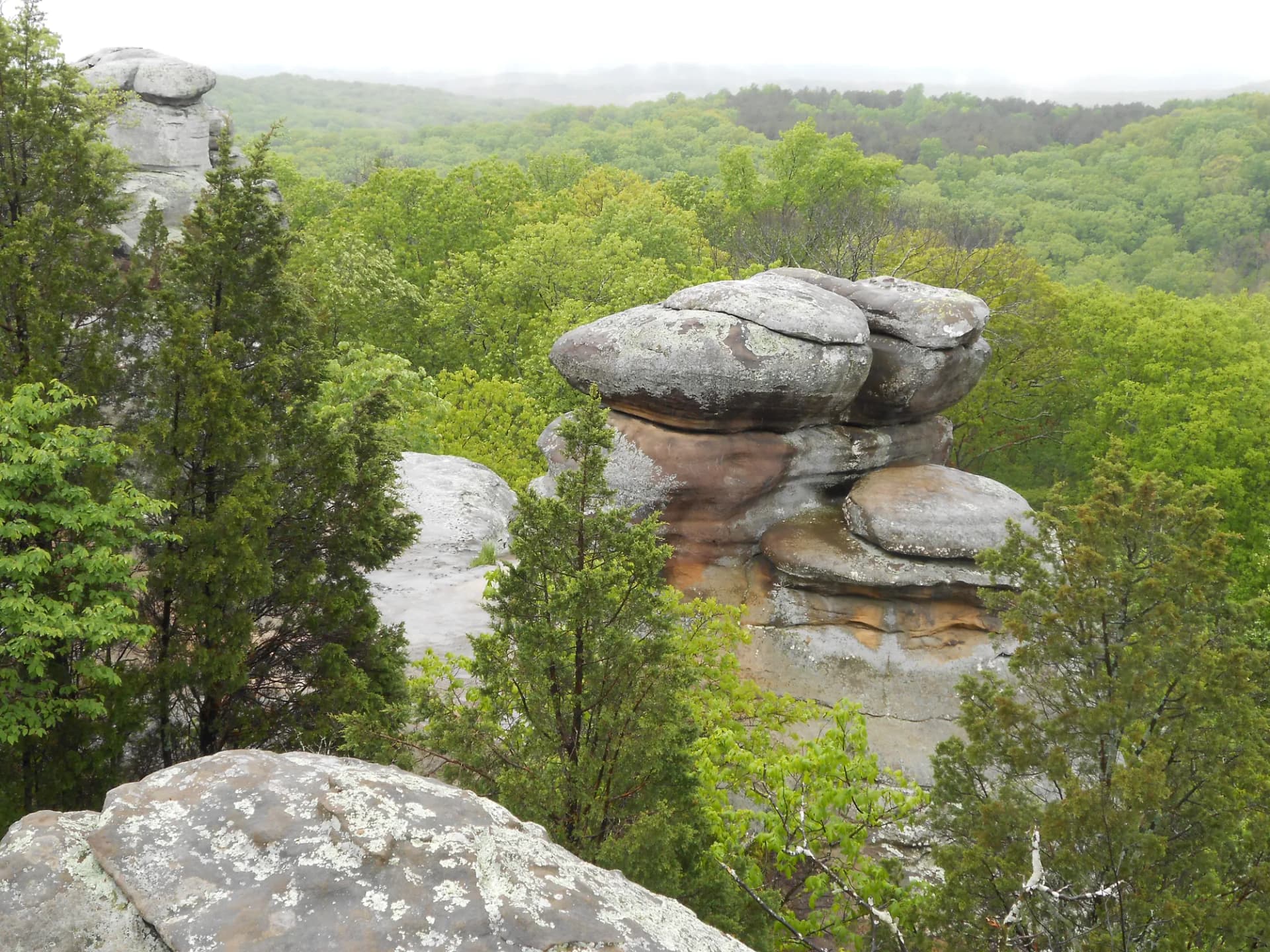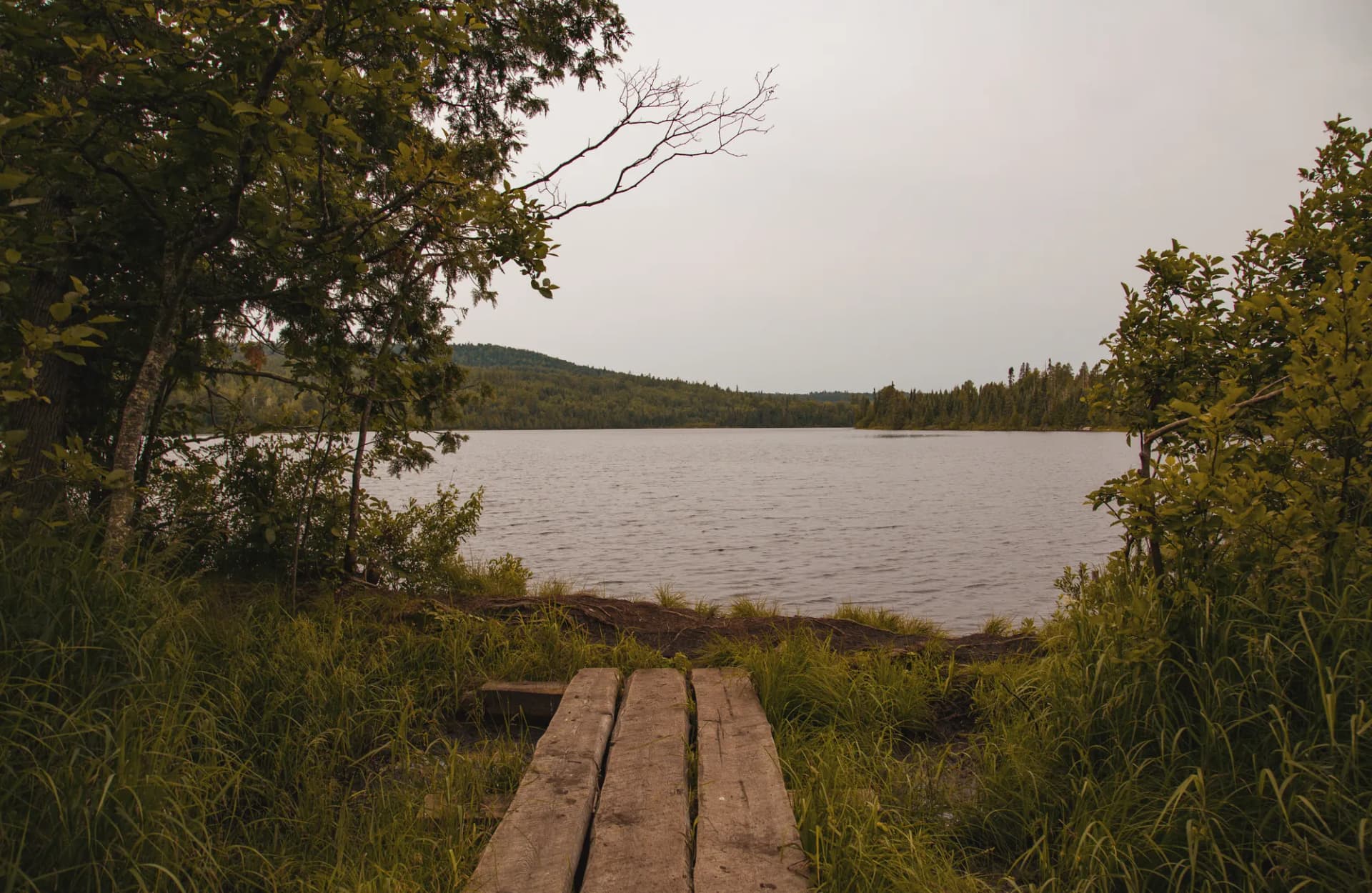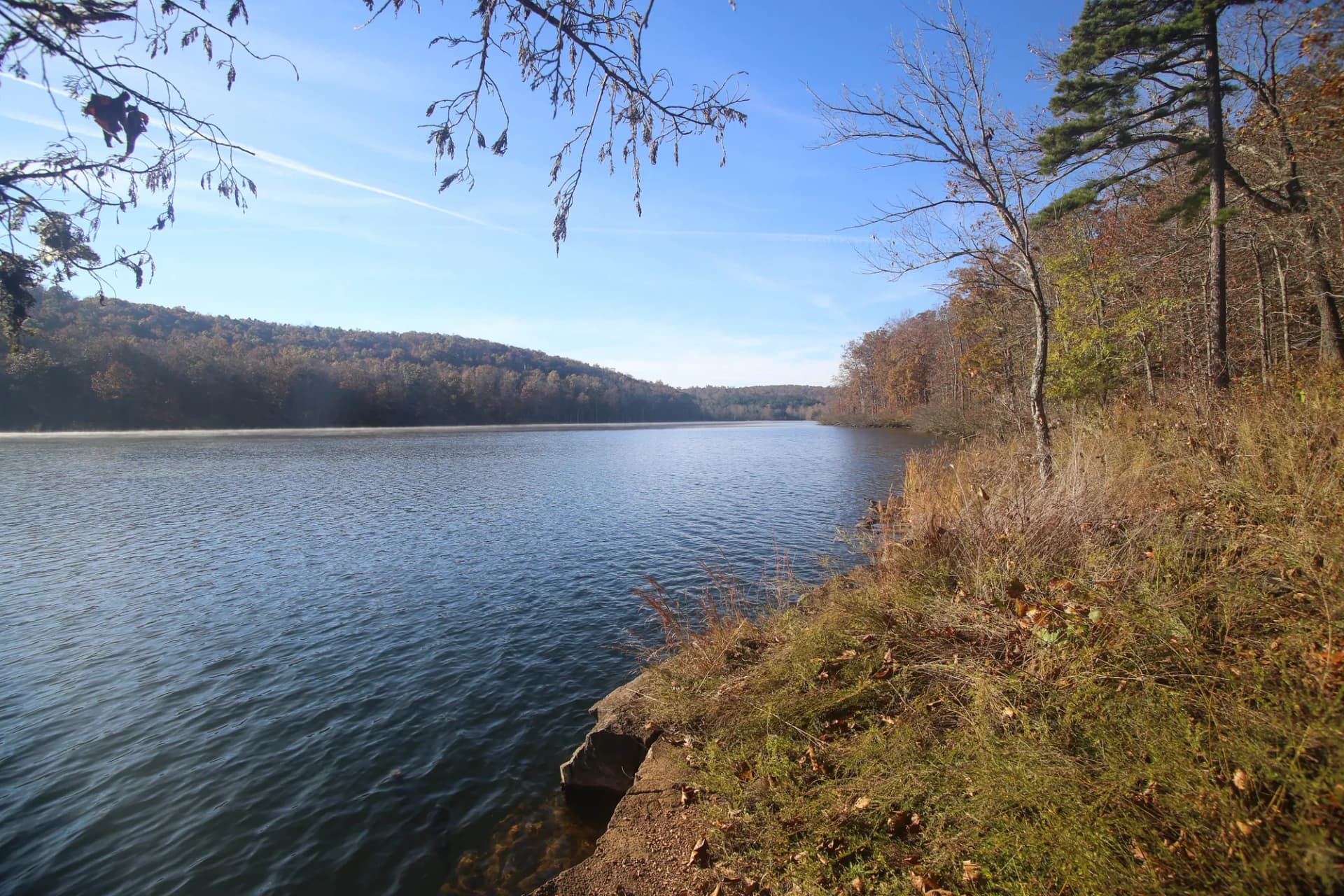
Mark Twain National Forest occupies a large and fractured swath of southern Missouri, spreading across 1.5 million acres in 29 of the state's 114 counties. That scattershot geography reflects the patchwork nature of Missouri land ownership, but within the national forest boundaries lies the best of the Ozark Highlands: spring-fed rivers of remarkable clarity, wooded ridges carved by centuries of water working through soluble dolomite bedrock, and a biodiversity that surprises visitors expecting flat midwestern terrain. The Ozarks are old mountains, worn down to rounded hills and exposed glade rock, and the life they support reflects that ancient, complex geology.
The forest is named for Samuel Clemens, who grew up along the Mississippi River at the eastern edge of Ozark country and drew on this landscape throughout his writing. The name fits there is a literary quality to the Ozarks, a sense of deep particularity about the land that rewards close attention. Each glade, each spring, each creek drainage has its own character. Biologists know the region as one of the most biologically diverse in the interior United States, with an outsized concentration of endemic species in its streams, caves, and rocky glades.
Seven federally designated wilderness areas protect the most intact Ozark ecosystems within the forest: Hercules Glades, Bell Mountain, Paddy Creek, Piney Creek, Rock Pile Mountain, Devil's Backbone, and Irish Wilderness. These are genuine backcountry destinations, not just paper protections. Irish Wilderness, at nearly 17,000 acres, is the largest; Bell Mountain, at about 9,000 acres, includes the highest peak in the forest.
Why Mark Twain Stands Out
Seven Wilderness Areas in One Forest
Seven wilderness areas in a single national forest is unusual for the Midwest. These areas protect habitats that are increasingly rare in the region: unmanaged old-growth timber, pristine karst springs, dolomite glades that support prairie grasses and wildflowers more typical of grassland regions. The Devil's Backbone Loop and Paddy Creek Wilderness Loop offer accessible introductions to wilderness hiking in the Ozarks.
Spring-Fed Rivers and World-Class Fishing
The Ozark region is underlain by porous dolomite, and groundwater emerges as springs throughout the forest some outputting millions of gallons daily. These springs feed rivers of exceptional clarity and temperature stability. The Current River, designated Wild and Scenic, is one of the most popular canoe routes in the Midwest. The Big Piney, Gasconade, and Jacks Fork are also excellent. Native Ozark bass, rainbow trout (in stocked sections), and smallmouth bass attract anglers from across the region.
The Ozark Trail
The Ozark Trail is a developing long-distance trail system planned to eventually connect the St. Louis area to the Arkansas Ozarks. Multiple sections already pass through Mark Twain National Forest, and the Ozark Trail Mark Twain Section offers a representative sample of trail through hardwood ridges and creek drainages. The trail is maintained by a strong volunteer organization and is generally in good condition.
Best Trails in Mark Twain National Forest
The 750-mile trail system covers terrain from gentle lake loops to rugged wilderness ridges. The Big Piney Trail is the forest's longest continuous trail at 12 miles out and back, following the Big Piney River through remote hardwood terrain. The Devil's Backbone Loop earns its name with a rocky ridge traverse through the Devil's Backbone Wilderness. For a gentler introduction, the Council Bluff Lake Loop circles a 900-acre reservoir through oak-hickory forest. The Lost Valley Trail is a short 2-mile walk along a spring-fed creek popular with families.
Permits and Passes
Most trail use and dispersed camping in Mark Twain National Forest is free and requires no permit. Some developed recreation areas charge day-use fees (as of 2026). The America the Beautiful pass covers fees at participating sites. Veteran and military pass holders should see the veteran benefits guide for applicable discounts.
Always verify current permit requirements, particularly for group use and some popular recreation areas. Check conditions before your visit, especially in spring when rivers run high and some forest roads may be flooded.
Camping
Mark Twain National Forest has numerous developed campgrounds, particularly around its lakes and rivers. Council Bluff Lake Campground near Potosi has 53 sites and good lake access. Noblett Lake Campground in the Willow Springs area has 28 sites in a quieter setting. Dispersed camping is permitted throughout most of the forest and is a popular option for backpackers using the Ozark Trail and wilderness areas.
Campfire restrictions can apply during dry summer periods. Always check current fire conditions before your trip, and follow Leave No Trace principles throughout.
When to Visit
Spring (April through June) and fall (September through November) are the sweet spots. Spring brings wildflowers, running water, good trail conditions, and temperatures in the 50s-70s. Ozark spring wildflower diversity is exceptional bloodroot, trout lily, wild columbine, and trillium are common. Fall brings hardwood color and cooling temperatures.
Summer (July through August) is hot and humid typical Missouri summer with temperatures in the high 80s-90s. Ticks and chiggers are a genuine concern from late April through October; tuck in pants, check after every outing. Winter is mild by Midwest standards and many trails remain hikeable year-round.
Getting There
Mark Twain National Forest is spread across southern Missouri in multiple units. The main Ranger District offices are in Rolla, Salem, Potosi, Doniphan, and Ava. US Interstate 44 bisects the northern portion of the forest; US-60 covers the south. From St. Louis, take I-44 west to reach the Salem and Rolla districts. From Kansas City, take I-44 east or US-60 east.
Cell coverage is spotty throughout the forest. Download offline maps before your trip and check road conditions in spring when low-water crossings and gravel roads may be impassable.
Practical Tips
Ticks and chiggers are a significant consideration from late April through October. Tuck pants into socks, use DEET-based repellent, and do a thorough check after every outing. Lone Star ticks and black-legged ticks are both present in Missouri Ozark forests.
Copperhead and timber rattlesnakes are present in rocky areas and along waterways. They are generally not aggressive but merit caution on rocky trails and when stepping over logs or rocks. Missouri's venomous snake season runs roughly April through October.
Water in the Ozarks is generally good-looking, but all backcountry water should be treated. Springs and spring branches are the cleanest sources.
Planning Your Trip
For a first visit, the Current River area near Van Buren or Eminence is the most iconic Missouri Ozark destination, with river floating, good campgrounds, and access to Ozark Trail sections. The Salem Ranger District manages much of this area and can provide current conditions and floating permit information. The national forests vs. national parks guide has useful context on the differences in access rules between national forests and the nearby Ozark National Scenic Riverways (a National Park Service unit).