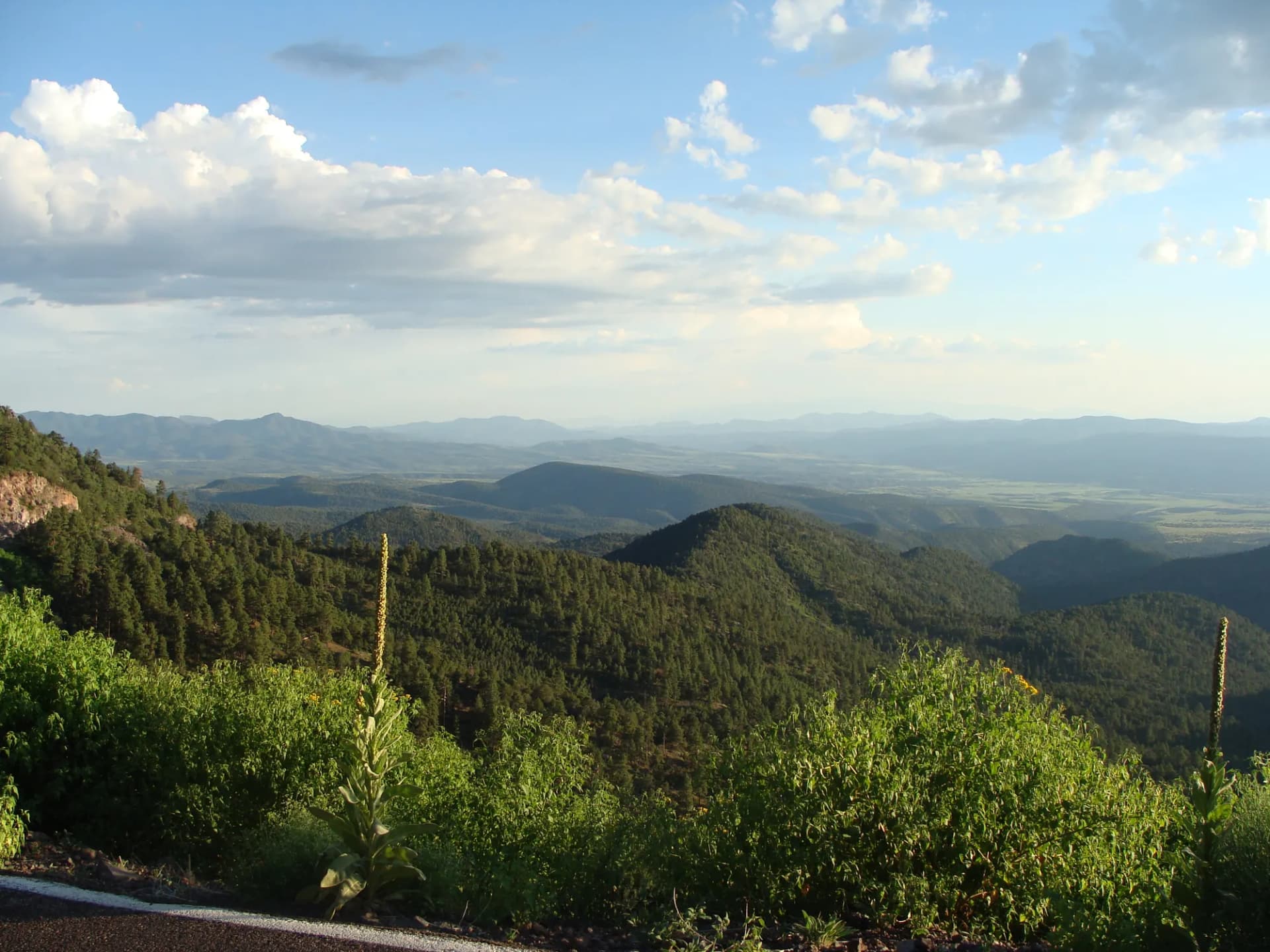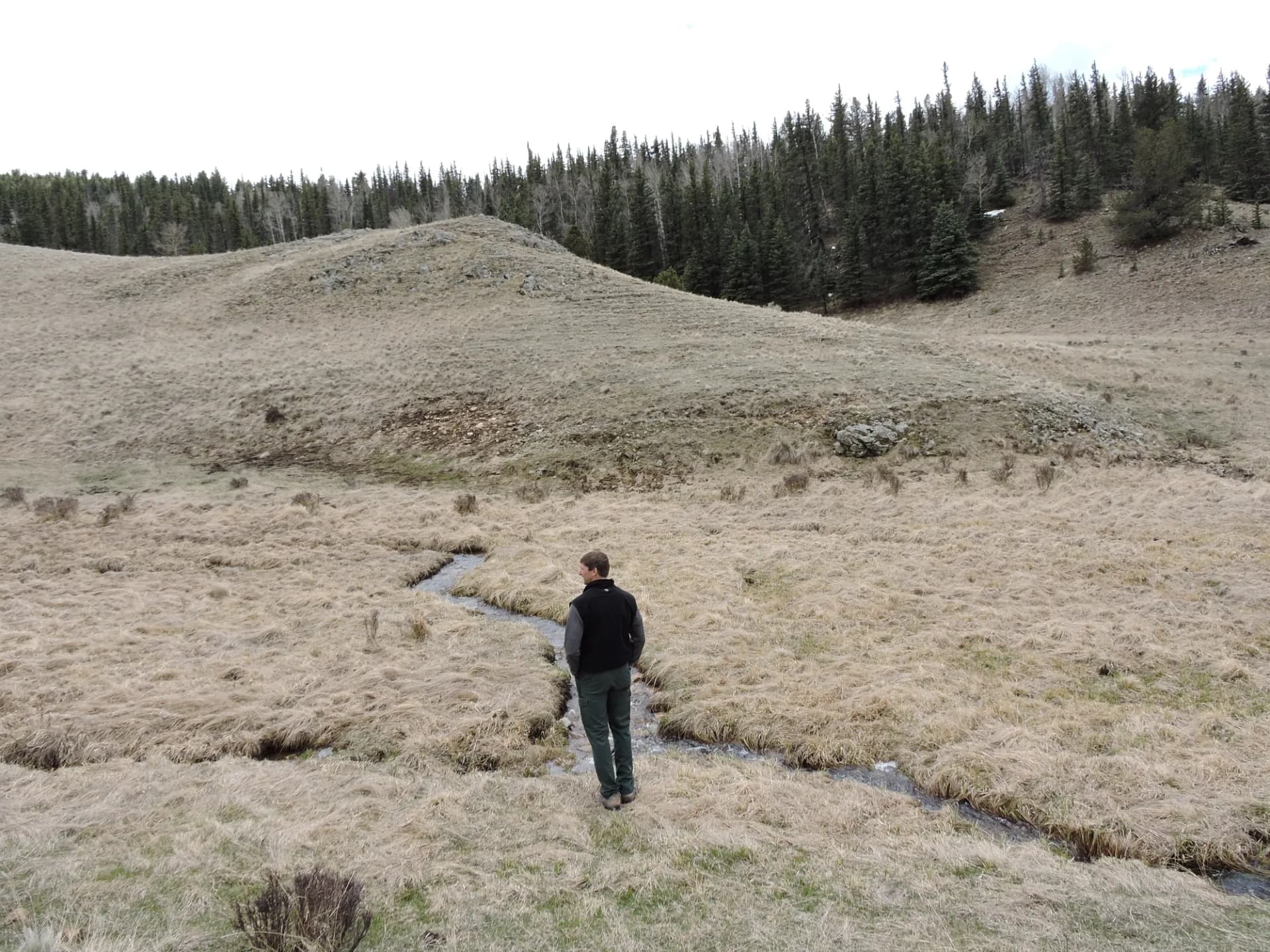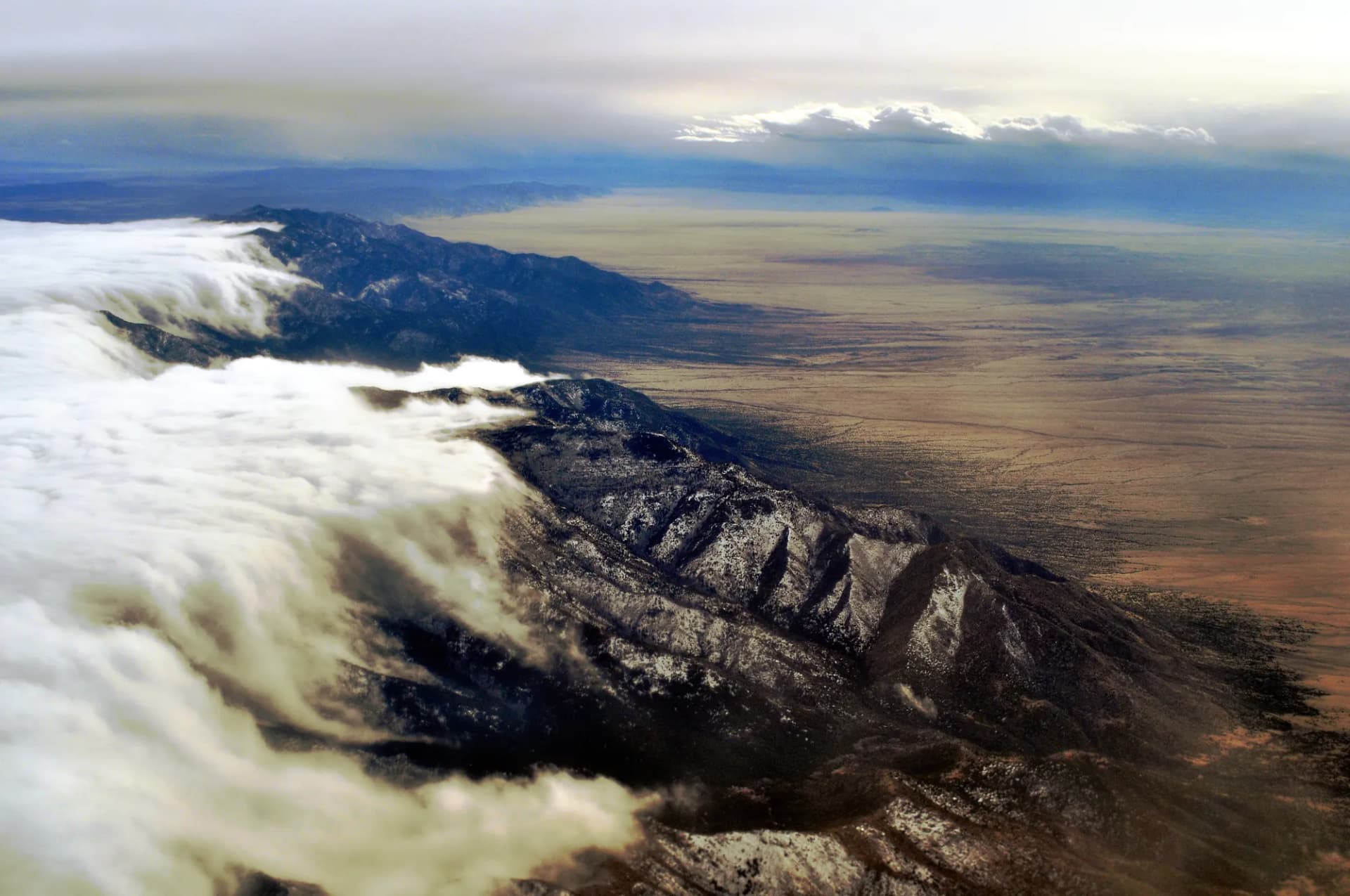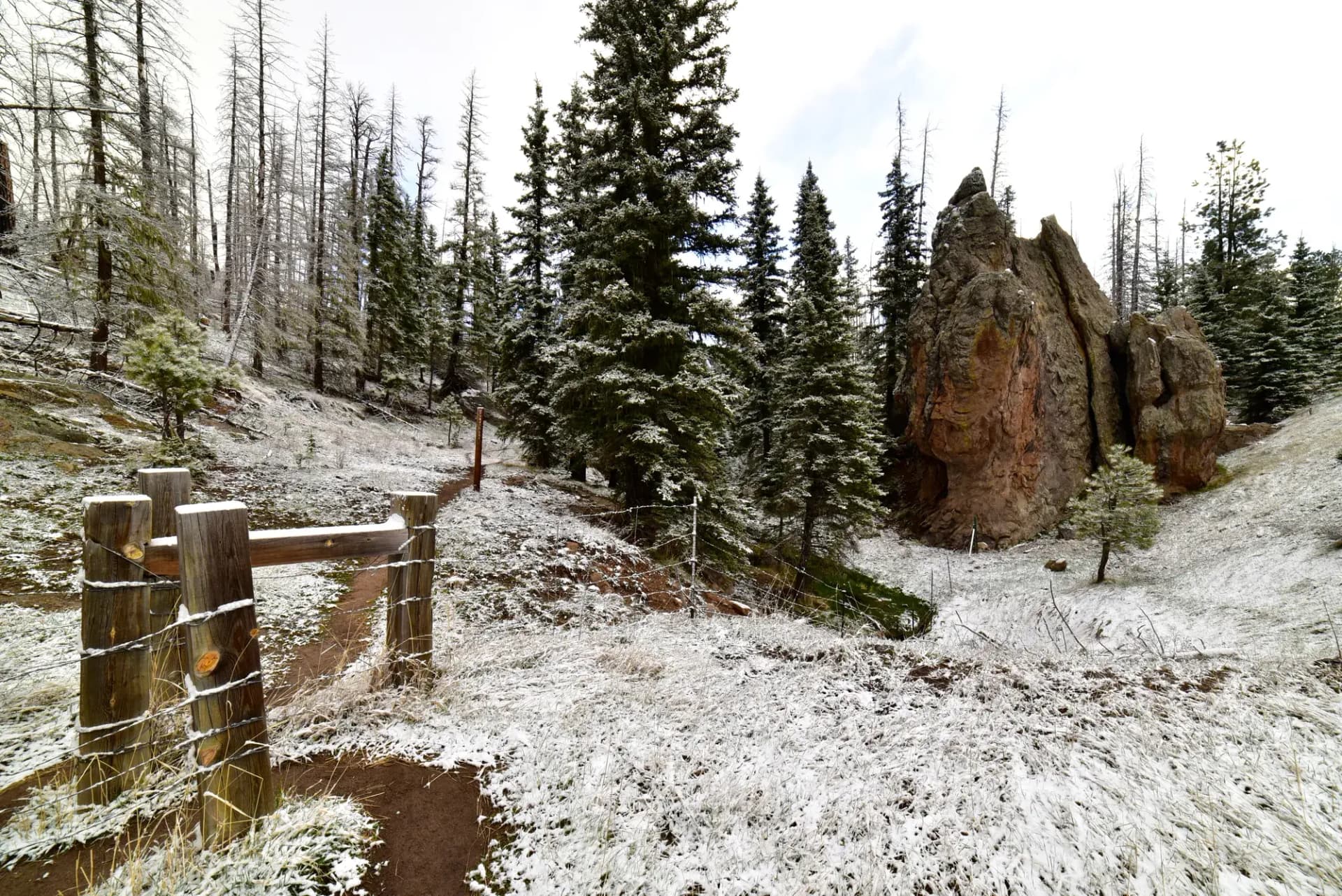
Santa Fe National Forest is one of the most historically layered national forests in the American Southwest, occupying the mountains above one of the oldest continually inhabited cities in North America. The forest wraps around the upper elevations of both the Sangre de Cristo Range to the east and the Jemez Mountains to the west, creating two distinct hiking landscapes separated by the Rio Grande Valley. From the visitor center in Santa Fe, major wilderness trailheads are reachable in 30 minutes.
The Sangre de Cristo section holds the Pecos Wilderness, where peaks rise to nearly 13,000 feet and alpine lakes sit in glacial basins that see far fewer visitors than comparable terrain in Colorado. Lake Katherine and Santa Fe Baldy are the signature objectives: demanding enough to filter out casual hikers but achievable for fit day hikers or those willing to camp in the wilderness. The Jemez Mountains to the west are a completely different proposition: a broad volcanic plateau dissected by canyons, with hot springs, waterfalls, and hiking that ranges from easy to moderate. The two areas reward different kinds of trips and can be combined over a long weekend.
Why Santa Fe Stands Out
Two Distinct Landscapes in One Forest. Most national forests offer one dominant landscape. Santa Fe National Forest offers two, and they are strikingly different. The Sangre de Cristo peaks and Pecos Wilderness represent the southern extent of the Rocky Mountain alpine zone: high, cold, with seasonal snowpack and a classic summit-and-lake character. The Jemez Mountains are the remnant of a collapsed supervolcano caldera, now a broad plateau with hot springs, ponderosa forests, and the red-rock canyon of the East Fork Jemez River. Linking both on a single trip is one of the best multi-day itineraries in New Mexico.
Urban Wilderness Access. The Windsor Trail system from Santa Fe Ski Basin puts genuine wilderness within arm's reach of the state capital. The trailhead parking lot at 10,300 feet is one of the highest starting points for a major wilderness route in the Southwest. Hikers can leave downtown Santa Fe after breakfast, gain the summit of Santa Fe Baldy at 12,622 feet, and be back in the city for dinner. Few forests anywhere in the country offer this combination of urban proximity and wilderness depth.
Cultural Landscape. Santa Fe National Forest borders and in some places overlaps with the lands of multiple Pueblo communities, including Pojoaque, Nambé, Tesuque, and others. The mountains hold sacred sites, traditional gathering areas, and place names that reflect thousands of years of continuous human presence. Treat the landscape with corresponding respect, stay on designated trails in culturally sensitive areas, and observe any posted access restrictions.
Best Trails in Santa Fe National Forest
Lake Katherine via Windsor Trail (9 miles round trip) is the most scenic destination in the Pecos Wilderness accessible via Santa Fe. The trail climbs from the ski basin through spruce-fir forest to a stunning cirque lake at 11,742 feet below the east face of Lake Peak. The final approach crosses a boulder field below the lake's outlet. See the Lake Katherine trail guide.
Santa Fe Baldy (12 miles round trip) is the highest accessible summit in the immediate Santa Fe area at 12,622 feet. The route follows the Windsor Trail through the Pecos Wilderness with 3,800 feet of gain. The summit provides views across northern New Mexico from the Jemez Mountains to the high peaks of the Taos area. See the Santa Fe Baldy trail guide.
Nambe Lake (7 miles round trip) is a quieter alternative to the Lake Katherine approach, reaching a high alpine lake below Nambe Peak via the Nambe Creek drainage. The route is less traveled and the upper basin has a more remote feel. See the Nambe Lake trail guide.
Jemez Mountain Trail (8 miles round trip) explores the volcanic plateau of the Jemez Mountains, a completely different environment from the Sangre de Cristo routes. Ponderosa and mixed conifer forest, canyon views, and dramatic red-rock geology characterize this route. See the Jemez Mountain Trail guide.
Permits and Passes
Santa Fe National Forest does not require wilderness permits for entry into the Pecos Wilderness as of 2026. No fee is charged for trail access or day hiking. Campground fees apply at developed sites. Dispersed camping in the wilderness is free.
Fire restrictions are common and can escalate to full forest closures, particularly in the Jemez Mountains in spring and early summer. Check current restrictions at the forest website and InciWeb before any trip. The America the Beautiful Pass is not required for Santa Fe NF day hiking but is accepted at fee areas associated with the forest.
Camping
Black Canyon Campground on the Hyde Park Road east of Santa Fe is the most popular developed option near the Sangre de Cristo trailheads. Its 44 sites are reservable through recreation.gov and fill on summer weekends. Jemez Falls Campground on the west side near the Jemez Springs area offers 52 sites with access to Jemez waterfall hikes.
Backpacking camps in the Pecos Wilderness are dispersed. The most popular areas are near Holy Ghost Creek, the Pecos River upper drainage, and the high basins below Lake Katherine and Nambe Lake. Follow Leave No Trace practices and maintain the required 200-foot buffer from water sources. Review the national forest camping guide for dispersed camping protocols.
When to Visit
June through October is the primary hiking season in the Sangre de Cristo section. High peaks can hold snow through late May. Afternoon monsoon thunderstorms arrive in mid-July and continue through September, bringing daily lightning risk on exposed ridges. Morning starts are essential for summit routes. The monsoon also brings cooler temperatures and green vegetation to an otherwise arid landscape.
The Jemez Mountains are accessible from late April through November at lower elevations. Spring fire season can result in closures; summer monsoon brings relief from fire risk. Fall is the most reliable season in both areas.
Getting There
The primary Sangre de Cristo access is from Santa Fe via New Mexico Highway 475 (Hyde Park Road). The road climbs from Santa Fe to Santa Fe Ski Basin at 10,300 feet, passing Hyde Memorial State Park and Black Canyon Campground en route. The drive takes 30 to 40 minutes from downtown Santa Fe.
For the Jemez Mountains, take US-285 north from Santa Fe to Pojoaque, then New Mexico Highway 502 west toward Jemez Springs. The Jemez Springs area and Jemez Falls Campground are approximately 1.5 hours from Santa Fe. Highway 4 through the Jemez is a scenic route that passes Los Alamos and Valle Grande (Valles Caldera National Preserve) before reaching the main Jemez hiking corridors.
Practical Tips
Altitude affects everyone differently. Santa Fe's 7,000-foot elevation helps visitors acclimatize before heading higher, but the jump to 12,000-foot summits is significant. Consider spending at least one night in Santa Fe before attempting the highest peaks. Individual altitude responses vary; consult a physician if you have cardiovascular or respiratory conditions.
Water is available from springs and streams in the Pecos Wilderness but should be filtered or treated. In the Jemez Mountains, hot springs are present but not suitable as drinking water sources.
Bears are present in both the Sangre de Cristo and Jemez mountains. Store food properly on overnight trips and follow current USFS guidance on food storage requirements. See the bear canister requirements guide for current recommendations.
Planning Your Trip
Santa Fe National Forest is managed by three ranger districts: Española, Jemez, and Pecos/Las Vegas. The Pecos/Las Vegas Ranger District covers the Pecos Wilderness; the Española District covers the northern Sangre de Cristo and some Jemez areas; the Jemez District covers the main Jemez Mountains.
For comparison with neighboring forests, Carson National Forest to the north covers the Taos area including Wheeler Peak, New Mexico's highest point. Cibola National Forest to the south includes the Sandia Mountains directly east of Albuquerque. The three forests together form the backbone of New Mexico's highland recreation corridor.
Review Leave No Trace principles before any trip into the Pecos Wilderness. The high-use trails near Santa Fe Ski Basin show cumulative impacts from heavy visitor traffic; careful trail stewardship makes a measurable difference.
Veterans and active military can use the Military Annual Pass at federal fee areas associated with the forest. See the veteran benefits guide for a full summary.