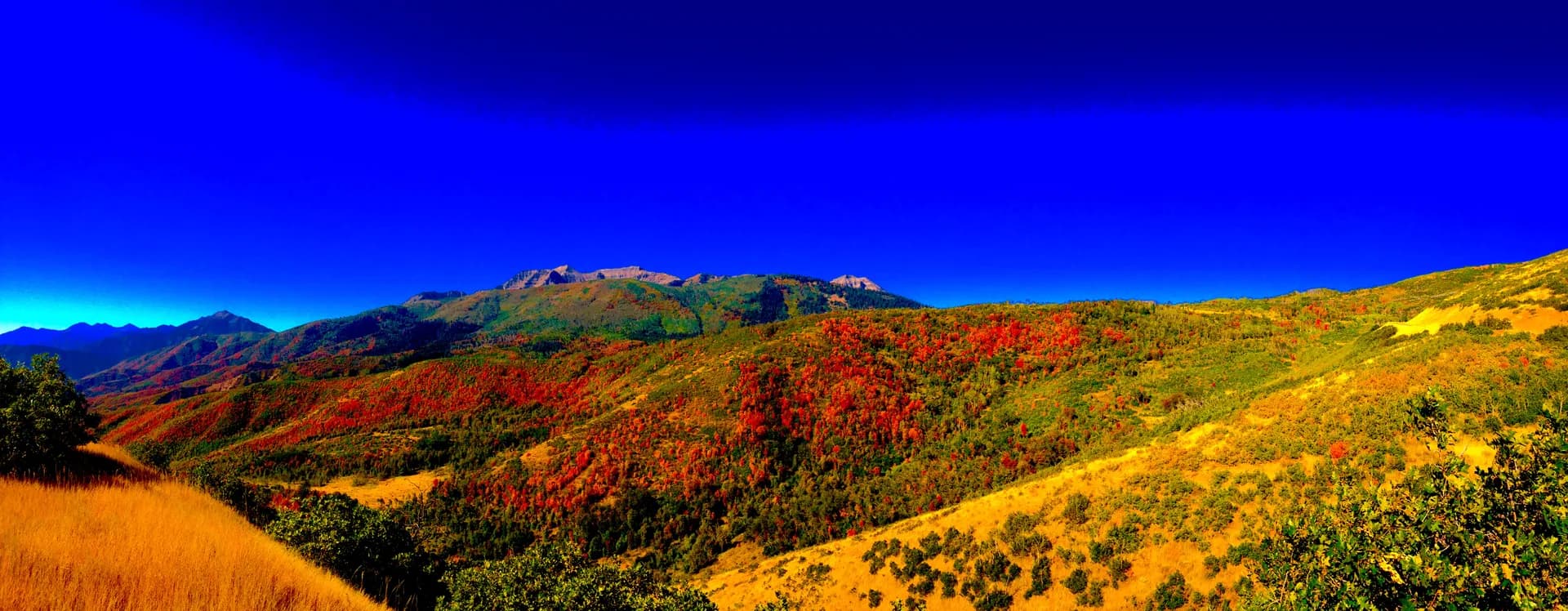
Arapaho and Roosevelt National Forests cover 1.5 million acres along Colorado's Front Range, stretching from the peaks above Boulder north through Rocky Mountain National Park's southern neighbor lands and into the mountains west of Fort Collins. These two forests are administered together under a single ranger district system, and for most visitors they function as one place: the mountain backdrop that defines the view from Denver and Boulder, and the most accessible high alpine terrain in the central Rocky Mountains.
The forests contain the Indian Peaks Wilderness, which sees more visitors annually than any other wilderness area in the United States. That distinction tells you something about the terrain here. Within a two-hour drive of five million people, you can stand on a 13,000-foot ridge above the Continental Divide surrounded by glacially carved cirques, wildflower meadows, and alpine lakes. The combination of proximity to a major metro area and genuine mountain wilderness is rare, and it draws hikers from across the country.
Why Arapaho-Roosevelt Stands Out
Front Range Access
No other national forest in the country puts alpine terrain this dramatic this close to such a large population. From downtown Denver, you can reach the Brainard Lake Recreation Area in about 90 minutes, with trailheads at 10,500 feet that lead directly into wilderness terrain above 13,000 feet. Boulder is even closer, about an hour up US-36 and then the Peak-to-Peak Highway to Ward. The forests have been absorbing Front Range recreational pressure for over a century, and while that means summer crowds at popular areas like Brainard Lake, it also means well-maintained trails, clear signage, and accessible infrastructure.
The forests stretch across multiple ranger districts, from the Sulphur Ranger District on the west side of the Continental Divide to the Boulder Ranger District covering the Indian Peaks corridor, to the Canyon Lakes and Pawnee districts in the northern sections above Fort Collins. Each district has its own character and its own trailhead access points, which spreads the visitor load across a large area.
Indian Peaks Wilderness
The Indian Peaks Wilderness covers 76,711 acres immediately south of Rocky Mountain National Park. The terrain is classic Colorado alpine: granite peaks, permanent snowfields, glacial lakes, and above-treeline terrain that stays snowbound until early July most years. The peaks themselves range from about 12,000 to over 13,000 feet and include named summits like Mount Audubon, Navajo Peak, Apache Peak, and Pawnee Peak.
The wilderness is known for intense summer wildflower displays, particularly in late July. Indian paintbrush, columbine, and alpine sunflowers carpet the meadows along the major trail corridors between Long Lake and the high passes. The Indian Peaks name comes from the Native American names given to many of the peaks during early survey work, a naming pattern distinct from the generic directional names given to the Three Sisters or the numbered peaks common elsewhere in the Rockies.
Alpine Terrain Breadth
Beyond Indian Peaks, the forests contain two additional wilderness areas. The Rawah Wilderness in the northern sections of Roosevelt National Forest near the Wyoming border protects a quieter, more remote alpine zone with 26 lakes and far fewer visitors than Indian Peaks. The Cache la Poudre Wilderness, smaller at about 9,000 acres, protects the lower canyon of the Cache la Poudre River. The river itself carries the only Wild and Scenic River designation in Colorado, a recognition of its undammed, free-flowing character through a granite canyon west of Fort Collins.
The forests also cover significant lower-elevation terrain including the Peak-to-Peak Highway corridor, the Roosevelt National Forest ponderosa pine foothills east of Boulder, and the Never Summer Range on the western side of the Continental Divide. This variety means you can find hiking at any elevation from 5,500 feet to over 13,000 feet, depending on your starting point and the time of year.
Best Trails
Mount Audubon
The signature summit accessible from Brainard Lake. This 8-mile out-and-back gains 2,760 feet to reach the 13,223-foot summit of Mount Audubon, the highest named peak accessible by trail in the Indian Peaks. The views from the top cover the entire Continental Divide from Longs Peak north to the Never Summer Range, with the Brainard Lake basin and Long Lake directly below. The trailhead at Mitchell Lake Trailhead sits at 10,480 feet, so you begin high and climb into the alpine zone quickly. Many hikers find the upper mile above treeline the most challenging, both for the rocky terrain and the altitude. The $15 Brainard Lake day-use fee applies.
Pawnee Pass Trail
The classic Indian Peaks through-route, following a 12-mile out-and-back from Long Lake Trailhead over the Continental Divide to Pawnee Pass at 12,541 feet. On the east side, the trail passes through the Long Lake and Lake Isabelle basins, both stunning alpine settings. At the pass itself, the view west opens onto the Grand Lake area and the headwaters of the Colorado River. Overnight camping in Indian Peaks Wilderness requires a permit ($6 per group per night, reserved through Recreation.gov). This is one of the best backpacking routes in the Front Range.
Blue Lake Trail
A more accessible option from the same Brainard Lake area. This 5-mile out-and-back climbs 1,600 feet to a vivid alpine lake beneath the north face of Mount Toll. The lake's color comes from glacial flour suspended in the water, a brilliant aquamarine that photographs almost unbelievably well. The trail is considered moderate and is popular with families who are comfortable with the altitude and the rocky upper section.
Long Lake Loop
The easiest option at Brainard Lake: a 2.6-mile loop around Long Lake at 10,500 feet. The trail is essentially flat, gaining only 200 feet over its full distance, and puts you in genuine alpine terrain without a strenuous climb. In late July, the meadows along the north shore of the lake are packed with wildflowers. This is one of the more accessible alpine walks in Colorado for visitors new to high elevation.
Permits and Passes
The Brainard Lake Recreation Area uses a quota system during its peak season, typically late June through mid-October. The $15 per vehicle day-use fee is required regardless of whether you hold an America the Beautiful pass - the fee is specific to this recreation area and is used to fund shuttle services and facilities. The parking lots fill quickly on summer weekends, often by 8 or 9 AM. The forest service has operated a mandatory shuttle system from overflow parking on busy weekends; check the current-year regulations through the Boulder Ranger District before your visit, as the system's details have changed from year to year.
Overnight camping in Indian Peaks Wilderness requires a reservation through Recreation.gov. As of 2026, the overnight permit costs $6 per group per night and is required from approximately June 1 through September 15. Permits for popular dates, particularly weekends in July and August, sell out quickly after the reservation window opens each spring. Check recreation.gov for current dates and availability. Verify all current permit requirements before your trip, as regulations change seasonally.
Day hike permits are not currently required for Indian Peaks Wilderness beyond the Brainard Lake area day-use fee, but the forest service has indicated that day-use permits for the wilderness itself may be implemented in the future given visitor volume pressures.
See our national forest camping permit guide for general guidance on reservation systems, and check the America the Beautiful pass page for information on interagency passes.
Camping
Peaceful Valley Campground sits on Middle Saint Vrain Creek about 20 miles west of Longmont, at around 8,500 feet. It offers 17 sites ($23 per night), vault toilets, and water. This is one of the main staging areas for the Buchanan Pass Trail and other routes into the southern Indian Peaks. Sites are reservable through Recreation.gov and book up for summer weekends well in advance.
Rainbow Lakes Campground is a small, quiet campground north of Nederland at about 10,000 feet, adjacent to the southern access point for the Sourdough Trail. Eighteen sites, first-come-first-served at $15 per night. No hookups, vault toilets. The campground sits in an old burn area, which means open views and some solar gain on cool mornings.
Pawnee Campground, in the Pawnee National Grassland section of the forest near Ault, Colorado, is a different experience entirely: flat, open high plains, no alpine terrain. It serves as a base for birding and grassland hiking in the northeastern portion of the forest. Fifty-five sites, reservable, $23 per night.
For dispersed camping, the Middle Saint Vrain drainage and the roads around Ward offer options outside the designated campgrounds. Dispersed camping must follow forest-specific regulations including minimum distances from water sources and trails; check with the Boulder Ranger District before setting up.
When to Visit
The alpine terrain at and above Brainard Lake is typically inaccessible until late June in a normal snow year, and high passes like Pawnee remain snow-covered and potentially dangerous through early July after heavy winters. July through September is the primary hiking window.
July brings full wildflower displays but also the largest crowds and afternoon thunderstorm patterns. In Colorado's mountains, storms can develop quickly after noon, and lightning above treeline is a serious hazard. Plan to be off exposed ridgelines and summits by 1 PM, and keep an eye on western skies throughout the morning. Start early - a 5 or 6 AM departure from the trailhead puts you in position to summit and descend before afternoon weather builds.
August is similar to July in conditions. Late August often sees slightly fewer crowds and more stable morning weather windows. September is many hikers' favorite month: the crowds fall off sharply after Labor Day, the weather tends to be more settled in the mornings (storms still possible in the afternoon), and the willows and aspens begin turning gold in the valley bottoms and along the lake shores.
October brings full fall color to the lower-elevation areas and can offer excellent hiking on lower trails, but the high alpine terrain is subject to early snow and freezing conditions. Some years see significant snow at Brainard Lake as early as late September. Always check current conditions before heading to high elevations in shoulder season.
Winter access is limited. The Brainard Lake Road is gated in winter, but cross-country skiers and snowshoers access the area from the gate on foot, adding significant distance to the approach. The Sourdough Trail is popular for winter nordic travel. Check road and avalanche conditions through the Colorado Avalanche Information Center before any winter backcountry travel.
Getting There
From Boulder: Take US-36 west toward Nederland. In Nederland, take CO-72 north (the Peak-to-Peak Highway) to Ward. In Ward, turn west on Brainard Lake Road. Total distance from Boulder is about 40 miles, roughly an hour.
From Denver: Take US-36 northwest toward Boulder, continue to Nederland, then follow the Peak-to-Peak Highway north to Ward and Brainard Lake Road. Alternatively, take I-70 west to Idaho Springs and CO-119 north to Nederland. From downtown Denver, plan on 1.5 hours.
From Fort Collins: Take US-287 south to Longmont, then US-36 west toward Boulder and the mountains, or take CO-14 west to Poudre Canyon for the northern sections of Roosevelt National Forest (Rawah Wilderness, Cache la Poudre). Plan on about 1.5 hours to the Brainard Lake area from Fort Collins.
Practical Tips
Altitude: The Brainard Lake Recreation Area trailheads sit at about 10,500 feet. If you're coming from near sea level, spending a night or two in Denver (5,280 ft) or Boulder (5,430 ft) before heading to the trailheads can help your body begin adjusting. Altitude effects vary significantly between individuals. Read more about high-altitude travel from the CDC before your trip.
Lightning: Colorado has among the highest lightning strike rates in the country, particularly in the mountains during summer afternoons. Above treeline, there is no shelter. Plan your trailhead departure to summit any peak and be back below treeline by 1 PM at the latest. If you see cumulonimbus clouds building, descend immediately. This is not something to gamble with.
Crowds at Brainard Lake: This area is among the most visited in the entire national forest system. On summer weekends, the parking lots fill completely by 8 or 9 AM, and rangers have implemented mandatory shuttle systems and timed parking on peak days. Check the current-year procedures at the Boulder Ranger District website before arriving. A weekday visit or an early weekend arrival (before 7 AM) changes the experience significantly.
Water: Carry water from the trailhead. Alpine streams and lakes at high elevation look pristine but can carry Giardia and other pathogens. Water from natural sources should be filtered or treated. Many hikers carry 2 or more liters depending on the length and difficulty of their planned route; individual hydration needs vary.
Leave No Trace: Indian Peaks is under intense use pressure. Stay on established trails, pack out all waste, and camp in designated or well-established sites. The alpine tundra ecosystem recovers very slowly from trampling. Read our Leave No Trace guide before any backcountry trip.
Hikers who want to extend their Colorado mountain experience should consider Pike and San Isabel National Forests to the south, which cover the Pikes Peak and Collegiate Peaks areas and offer a different but complementary set of trails and wilderness zones. For those interested in the distinction between the Forest Service management approach here and the National Park Service approach at adjacent Rocky Mountain National Park, our national forests vs. national parks guide covers the key differences.