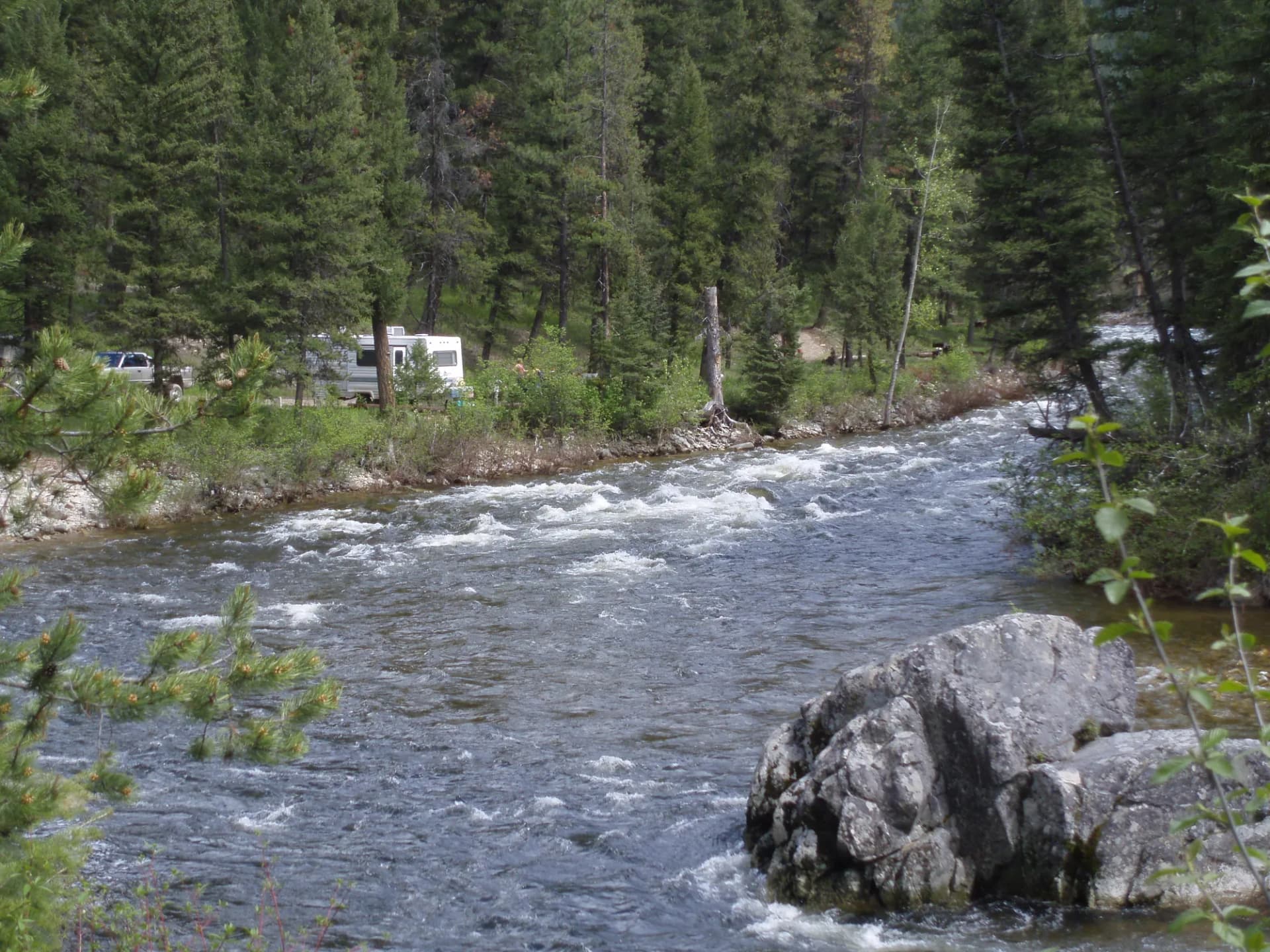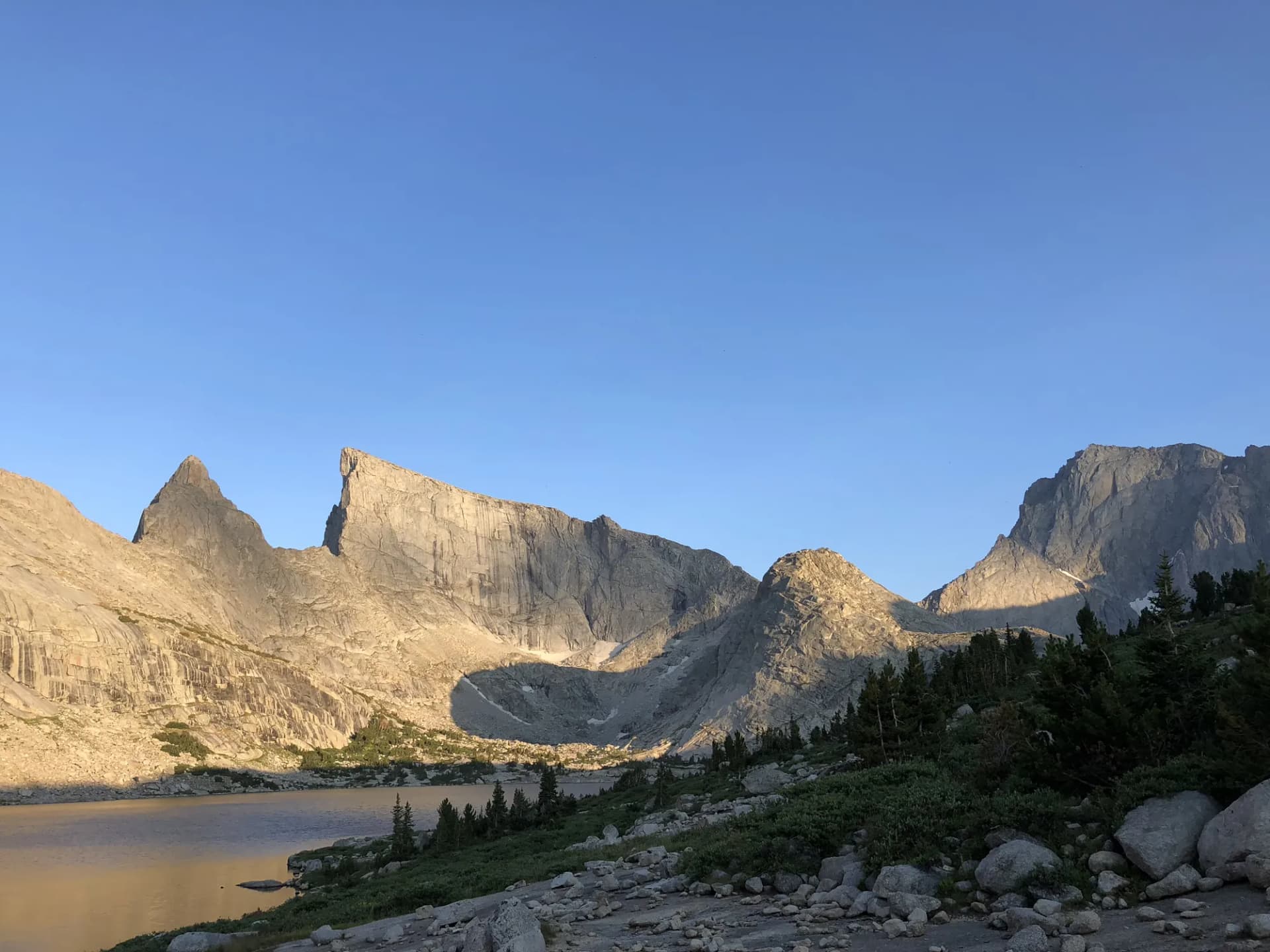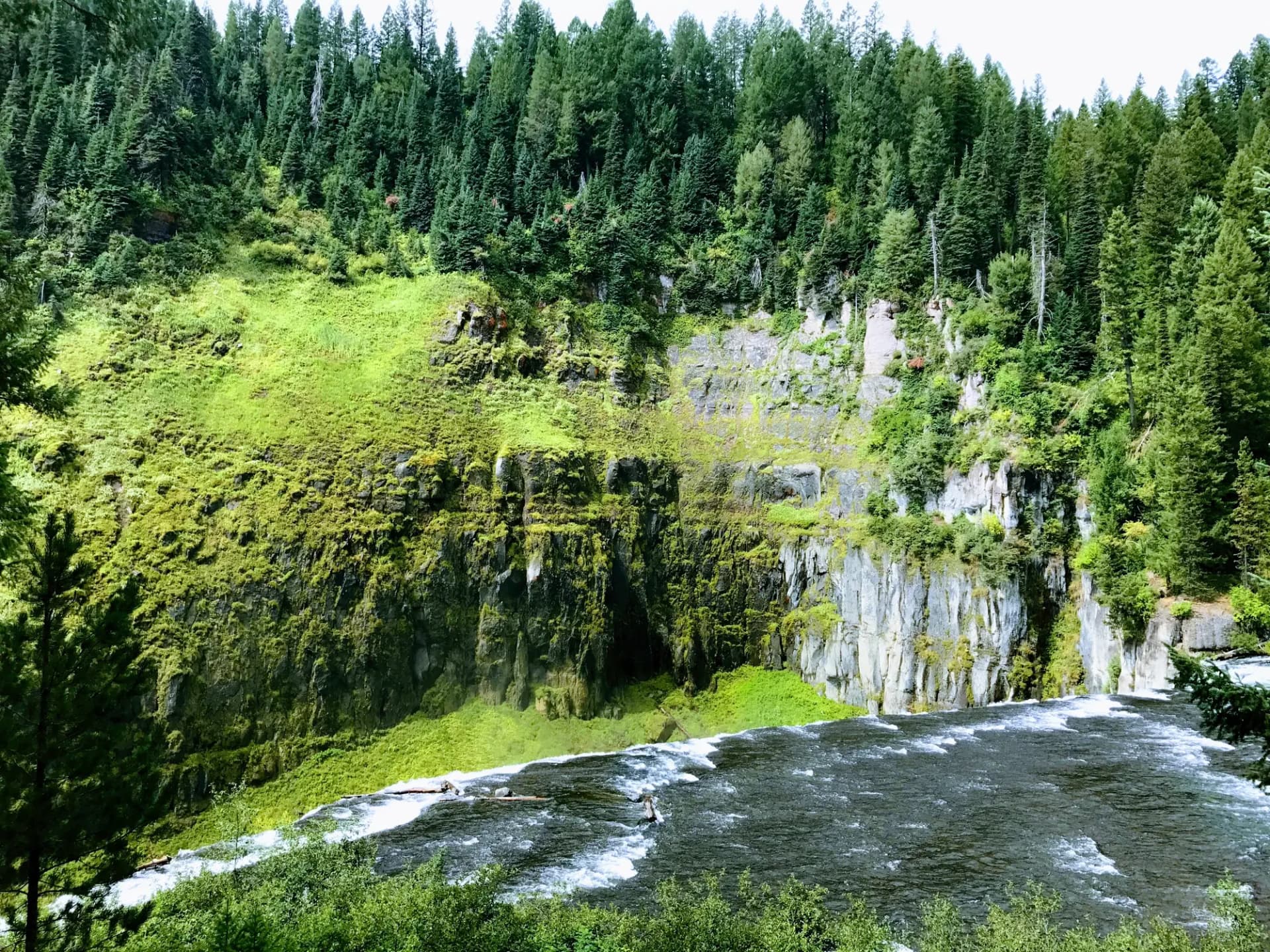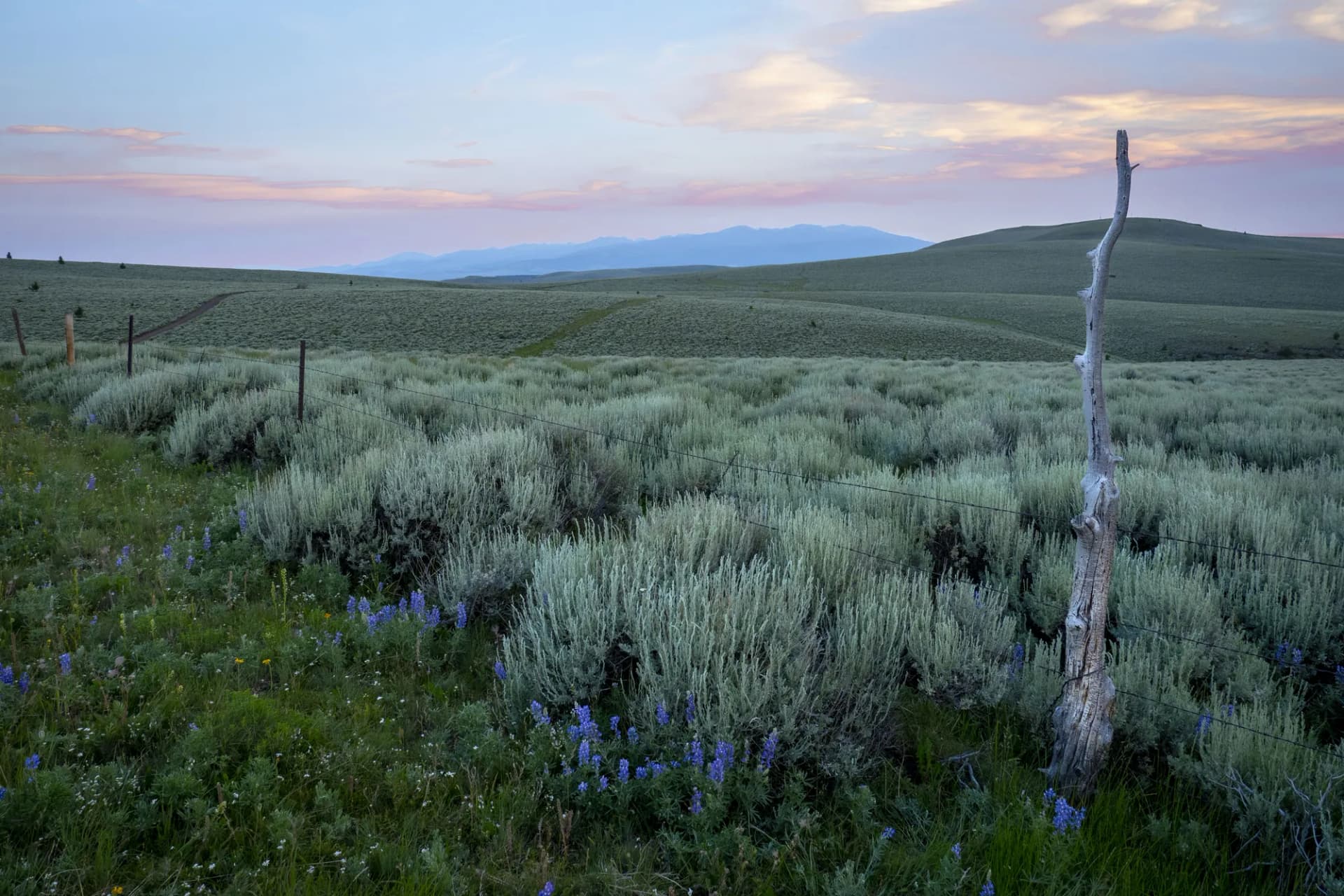
Beaverhead-Deerlodge National Forest covers more land than any other national forest in Montana, spreading across 3.35 million acres of the state's southwest corner in an irregular, complex patchwork of mountain ranges, river valleys, and high plains. Its awkward name reflects a 2005 administrative merger of two historically separate forests: the Beaverhead, centered on the Big Hole and Beaverhead drainages south of Butte, and the Deerlodge, which encompasses the terrain around Anaconda and the Pintler Range. The merger consolidated management but the landscape remains as varied as the two names suggest.
This is mining country as much as wilderness country. The Anaconda Smelter Stack a 585-foot brick chimney still visible from miles away stands at the edge of Anaconda, and the landscape near Butte carries the long marks of copper extraction that made this corner of Montana famous. That industrial history coexists with remarkable wilderness. Within a few miles of the smelter stack, the Anaconda-Pintler Wilderness begins, and from its high ridges the human footprint below seems very small. The forest holds this tension between history and wilderness naturally, without apology.
The Continental Divide bisects the forest for more than 100 miles. Hikers doing significant sections of the CDT through Montana will spend days on trails in this forest, climbing through the Anaconda-Pintler passes and dropping into the Big Hole country to the south. Even for hikers with no CDT ambitions, the divide trails offer some of the most consistently dramatic scenery in southern Montana's mountains.
Why Beaverhead-Deerlodge Stands Out
The Anaconda-Pintler Wilderness
The 158,000-acre Anaconda-Pintler Wilderness is the forest's crown jewel, a section of the Continental Divide between Anaconda and Wisdom that protects peaks exceeding 10,000 feet, dozens of high-country lakes, and a trail network that rewards both day hikers and multi-day backpackers. The Anaconda-Pintler Wilderness Loop is the standard introduction, a 12-mile loop that gains 2,500 feet and covers genuine wilderness terrain. The Twin Lakes Trail offers a more accessible entry into the same country.
Continental Divide Country
The Continental Divide Trail section passes through terrain that shows both the scale and the character of the Rockies in their Montana expression. The Big Hole Valley visible from the divide's high points is one of the largest undrained basins in Montana, a high-altitude grassland used by ranchers who have worked it for generations. The CDT threads the ridgelines above this valley with views that extend for 50 miles in multiple directions.
The Big Hole River Headwaters
The Big Hole River rises in the southern portions of the forest near the Idaho border and flows north through the valley before curving west toward the Clark Fork. The Big Hole Valley Trail offers low-elevation access to this iconic Montana landscape, one of the few places where the scale of a Western river valley is comprehensible from a trail.
Best Trails in Beaverhead-Deerlodge National Forest
The Anaconda-Pintler Wilderness Loop is the flagship experience, a full-day loop with serious elevation gain and genuine alpine character above 9,000 feet. For a less demanding option in similar country, Twin Lakes Trail covers seven miles and 1,600 feet to a pair of scenic lakes.
Storm Lake Trail is an 8-mile round-trip with 1,800 feet of gain that earns its moderate-hard rating with sustained climbing through forested slopes to a remote alpine lake. Gold Creek Lake Trail reaches another high-country lake through a different drainage, with 2,000 feet of gain over nine miles.
For lower-elevation walks, Big Hole Valley Trail and Moose Lake via Flint Creek offer accessible options without significant altitude commitment.
Permits and Passes
No general entry permit is required for hiking in Beaverhead-Deerlodge National Forest as of 2026. The Anaconda-Pintler Wilderness requires self-registration at trailhead registers no fee. Developed campground reservations are available through Recreation.gov. Verify current requirements with the appropriate ranger district before your trip.
America the Beautiful passes cover day-use fees at developed sites. Veterans may qualify for reduced or free fees. See the veteran benefits guide for details.
Camping
Developed campgrounds in the forest range from the well-maintained Lodgepole Campground near Anaconda to smaller, first-come sites in the Big Hole and Beaverhead drainages. Dispersed camping is permitted throughout most of the forest under standard national forest rules. The camping permit guide explains the difference between reservation systems, self-registration, and dispersed camping in national forests.
Fires may be restricted during dry conditions check current restrictions before your trip.
When to Visit
July through September is the reliable hiking window for the Anaconda-Pintler Wilderness and higher-elevation trails. Lower-elevation routes along the Big Hole River open earlier, often by May. The Big Hole Valley is also worth visiting in October for the aspen color on lower slopes. Winter brings cross-country skiing and snowmobiling opportunities at lower elevations.
Before any trip, check current road and trail conditions using the conditions-checking guide.
Getting There
Butte, Montana, is the closest gateway city, approximately 30 miles from the northern portions of the forest via I-15 and I-90. Anaconda, the gateway to the Pintler Wilderness, is about 25 miles west of Butte on MT-1. Dillon serves the southern Beaverhead country, accessed via I-15 south from Butte.
Practical Tips
Bear spray is strongly recommended throughout the backcountry. The forest hosts both grizzly and black bears. Water from streams requires treatment. Afternoon thunderstorms are common in July and August on exposed ridgelines.
The Anaconda-Pintler passes can hold snow into July in heavy years check conditions with the Wisdom Ranger District before attempting the higher loops early in the season.
Planning Your Trip
First-time visitors to Beaverhead-Deerlodge often base in Butte or Anaconda, both of which have hotels, gear shops, and restaurants. A three-day itinerary might include a day on the Anaconda-Pintler Loop, a day on Twin Lakes, and a half-day fishing the Big Hole River. For more information on what distinguishes a national forest from a national park, see our national forest vs. national park guide.