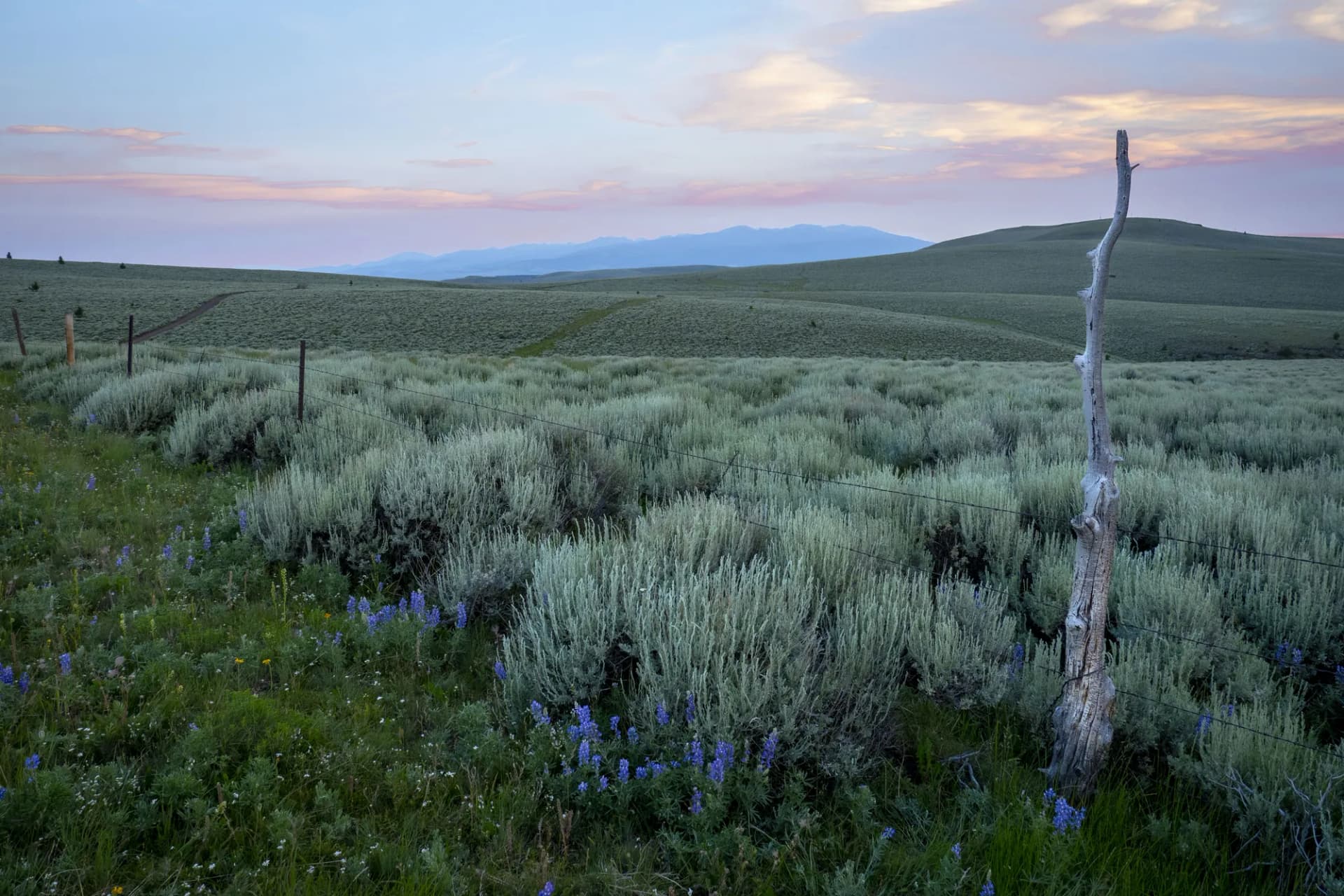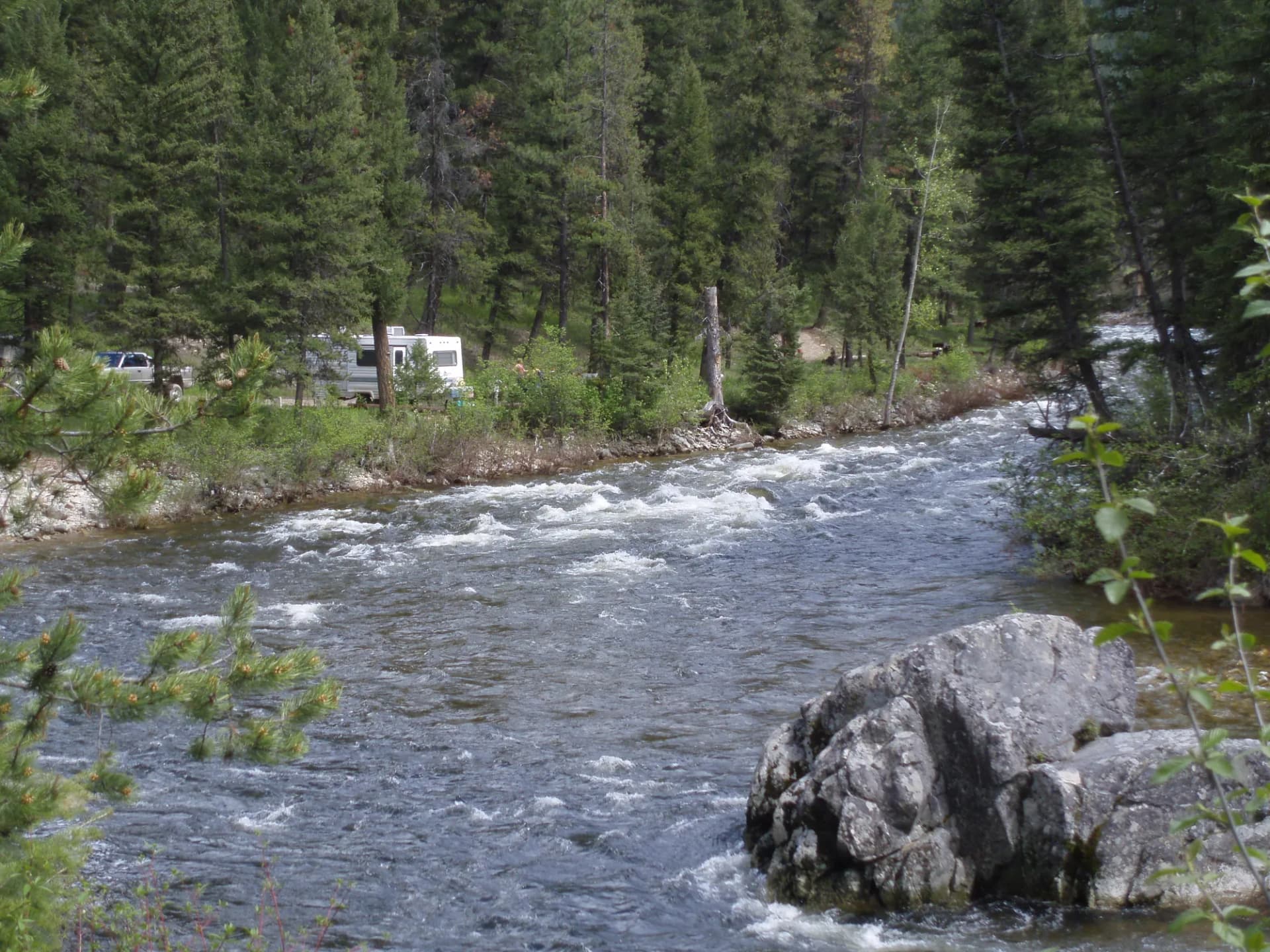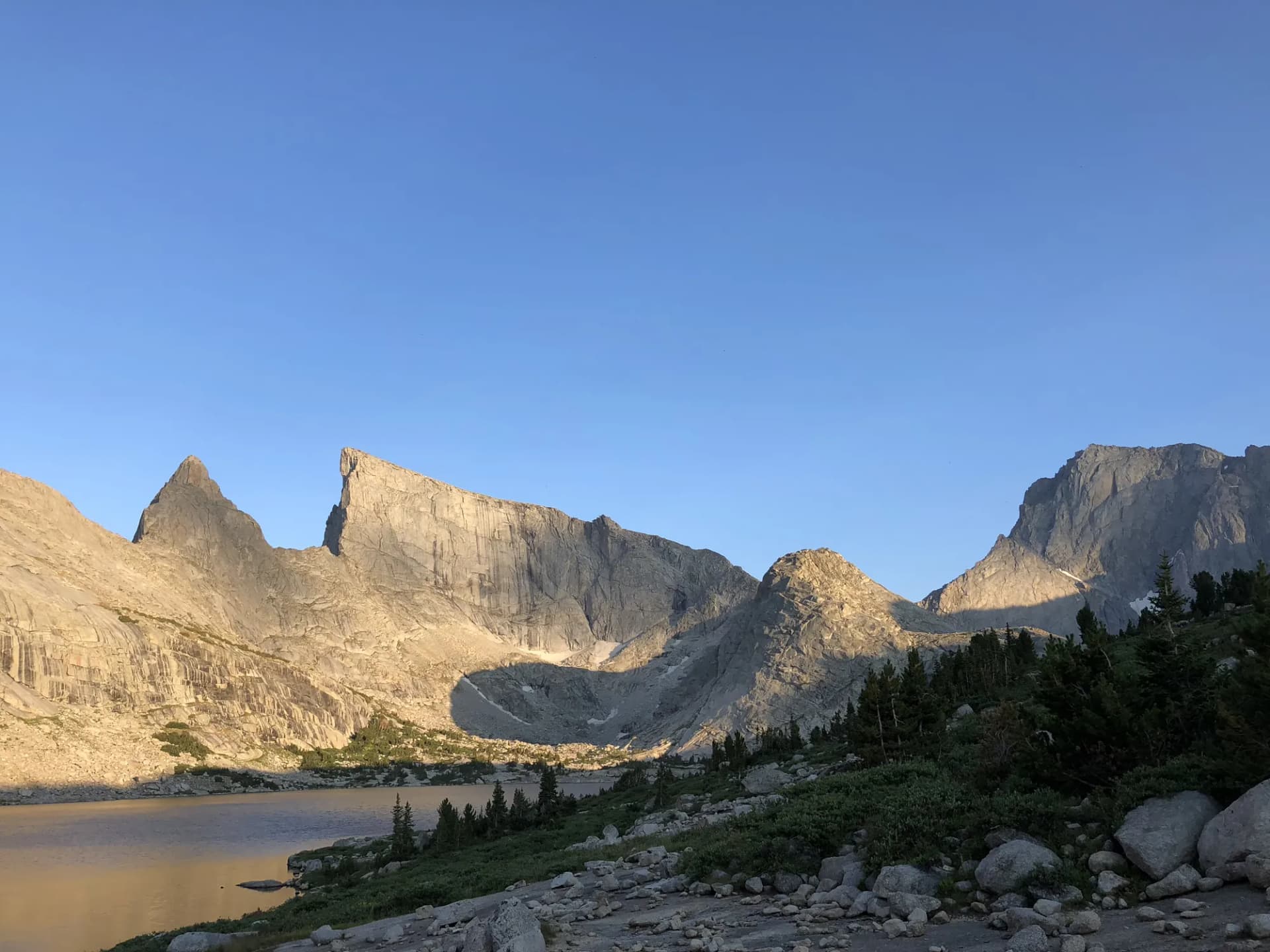
Caribou-Targhee National Forest stretches across three million acres of eastern Idaho and a portion of western Wyoming, encompassing a remarkable diversity of terrain from the high volcanic plateaus of the Island Park area to the rugged granite walls of the Teton Range's west slope. The forest is named for two predecessor units: the Targhee National Forest, named for a Bannock chief, and the Caribou National Forest to the south. Together they form one of the largest national forests in the region by acreage.
The west Teton corridor is the feature that draws most long-distance visitors. While Grand Teton National Park dominates the eastern side of the range, the Caribou-Targhee side offers comparable mountain scenery through the Jedediah Smith Wilderness, with quieter trailheads, no entrance fees, and dispersed camping options that the national park cannot provide. Teton Canyon leads to Alaska Basin, a high-alpine wonderland of meadows, tarns, and Continental Divide views that rivals anything accessible from the park's more famous east-side trails.
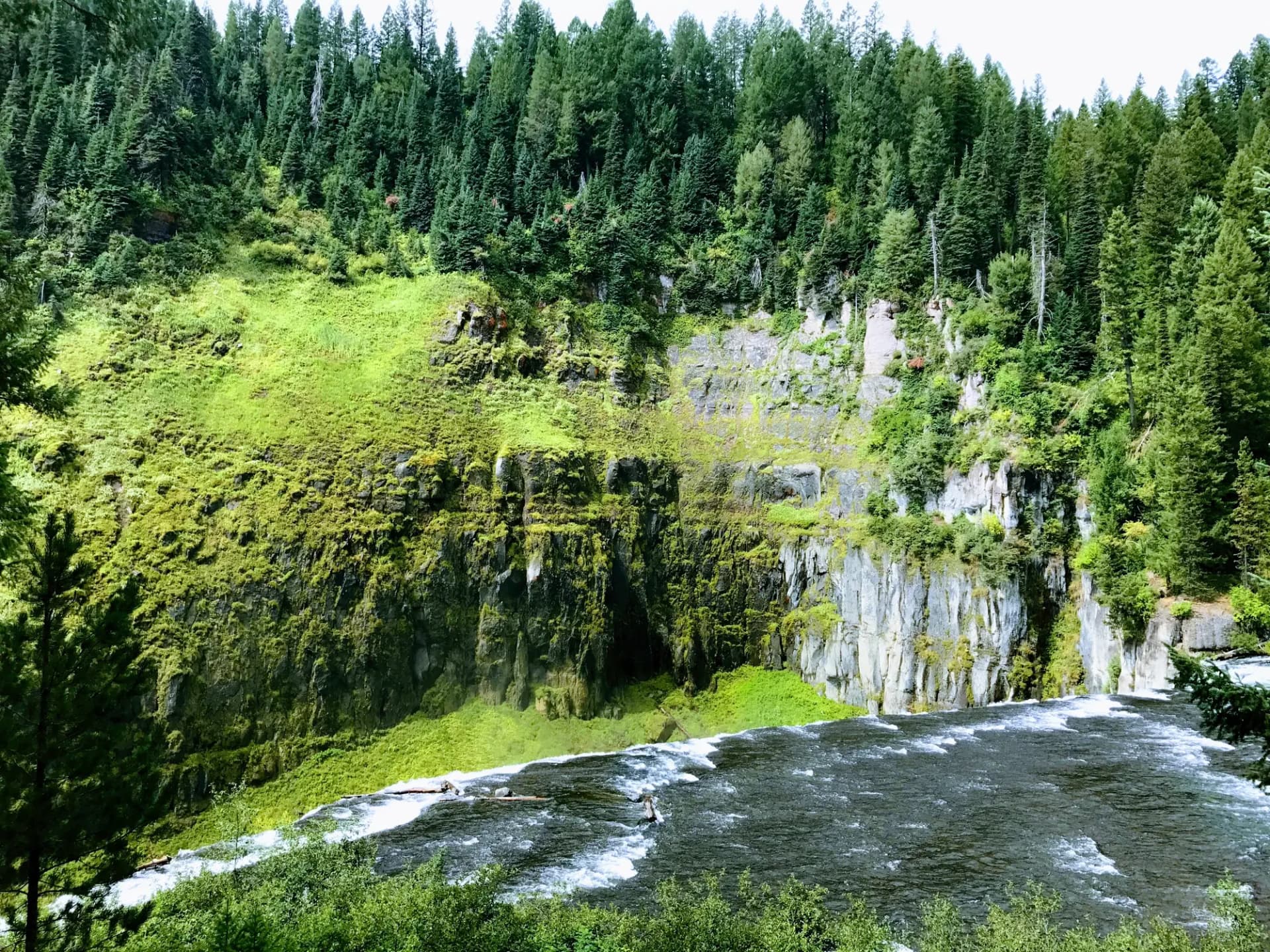
To the north and west, the forest transitions to the volcanic plateau of the Island Park area, where Henry's Fork of the Snake River emerges from Big Springs and flows through world-class fly fishing water. Mesa Falls, on the North Fork of the Henry's Fork, is one of the most impressive waterfalls in the Intermountain West and one of the few large waterfalls in Idaho to remain undisturbed by hydroelectric development.
Why Caribou-Targhee Stands Out
The West Teton Alternative
The Teton Range is world-famous, but most visitors experience it from the crowded east side via Grand Teton National Park. The Caribou-Targhee side of the Tetons offers the same granite peaks and dramatic vertical relief with far fewer people and no entrance fee. The Jedediah Smith Wilderness, which protects the Idaho side of the Teton crest, has no permit system as of 2026 and sees a fraction of the visitation of the national park's equivalent terrain. Teton Canyon is the primary access corridor, and the trail to Alaska Basin is one of the finest day hikes in the entire Greater Yellowstone Ecosystem.
Mesa Falls and the Henry's Fork
Mesa Falls is unusual in the American West: a large, powerful waterfall (Upper Mesa Falls drops 114 feet, Lower Mesa Falls 65 feet) that has not been dammed, diverted, or otherwise modified since the area was protected. The Mesa Falls Scenic Area is accessible by a paved road and a short trail, making it one of the most accessible spectacular natural features in the forest. Henry's Fork below the falls is legendary among fly anglers as one of the most challenging and rewarding freestone trout streams in the country.
Wildlife Diversity
The forest sits within the Greater Yellowstone Ecosystem, the largest mostly intact temperate ecosystem in the Northern Hemisphere. This translates to wildlife encounters that are rare in most other parts of the country. Moose are common near riparian areas throughout the forest. Grizzly bears inhabit the Teton corridor and the forest's northern sections. The elk herd that summers in the forest is one of the largest in the region, drawing hunters and wildlife viewers in roughly equal numbers during the September and October seasons.
Best Trails in Caribou-Targhee National Forest
Teton Canyon to Alaska Basin is the premier day hike in the forest, covering 13 miles round-trip with 3,000 feet of gain to a high-alpine basin straddling the Teton Divide. The route passes through the Jedediah Smith Wilderness and terminates in a landscape of tarns, wildflower meadows, and direct views of the Teton summits. This is one of the best hikes in all of Idaho.
Jedediah Smith Wilderness Loop is an 8-mile circuit through the wilderness core, offering a backcountry experience with less total distance than the Alaska Basin route. The loop passes through high meadows and open forest with consistent mountain views.
Palisades Lake Trail ventures into the southern portion of the forest toward the Palisades Reservoir, climbing 12 miles round-trip and 2,100 feet to an alpine lake above the reservoir. The southern Caribou section is less visited than the Teton corridor and offers a distinctly different landscape.
Upper Mesa Falls Scenic Trail is a 1.5-mile round-trip walk to a viewpoint above the Upper Mesa Falls plunge pool. The trail is essentially flat and paved in sections, making it one of the most accessible natural attractions in eastern Idaho.
For shorter options near Driggs, Garns Mountain Loop covers 8.5 miles with 1,800 feet of gain through open terrain with broad views of the Teton Valley.
Permits and Passes
No permit is required for day hiking or overnight camping in the Jedediah Smith Wilderness or elsewhere in the forest as of 2026. Developed campground sites require a fee (varies by location, as of 2026). America the Beautiful passes cover day-use fees at developed recreation sites. Veterans can access the free Military Annual Pass through their benefit.
Get information on national forest camping permits if you are planning an extended backpacking trip.
Camping
Developed campgrounds are concentrated in the Teton Canyon area and the Island Park/Mesa Falls corridor. Teton Canyon Campground, adjacent to the main trailhead, is the most popular and the most practical base for Teton-side hiking. Warm River Campground to the west is a good option for visitors combining hiking with fly fishing.
Dispersed camping is permitted throughout most of the national forest outside developed areas. The Jedediah Smith Wilderness has no designated campsites; backcountry campers select their own sites following minimum-impact guidelines.
When to Visit
June through September for most hiking. Teton Canyon and the high-country routes typically open in late June. The lower-elevation trails around Warm River and the Island Park area are often accessible from late May.
Winter brings significant snowfall to the forest, particularly the Teton side. Island Park is well-known for snowmobiling and cross-country skiing from December through March.
Getting There
The Teton Valley towns of Driggs and Victor (both in Idaho) serve as the western gateway to the Teton-side trails. From Driggs, Teton Canyon Road leads east to the main trailhead in approximately 15 miles. From Jackson, Wyoming, crossing Teton Pass on Highway 22 takes approximately 1 hour to Driggs.
The Mesa Falls area is accessed from Ashton, Idaho, via Highway 20 and the Mesa Falls Scenic Byway. From Idaho Falls, Ashton is approximately 1 hour north.
Practical Tips
Grizzly bears are present in the Teton corridor. The USFS recommends carrying bear spray and traveling in groups in this area. Consult current USFS and Idaho Fish and Game guidance on bear activity before visiting. Bear canisters are strongly recommended for overnight backcountry trips.
Cell service is limited near Driggs and Victor and essentially absent on Teton Canyon Road and above. Download offline maps before leaving town.
Check conditions before your visit through the Driggs/Teton Basin Ranger District and NOAA weather for Teton Valley. Teton Pass (on the Wyoming side) can close due to avalanche conditions in winter and spring.
Planning Your Trip
The Driggs Ranger District office can provide current conditions, maps, and trip planning guidance for the Teton-side of the forest. For the Island Park area, the Island Park Ranger District is the primary contact. Both can be reached through the Caribou-Targhee National Forest website.
Understanding the differences between national forests and national parks is particularly relevant here: many first-time visitors don't realize that the Idaho side of the Tetons is national forest land, not national park, with different regulations and no entrance fee.