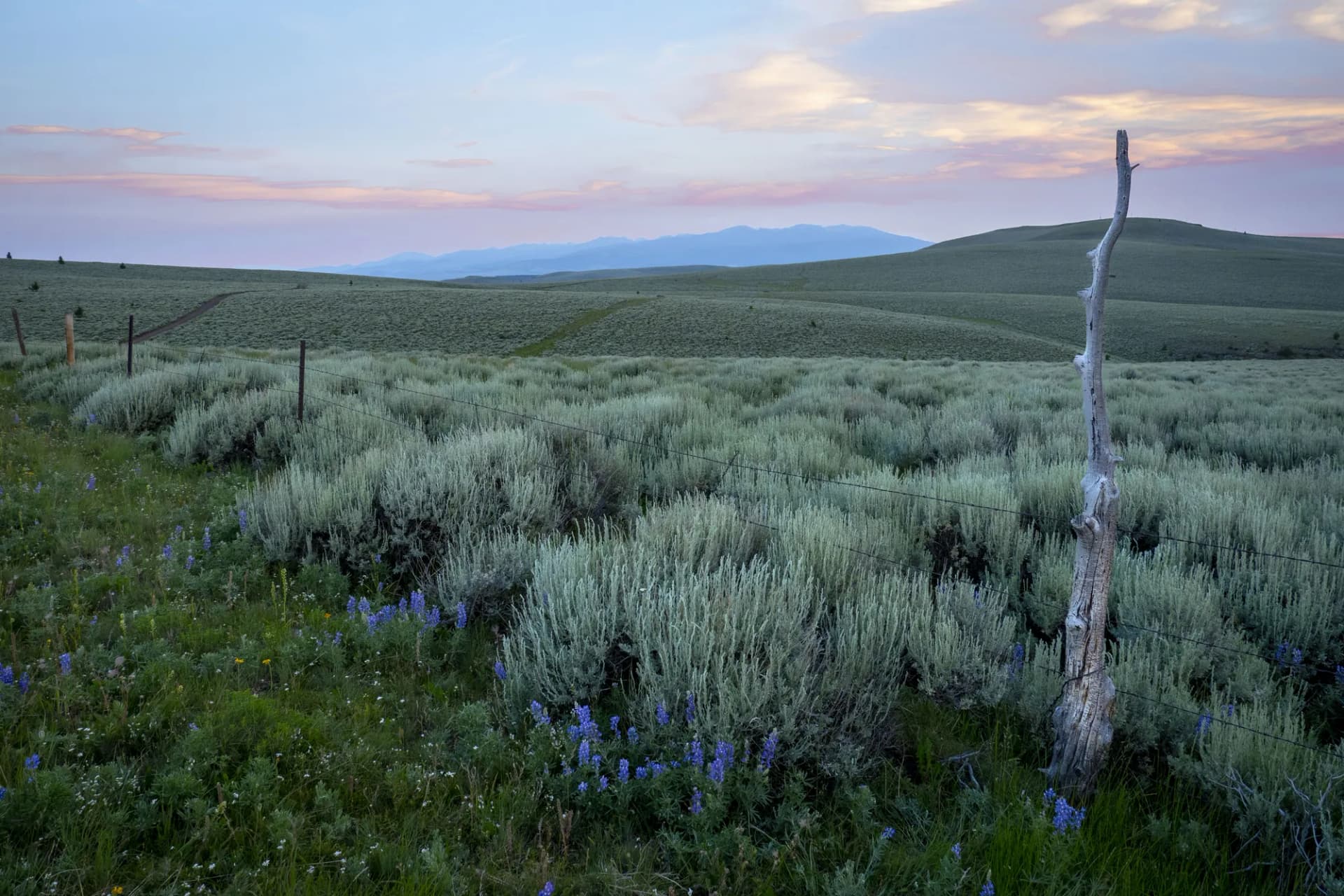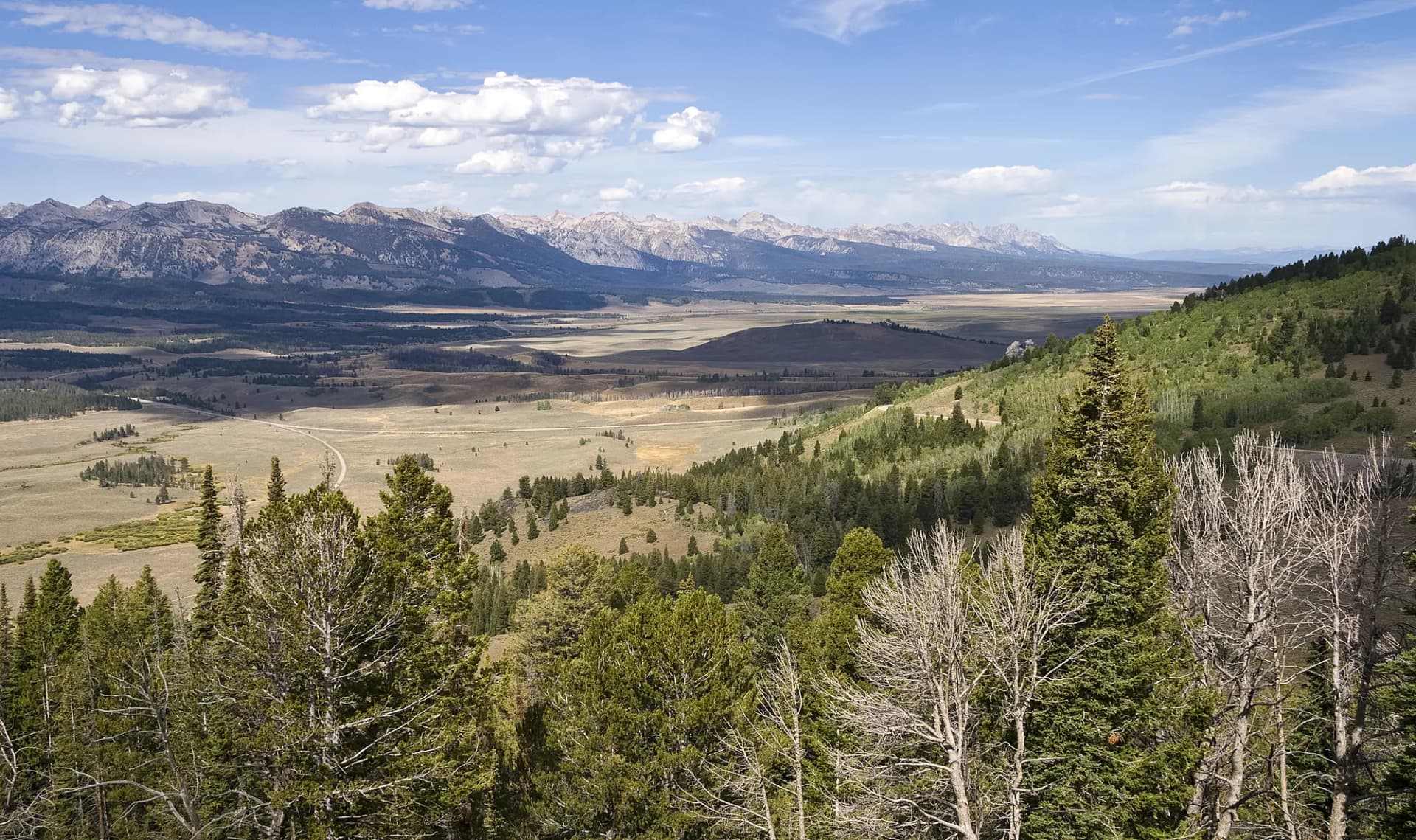
The Sawtooth National Forest rises from the high desert of central Idaho into one of the most dramatic mountain landscapes in the American West. More than 2.1 million acres of jagged granite spires, deep river valleys, and high alpine basins stretch across the center of the state, anchored by the Sawtooth Wilderness and its 300-plus alpine lakes. The town of Stanley, population roughly 60 year-round residents, sits at the heart of the forest and serves as the primary base for visitors coming to hike, fish, and backpack.
The Sawtooths are not a gentle range. Peaks rise sharply from valley floors, trails gain elevation quickly, and afternoon thunderstorms are a routine summer feature. That intensity is exactly what draws experienced hikers from across the Pacific Northwest and Intermountain West. The forest contains three designated wilderness areas: the Sawtooth Wilderness, the White Cloud Wilderness, and the Cecil D. Andrus-White Clouds Wilderness (designated in 2015), together covering more than 400,000 acres of protected backcountry.
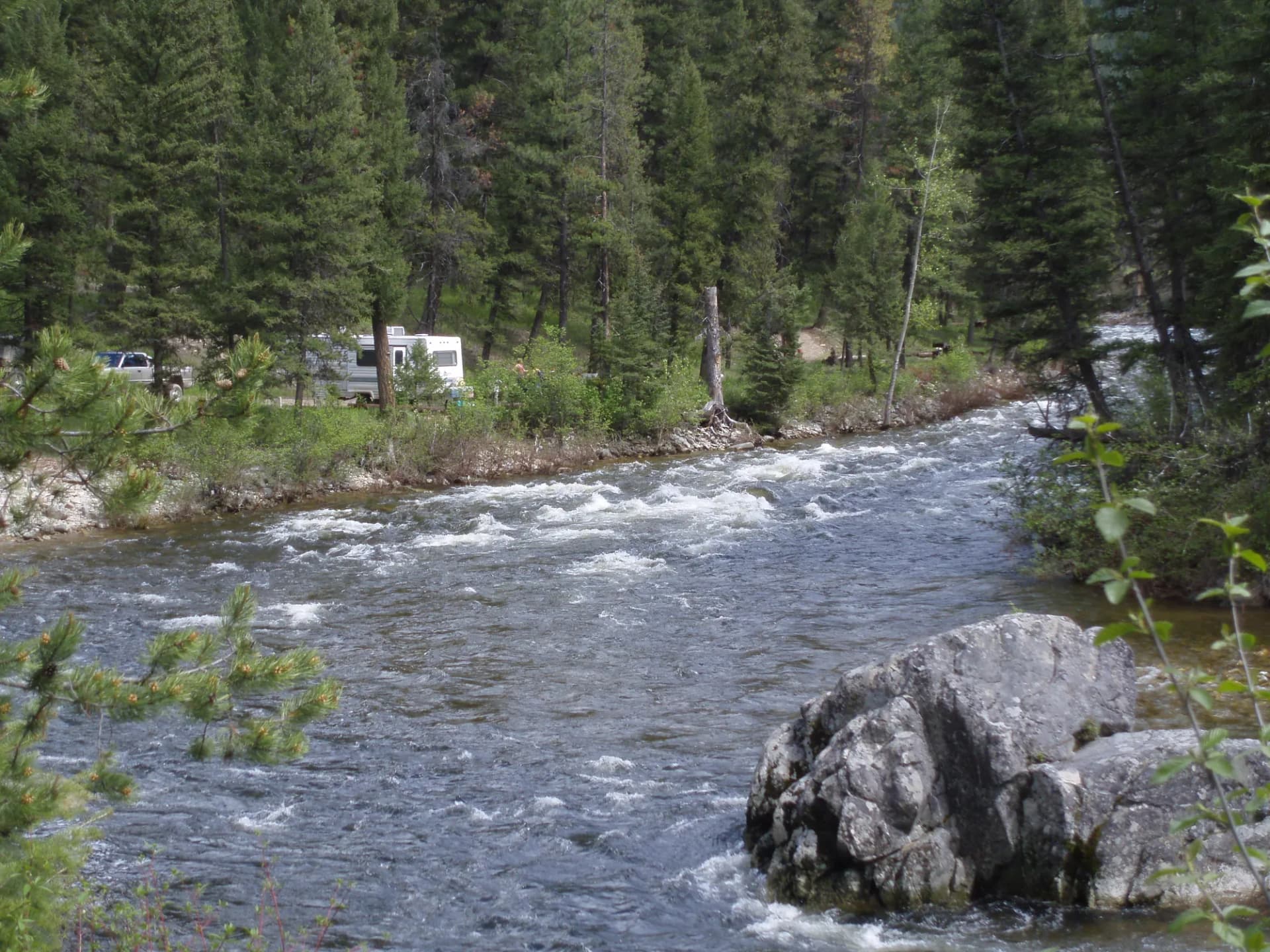
The Salmon River originates in these mountains, flowing east and eventually north through the famous River of No Return corridor. The forest sits at the headwaters of four major Idaho river systems, making water a constant presence whether you're hiking beside alpine streams, fishing classic trout water, or filtering from a backcountry lake.
Why Sawtooth Stands Out
Alpine Lake Density
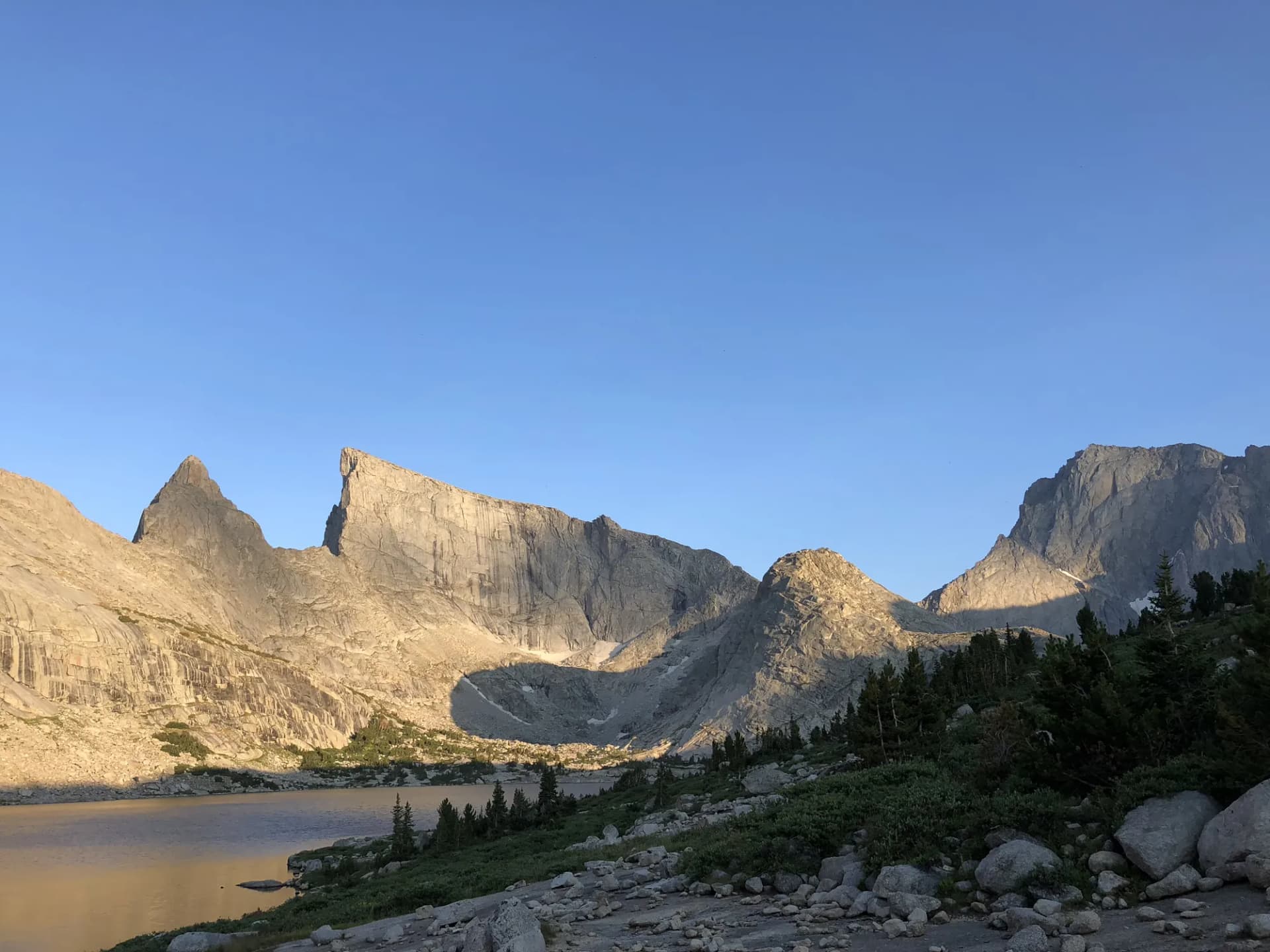
Few forests in the lower 48 pack as many high-quality alpine lakes into a comparable area. The Sawtooth Wilderness alone contains more than 300 lakes, many reachable by day hike, others requiring multi-day approaches. Sawtooth Lake, Alice Lake, Baron Lakes, and the Twin Lakes chain are among the best-known, but dozens of unnamed or lightly visited lakes reward hikers willing to read a topo map and push off the main corridors. Water clarity in these granite-basin lakes is exceptional, and the surrounding scenery consistently delivers the kind of views people travel long distances to find.
The Redfish Lake Corridor
Redfish Lake sits at 6,550 feet elevation and reflects the jagged Sawtooth peaks directly to its south. The lake is accessible by car, making it a natural gathering point for visitors who want front-country scenery without a long approach hike. From Redfish Lake Lodge, trails extend in multiple directions, including the full Redfish Lake Loop and longer routes climbing toward Bench Lakes and the Alice-Toxaway Loop. The sockeye salmon that once returned to Redfish Lake in the hundreds of thousands are now the subject of recovery efforts, with small numbers returning each year.
Geological Drama
The Sawtooth Range was carved by Pleistocene glaciers cutting through Precambrian and Cretaceous granitic rock, producing the characteristic serrated skyline that gives the range its name. The White Cloud Peaks to the east, sometimes overlooked by visitors focused on the Sawtooths, offer equally dramatic terrain with fewer crowds. Castle Peak (11,815 feet), the highest point in the White Clouds, rises above Boulder Chain Lakes on one of the finest backpacking routes in Idaho.
Best Trails in Sawtooth National Forest
The forest offers trails across a wide range of distances and difficulty levels. Most high-country routes require July through September access due to snowpack.
Sawtooth Lake Trail covers 10 miles round-trip with 1,900 feet of elevation gain to one of the largest alpine lakes in the Sawtooths. The route from Iron Creek Trailhead is the most popular in the forest, and for good reason: the lake sits directly below the sheer north face of Mount Regan and delivers views that reward the moderate climb. Expect company on summer weekends.
Alice Lake Trail is a 13-mile round-trip that climbs 2,600 feet to a remote alpine lake ringed by jagged peaks. The trailhead at Pettit Lake is less crowded than Iron Creek, and the upper basin includes access to Twin Lakes and the start of the Alice-Toxaway loop for backpackers wanting a multi-day route.
Thompson Peak is the hardest standard route in this guide, covering 14 miles round-trip with 4,200 feet of gain to the highest point in the Sawtooth Range at 10,751 feet. The route requires scrambling on loose talus near the summit and should be reserved for experienced hikers comfortable with route-finding above treeline.
Redfish Lake Loop offers a more accessible 9.5-mile circuit of the lake and surrounding terrain, gaining only 1,500 feet. It is one of the best options for hikers looking for big scenery without a committing approach, and the loop passes through forest, along lakeshore, and over a ridge with views back toward the Sawtooth Range.
For shorter options, Stanley Lake Inlet Trail covers just 3 miles with minimal elevation change, making it well-suited for families or hikers wanting a low-effort walk through meadows and along the inlet stream.
Permits and Passes
As of 2026, no permit is required for day hiking or overnight camping in the Sawtooth Wilderness. The Redfish Lake Recreation Area charges a $5 day-use fee for access to the lake and its immediate facilities. America the Beautiful annual passes (including the free Military Annual Pass for veterans) cover this fee.
The forest has discussed implementing a wilderness permit system for the most heavily used corridors, particularly Iron Creek and Pettit Lake trailheads. Check with the Sawtooth National Recreation Area for current requirements before visiting. Learn more about getting national forest camping permits.
Camping
Developed campgrounds cluster around the main recreation corridors near Stanley. Redfish Lake Campground is the largest and most popular, with 92 sites, flush toilets in season, and direct lake access. Reservations through Recreation.gov are strongly recommended from mid-July through August. Stanley Lake Campground offers a quieter alternative on the northwest side of the forest with 18 sites.
Dispersed camping is permitted throughout most of the national forest outside of developed recreation areas, subject to minimum distance requirements from water, trails, and roads. Backcountry campers should understand Leave No Trace principles before heading into the wilderness, particularly in the high-use lake basins where fire restrictions are common.
When to Visit
July through September is the primary hiking window. Snow can linger on passes above 9,000 feet into early July in a typical year, and high trails may require an ice axe before mid-July in heavy snow years. August offers the most reliable conditions and the warmest temperatures, though afternoon thunderstorm activity peaks in July and August.
October brings dramatic fall color, especially in the aspen groves at lower elevations, and significantly fewer visitors. Trails at lower elevations typically remain accessible into October or even early November in dry years.
Winter brings deep snow and cold to Stanley (elevation 6,260 feet), one of the coldest towns in the contiguous United States by average low temperature. Cross-country skiing and snowshoeing are possible from the developed trailheads, but conditions vary considerably.
Getting There
Stanley is the gateway town, accessible via Highway 21 from Boise (approximately 130 miles, 2.5 hours) or via Highway 75 from Twin Falls through the Wood River Valley (approximately 120 miles, 2 hours through Ketchum and Galena Summit). Both routes are scenic mountain highways with no services for long stretches.
Most trailheads require a standard passenger vehicle. A few more remote access points benefit from higher clearance, particularly early in the season before maintenance crews clear debris.
Practical Tips
Afternoon thunderstorms are common in July and August. Plan to be off exposed ridges and peaks by noon or early afternoon. Lightning in open alpine terrain is a serious hazard, and the Sawtooths offer little shelter above treeline.
Cell service in Stanley is limited and essentially absent on most trailheads and backcountry routes. Download offline maps and share your itinerary with someone before heading out. Check conditions before you go using InciWeb for fire information and NOAA for weather.
Water sources are abundant in the backcountry, but all surface water should be filtered or treated. Giardia is present in the watershed.
Bear-resistant food storage is required in some areas and strongly recommended everywhere in the wilderness. Review bear canister requirements before your trip.
The town of Stanley has limited services: a handful of restaurants, a small grocery, and a gas station. Fuel up and stock food in Ketchum or Twin Falls for longer trips.
Planning Your Trip
The Sawtooth National Recreation Area headquarters is located in Ketchum, Idaho, and staffs a visitor center with maps and current conditions. A smaller ranger station operates seasonally in Stanley. Both can provide current trail and road conditions, campfire restrictions, and permit information.
Understand the differences between national forests and national parks before your visit: the Sawtooths operate under different rules than Yellowstone or Grand Teton to the east, with more flexibility for dispersed camping and off-trail travel.
For veterans, the Military Annual Pass covers day-use fees at Redfish Lake and other recreation areas. The pass is available free to all honorably discharged veterans and requires verification of service at a federal recreation area or online through USGS.