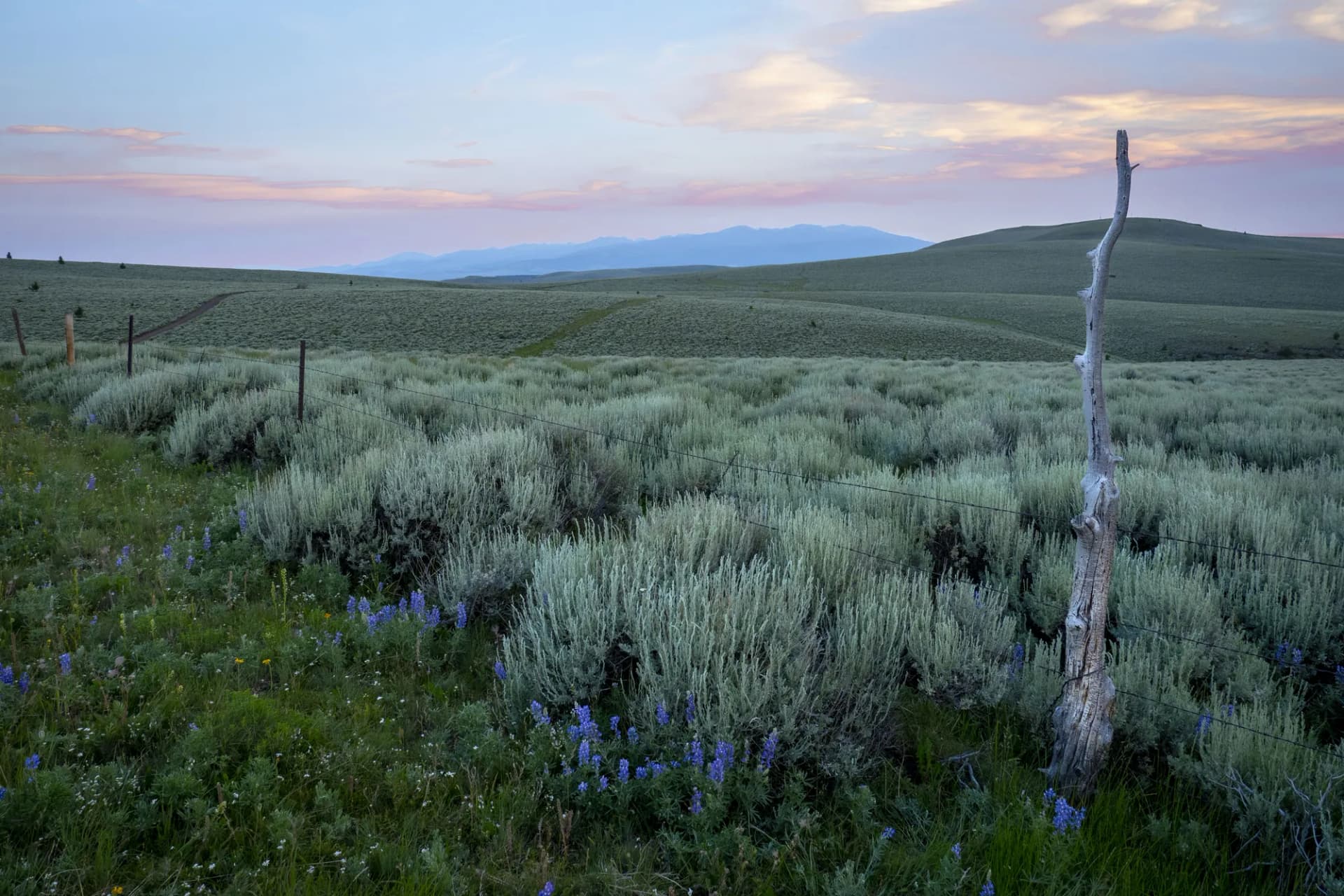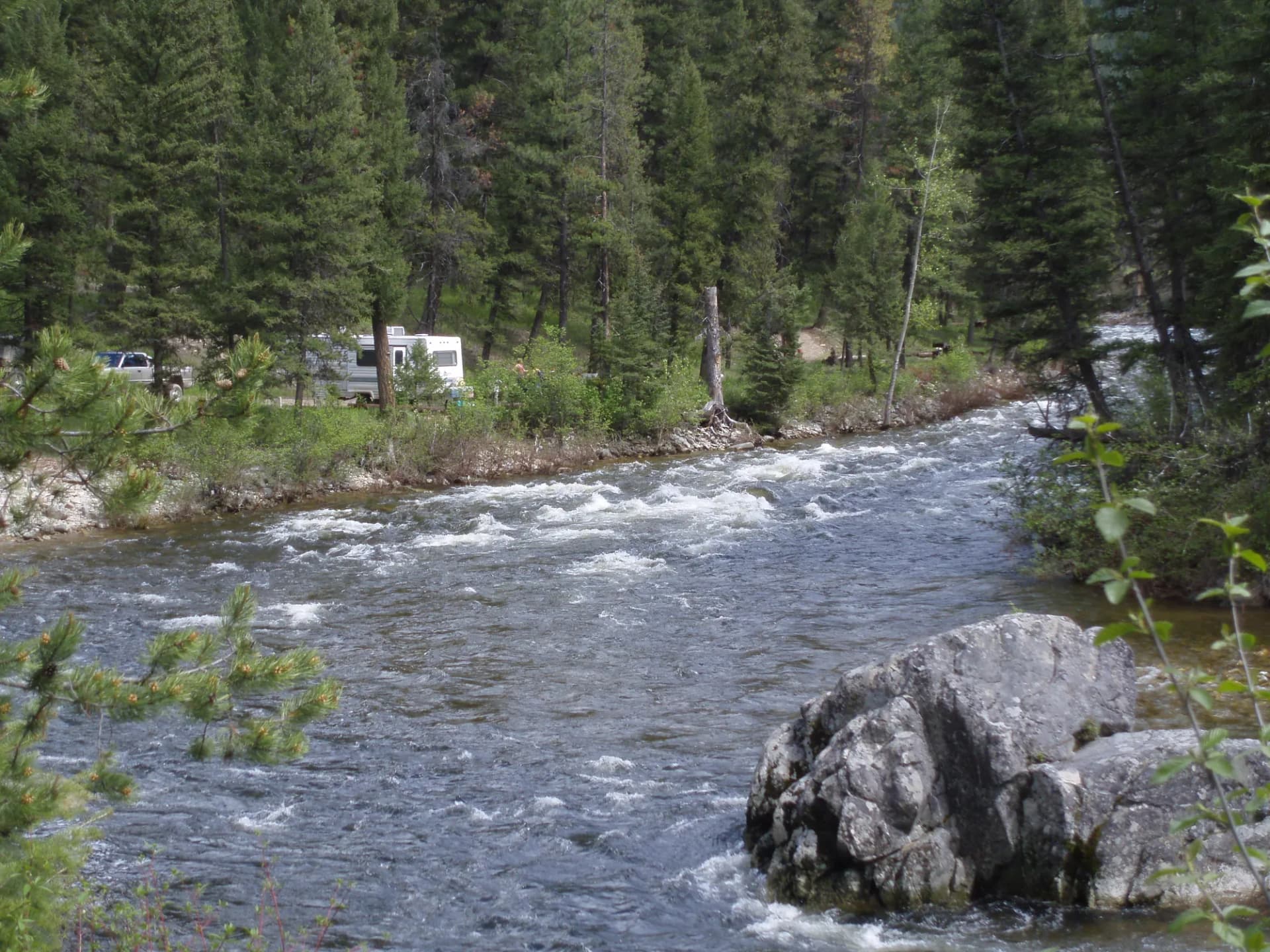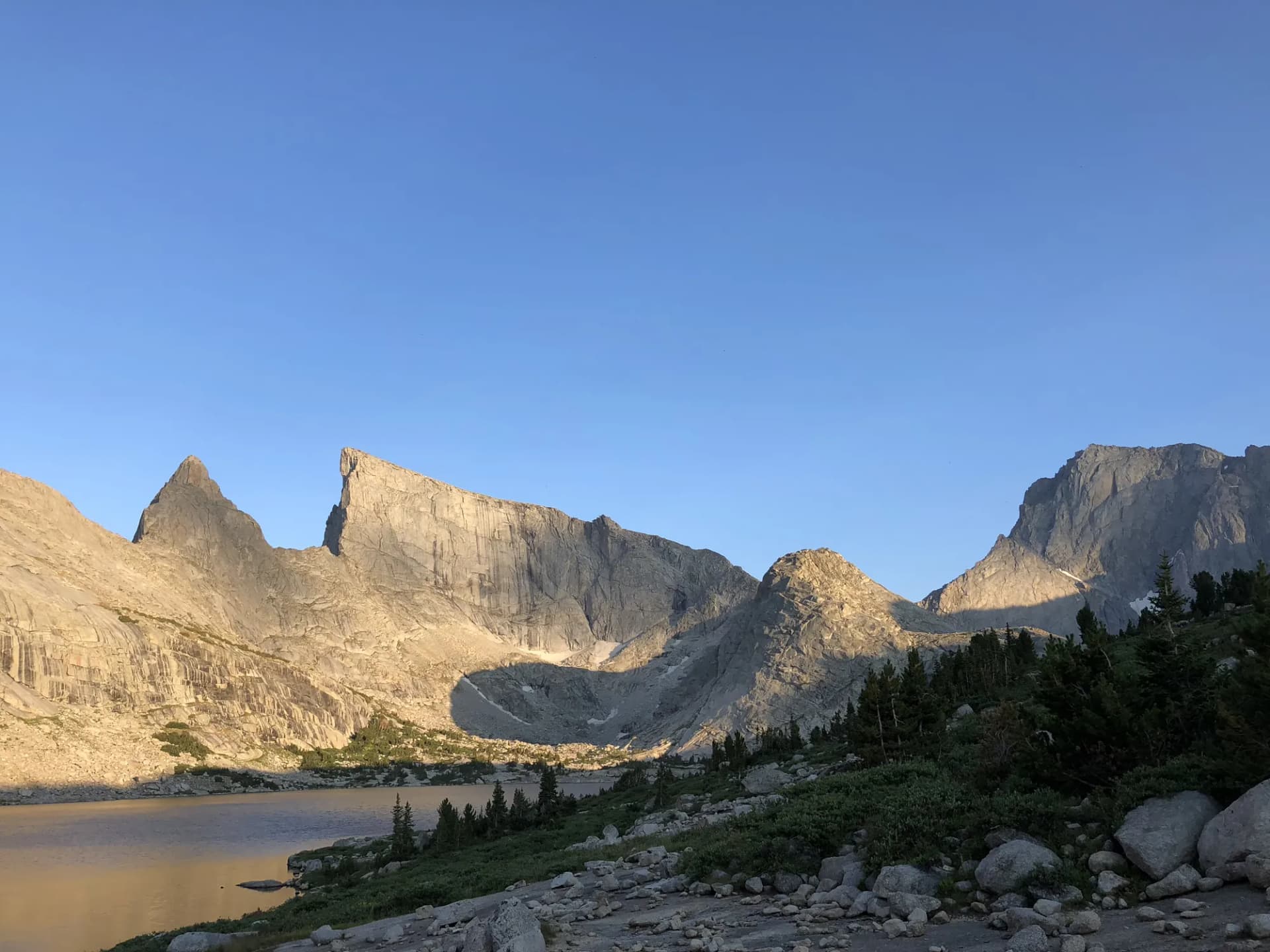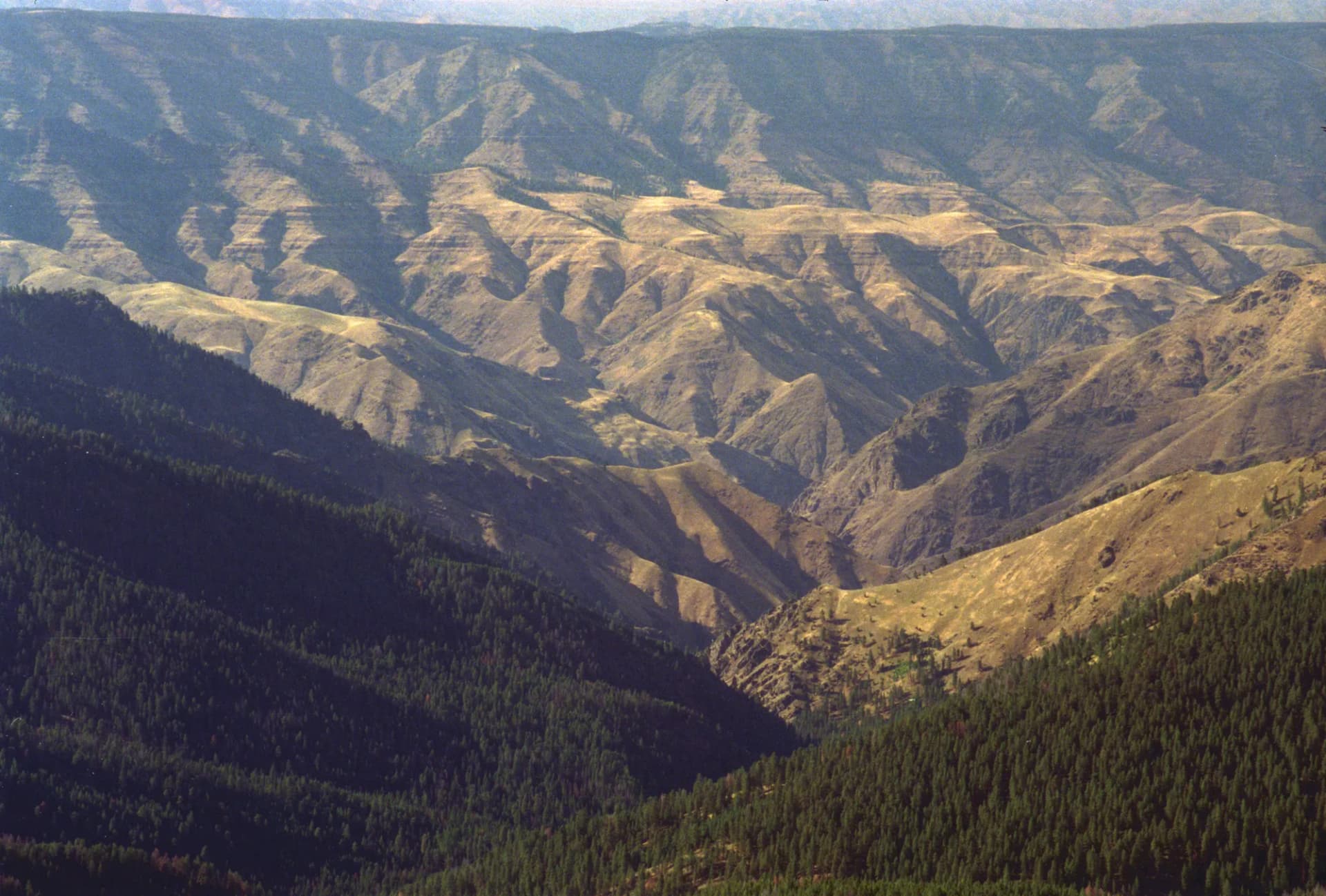
Nez Perce-Clearwater National Forest encompasses 4 million acres of some of the most rugged and remote terrain in the contiguous United States. The forest covers the northern Rocky Mountains of Idaho, from the deep canyon of the Clearwater River to the granite peaks of the Bitterroot Divide on the Montana border. Two of the country's largest designated wilderness areas, the Selway-Bitterroot and the Frank Church-River of No Return, protect much of the forest's most spectacular terrain.
The forest carries a name that acknowledges the Nez Perce people, the Nimiipuu, who have called this region home for at least 10,000 years. Their presence is woven through the landscape: in place names, in cultural sites recognized as national monuments, and in the ongoing tribal relationships with the rivers and lands that the forest encompasses. Heart of the Monster, near Kooskia, is a creation story site of profound significance to the Nez Perce and is now part of the Nez Perce National Historical Park.
Highway 12, the Lewis and Clark Highway, follows the Lochsa River through the center of the forest for nearly 100 miles, one of the longest stretches of undammed wild river in the lower 48. The drive from Kooskia to Lolo Pass on the Montana border is one of the finest scenic byways in the Pacific Northwest, and dozens of trailheads line the route.
Why Nez Perce-Clearwater Stands Out
Wilderness Scale
The Selway-Bitterroot Wilderness covers 1.3 million acres spanning Idaho and Montana, making it the fourth-largest designated wilderness in the contiguous United States. The Frank Church-River of No Return Wilderness adds another 2.3 million acres on the forest's southern edge. Together they create an almost unbroken protected corridor of more than 3.5 million acres, the kind of scale that supports wide-ranging species like wolves and mountain lions. The wilderness areas are genuinely remote: some areas require multiple days of travel to access, and resupply options in the interior are essentially nonexistent.
Ancient Forest
The western red cedar and western white pine forests along the Lochsa and Selway rivers are among the oldest and most biologically complex ecosystems in the Northern Rockies. Trees in some groves exceed 1,000 years in age. The Selway corridor in particular retains a primeval character that is increasingly rare in the West. The combination of high rainfall (by Idaho standards), mild valley temperatures, and long growing seasons produces trees of a scale uncommon outside the wet forests of the Pacific Coast.
The Selway River
The Selway is one of the few remaining wild rivers in the lower 48 that has never been dammed. The river runs 89 miles from its headwaters in the Selway-Bitterroot Wilderness to its confluence with the Lochsa at Lowell, passing through some of the most inaccessible canyon country in North America. A limited floating permit is required for the river's whitewater section, which is famous among kayakers and raft guides as one of the most demanding and rewarding commercial-free wilderness rivers in the country.
Best Trails in Nez Perce-Clearwater National Forest
Selway Crags via Ranger Creek is the premier summit hike in the forest, covering 10 miles round-trip with 3,000 feet of gain to a rocky high point above the Selway drainage. The route enters the heart of the Selway-Bitterroot Wilderness and delivers Bitterroot mountain terrain at its most dramatic.
Selway River Trail is a 9-mile out-and-back that follows the Selway River upstream from the road end at Selway Falls, offering an exceptionally beautiful riverside walk through old-growth cedar forest with minimal elevation gain.
Indian Post Office Trail climbs 7 miles round-trip and 2,200 feet to a high ridge with views of the Selway-Bitterroot divide. The trail passes a historic Nez Perce communication site on the ridge.
Bald Mountain Lookout is a strenuous 8-mile round-trip to a staffed fire lookout tower on one of the highest accessible summits in the forest, with panoramic views of the Bitterroot and Clearwater mountains.
For shorter options, Lochsa River Trail provides a 6-mile round-trip riverside walk through old-growth forest along Highway 12, and Heart of the Monster Interpretive Trail is a 0.5-mile accessible loop at a Nez Perce cultural heritage site.
Permits and Passes
Day hiking and overnight camping in the Selway-Bitterroot and Frank Church wilderness areas require no permit as of 2026. Floating the Selway River requires a launch permit obtained through a lottery process; contact the Moose Creek Ranger District for current details. Developed campground fees vary by site and season.
Learn more about getting national forest camping permits for general guidance on backcountry travel.
Camping
Wilderness Gateway Campground near Lowell is the largest and most popular campground in the forest, with 89 sites along the Lochsa/Selway confluence. It is the primary base for visitors using the Lochsa and Selway corridors. Selway Falls Campground sits at the end of the Selway road at the wilderness boundary and is small, walk-in, and exceptional.
Dispersed camping is available throughout the national forest outside developed areas. Campfire restrictions are common in summer, particularly in the Selway corridor where fire weather can be severe.
When to Visit
June through September is the primary season. High-country routes in the Selway-Bitterroot are often inaccessible before late June due to snowpack. The Lochsa River corridor at lower elevations opens in May. Fall in the cedar forests (September through October) is exceptional for color and solitude.
Spring runoff (May and June) can make river crossings on backcountry trails dangerous. Check conditions carefully before early-season backcountry visits.
Getting There
Highway 12 is the primary access route, running east from Kooskia through the Lochsa corridor to Lolo, Montana. Kooskia is approximately 2 hours east of Lewiston on Highway 12. From Missoula, Montana, the drive west to the forest is approximately 2 hours over Lolo Pass.
Practical Tips
Cell service is absent along most of Highway 12 and entirely absent in the backcountry. The forest is genuinely remote: plan for self-sufficiency, particularly on longer trips in the wilderness areas.
Bears are present throughout the forest. Follow USFS guidance on food storage. Review bear canister requirements before backcountry trips.
Check current conditions through the Lochsa Ranger District and NOAA mountain weather. River conditions on the Lochsa can change rapidly and affect roadside trailheads.
Planning Your Trip
The Lochsa Ranger District in Kooskia is the primary contact for trails along Highway 12 and the Selway corridor. The Moose Creek Ranger District manages Selway River permits and the deep wilderness areas. Contact information and current conditions are available through the Nez Perce-Clearwater National Forest website.
Veterans can access the free Military Annual Pass to cover day-use fees at developed recreation areas in the forest.
Understanding the breadth of what national forests offer is especially relevant here, where the scale of the wilderness areas and the diversity of activities (hiking, fishing, rafting, cultural heritage) represent the full range of the national forest system's mandate.